






The Breakfast Blood Sugar Dilemma
For many, especially those managing pre-diabetes or diabetes, morning is a critical time for blood sugar management. After an overnight fast, the body's response to carbohydrates can be pronounced. Many common breakfast foods—sweetened cereals, white
toast, pastries—are made from refined grains that digest quickly, leading to a rapid spike in blood glucose followed by a subsequent crash. This cycle can leave you feeling tired, hungry, and seeking more sugar. The goal is to choose a breakfast that provides sustained energy by slowing the release of sugar into the bloodstream, and that’s where the composition of a grain really matters.
Why All Eyes Are on Barley
Barley is a chewy, nutty-tasting whole grain that has been cultivated for thousands of years. While it often appears in soups and stews, its profile makes it an excellent candidate for a blood-sugar-conscious breakfast. The key to its power lies in its impressive fiber content, particularly a type of soluble fiber called beta-glucan. Barley contains more beta-glucan than any other grain. When you eat barley, this beta-glucan forms a thick, gel-like substance in your gut. This gel physically slows down digestion and the absorption of carbohydrates. The result is a more gradual increase in blood sugar and insulin levels, preventing the sharp spikes associated with other foods.
Barley vs. Oats: A Breakfast Showdown
When people think of a healthy, fibrous porridge, oats are usually the first grain that comes to mind. Oats are indeed a healthy choice, also containing beneficial beta-glucans. However, when compared directly, barley often has an edge in blood sugar management. Barley has a remarkably low glycemic index (GI), a measure of how quickly a food raises blood sugar. Hulled barley has a GI of around 25-30, while steel-cut oats are typically in the 42-55 range. Some studies have shown that barley can be significantly more effective at reducing post-meal blood sugar and insulin levels compared to oats. While oats are rich in certain minerals, barley is a fiber powerhouse, containing nearly 1.7 times more fiber than oats per serving.
Hulled vs. Pearl: Choosing Your Barley
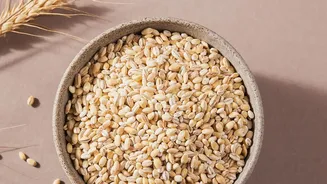
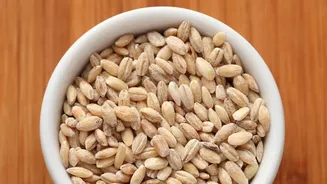
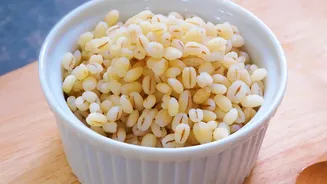
When you shop for barley, you'll typically find two main types: hulled and pearl. Hulled barley is the whole-grain version, with only the tough, inedible outer hull removed. It retains its bran and germ, making it richer in fiber, protein, and nutrients. Pearl barley has been polished to remove the bran layer, which reduces its nutrient content slightly but makes it cook faster and gives it a softer texture. For maximum blood sugar benefits, hulled barley is the superior choice because of its higher fiber content. However, if you're short on time, pearl barley is still a healthy option that provides significant fiber and is a vast improvement over refined grains.
Building the Perfect Barley Breakfast Bowl
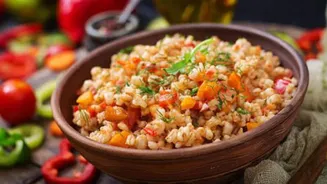
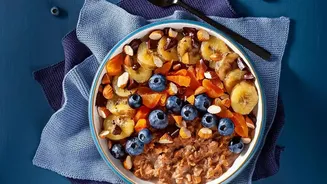
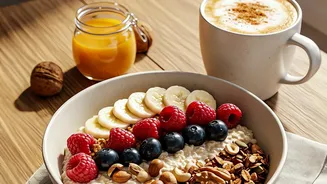
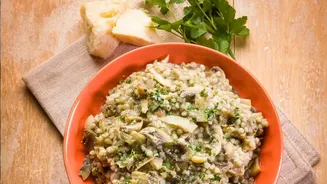
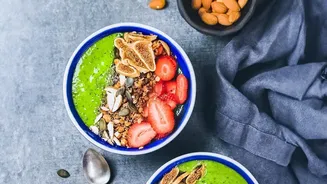
Cooking barley is simple, though it takes longer than oatmeal. A general rule is to use one part barley to three parts liquid (water, milk, or a mix). Hulled barley can take 50-60 minutes to become tender, while pearl barley takes around 40 minutes. You can cook a large batch ahead of time to use for quick breakfasts throughout the week. To build your bowl, start with a serving of cooked barley. For toppings, focus on adding protein, healthy fats, and more fiber to further support stable blood sugar. Good options include a dollop of plain Greek yogurt, a sprinkle of nuts and seeds (like almonds, chia, or flax), and low-glycemic fruits like berries. For a savory twist, top your barley with a poached egg, avocado, and spinach. The key is to avoid sugary toppings like brown sugar or large amounts of maple syrup, which would counteract the grain's benefits.