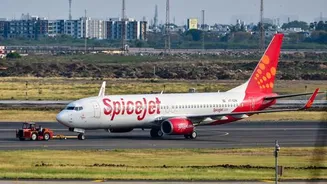








The Core Problem: A Mountain of Debt
At the heart of SpiceJet's troubles is a significant pile of debt owed to a wide range of vendors. These aren't just minor suppliers; they include critical partners like aircraft lessors, engine maintenance providers, airport operators, and fuel companies.
Recent reports indicate that the airline has struggled to clear payments, with a significant portion of invoices from small and medium enterprises remaining unpaid beyond the mandatory 45-day period. This has led some service providers to put SpiceJet on a 'cash-and-carry' basis, demanding upfront payment for services, which further strains the airline's already tight liquidity. The issue became starkly public when Dubai Airports suspended check-in services for the airline over outstanding payments to a ground-handling company, leading to flight cancellations.
The Ripple Effect: Grounded Planes and Cancelled Flights
Unpaid dues have a direct and crippling effect on operations. Aircraft lessors, who own the planes that SpiceJet flies, have initiated insolvency petitions and, in some cases, repossessed their aircraft due to payment defaults. This has resulted in a substantial portion of SpiceJet's fleet being grounded. With fewer planes available, the airline has been forced into widespread flight cancellations. On one day in November 2026, the airline reportedly cancelled over 70% of its scheduled flights across major hubs like Delhi, Mumbai, and Bengaluru, affecting thousands of passengers. The operational fleet has shrunk dramatically, with the airline at times operating only a fraction of its approved daily flights, leading to a massive decline in its domestic market share, which plummeted to just 0.6% in September 2026.
Regulatory Scrutiny and Safety Concerns
The operational chaos has not gone unnoticed. India's aviation regulator, the Directorate General of Civil Aviation (DGCA), issued a show-cause notice to SpiceJet in mid-November 2026. The notice cited a litany of concerns, including the largely grounded fleet, failure to operate approved schedules, and disruptions linked to late vendor payments flagged even by foreign regulators. The regulator has demanded a credible recovery plan. Furthermore, pilots' unions have voiced urgent safety concerns, warning that delayed salary payments for several months could lead to financial anxiety and stress among safety-critical staff, potentially impacting operational safety. These groups have called for an immediate financial and safety audit of the airline.
A Race for Survival: The Hunt for Fresh Capital
In a bid to pull itself back from the brink, SpiceJet's board has approved a plan to raise up to ₹5,500 crore. The airline's management has stated that this capital is crucial to shore up its balance sheet, fund fleet expansion, meet operational requirements, and restore its network. The company is in discussions with potential new investors to secure the funds needed for a revival. However, this is not the first time the airline has sought emergency funding, having raised significant capital in previous years only to find itself back in financial distress. With a loan proposal reportedly declined by a major bank and executives warning of a shutdown if funds don't materialize quickly, the success of this fundraising effort is seen as critical for the airline's survival.