

What Is This Green Powder, Anyway?
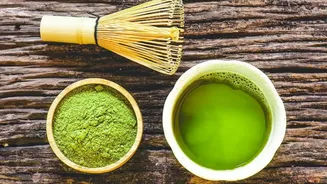
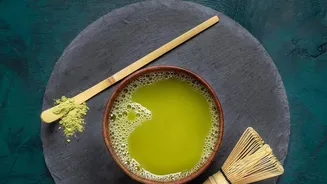
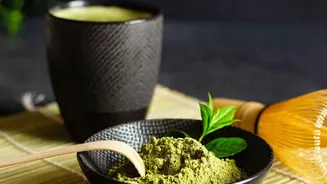
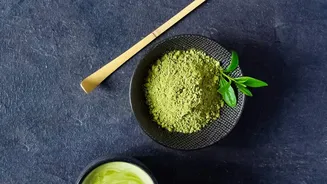
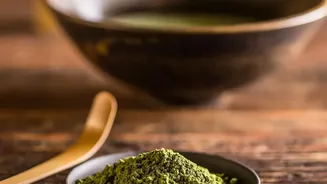
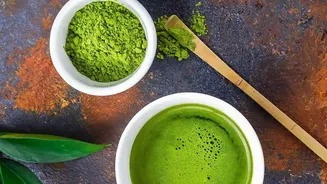
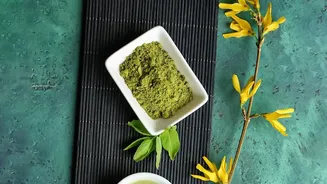
Matcha is often called powdered green tea, but that’s only half the story. Unlike regular green tea, where leaves are steeped in water, matcha is made from whole tea leaves ground into a fine powder. These tea plants, known as Camellia sinensis, are grown
in the shade for several weeks before harvest. This unique process boosts their chlorophyll content, giving matcha its brilliant green colour, and increases the concentration of an important amino acid called L-theanine. When you drink matcha, you are consuming the entire leaf, which means you get a more potent dose of its nutrients compared to traditional brewed teas. This special cultivation and preparation is why it often carries a premium price tag.
The Promise of 'Calm-Alertness'
One of matcha's most celebrated benefits is the feeling of “calm alertness” it provides. This is thanks to its unique combination of caffeine and L-theanine. While a typical serving of matcha has less caffeine than a standard cup of coffee, it’s the synergy with L-theanine that makes the difference. L-theanine is known to promote relaxation by increasing alpha brain waves—the same ones associated with meditation—without causing drowsiness. When paired with caffeine, it smooths out the jittery rush some people get from coffee, leading to a more sustained, focused energy that can last for hours without the dreaded crash. This effect, backed by small but consistent scientific studies, is a major reason people are swapping their espresso for a whisked bowl of matcha to power through their workday.
Antioxidants and Other Health Halos
Matcha is packed with antioxidants, particularly catechins. The most famous of these is epigallocatechin gallate (EGCG), which is studied for its potential to protect cells from damage and reduce inflammation. You may have seen the claim that matcha has 137 times more antioxidants than regular green tea. This statistic came from a single study comparing matcha to a specific low-grade bagged tea. A more realistic estimate is that matcha has roughly two to three times the antioxidant power of a standard cup of brewed green tea. While claims about matcha boosting metabolism for significant weight loss are largely overstated, some studies on green tea extracts suggest a modest benefit. The compounds in matcha may also contribute to heart health by helping lower bad cholesterol and blood pressure.
India's Matcha Moment: A Trend of Curiosity
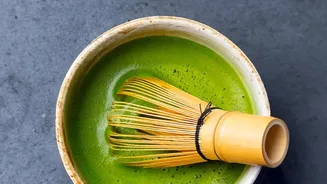
The headline is right: the data in India points to a wave of curiosity. Google Trends data from the past year shows a massive spike in searches like "how to make matcha" (up 1,300%) and "matcha health" (up 1,000%). People are asking foundational questions: "what is matcha?" and "what does it taste like?". This suggests that while matcha is visible in urban cafes, it's still in an introductory phase for most consumers. The interest is moving from just ordering a latte to trying to understand the ritual, with searches for "matcha whisk" and "matcha bowl" also rising. This shift from passive consumption to active preparation signals that some are trying to build a routine, but the widespread adoption seen with chai is still a long way off. It's a trend fueled by wellness culture, global exposure, and aesthetic appeal, especially among younger, urban audiences.
Can It Compete with Masala Chai?
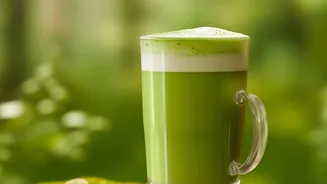
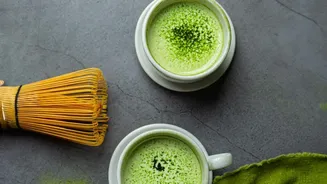
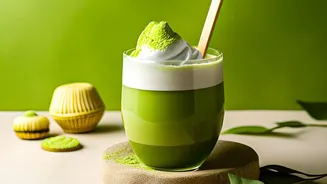
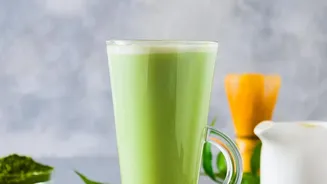
In a country where masala chai is an emotion—a ritual of comfort, hospitality, and daily routine—matcha plays a very different role. Chai is a social, warming, and deeply ingrained cultural habit. Matcha, for now, is largely a functional and aspirational choice. It’s seen as a wellness tool, a mindful morning ritual, or an aesthetic statement. Indians are also giving it a local twist, with searches for "mango matcha" and "strawberry matcha" growing, showing a desire to adapt the flavour to a familiar palate. It's unlikely that matcha will ever replace chai's place in the Indian heart. Instead, it seems to be carving out its own niche as a modern, health-conscious alternative for those looking for a different kind of buzz.