






An Evolution from a Strong Foundation
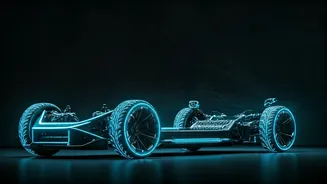
Hyundai's current success is built on its Electric-Global Modular Platform (E-GMP), the advanced foundation for the Ioniq 5, Ioniq 6, and Kia's EV6. This platform established Hyundai as a leader, introducing 800-volt architecture for ultra-fast charging
and enabling spacious, flat-floor interiors. However, as the EV market matures, the race for efficiency and scale intensifies. This is where the IMA platform comes in. Described by Hyundai executives not as a revolution but a "huge evolution," the IMA builds upon the strengths of E-GMP while focusing on optimisation and cost-effectiveness. It's the core of the brand's 'Hyundai Motor Way' strategy, which aims to sell nearly two million EVs annually by 2030.
The Core Idea: Radical Standardization
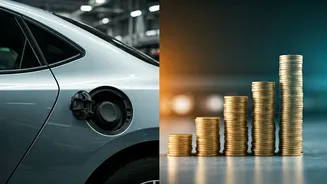
The fundamental difference between E-GMP and IMA is standardization. While E-GMP is flexible, IMA takes it a step further by creating a shared system of core components. This means standardizing parts that are usually different for each model, such as motors and battery packs. Under the IMA system, Hyundai plans to use just five standard types of electric motors to power a wide variety of vehicles. Similarly, the battery system will be modular, allowing standardized cell-to-pack units to be fitted flexibly across different models, from small cars to large SUVs. This move is designed to slash development complexity and reduce costs through economies of scale.
Benefits for the Buyer
For consumers, this engineering strategy translates into tangible benefits. The increased efficiency and cost savings from standardization are expected to make Hyundai's future EVs more affordable. The IMA will also incorporate next-generation battery technology, including cell-to-pack systems that improve energy density. This not only helps reduce costs but also promises to shorten charging times and potentially increase driving range by a significant margin. Furthermore, the platform's flexibility will allow Hyundai to develop and launch a wider array of electric models more quickly, giving buyers more choice. The architecture is being designed to underpin everything from small passenger cars to large SUVs and even purpose-built commercial vehicles (PBVs).
The Next Wave of EVs
So, when can we expect to see the first cars built on this new platform? Hyundai has indicated that the IMA will be introduced in 2025, with the first vehicles rolling out of a new dedicated EV plant in Ulsan in early 2026. The IMA will be split into two main versions: 'eM' for passenger vehicles and 'eS' for commercial 'purpose-built vehicles'. While specific models are yet to be officially confirmed, industry speculation suggests that a large SUV, perhaps the Ioniq 7 or Ioniq 9, will be among the first to use the new architecture. Future high-performance 'N' models will also be built on the IMA platform, promising to enhance the fun-to-drive characteristics established by the Ioniq 5 N.
A Strategic Play for Market Leadership
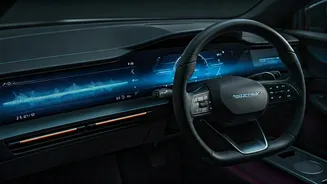
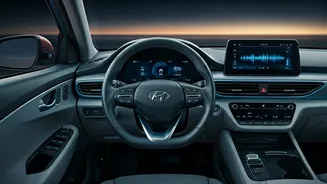
Ultimately, the Integrated Modular Architecture is more than just a new vehicle chassis; it's a strategic tool for market dominance. By streamlining its development and manufacturing processes, Hyundai aims to achieve an operating profit margin of 10% or higher on its EV business. The platform also enables a new era of Software-Defined Vehicles (SDVs), with centralized computing that allows for advanced driver-assistance features and over-the-air updates, future-proofing the cars. This holistic approach, combining hardware standardization with advanced software capabilities, positions Hyundai to compete aggressively on cost, performance, and technology, challenging established players and new entrants in the global EV market. It's a clear statement of intent to not just participate in the electric transition, but to lead it.