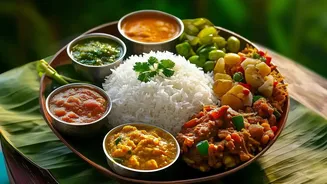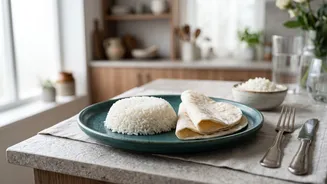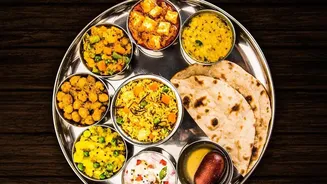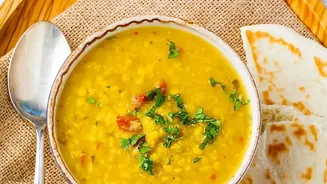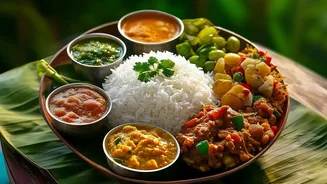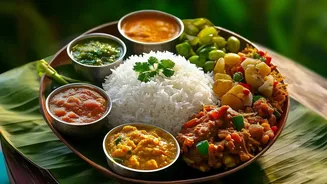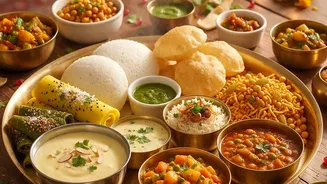



The Modern Indian Plate: A Shift in Staples
For generations, the Indian diet was rich in diverse, high-fibre grains like millets (jowar, bajra, ragi), legumes, and vegetables. However, modern dietary patterns have shifted dramatically. Today, a significant portion of our daily calories comes from
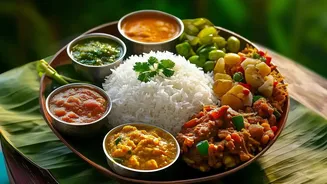
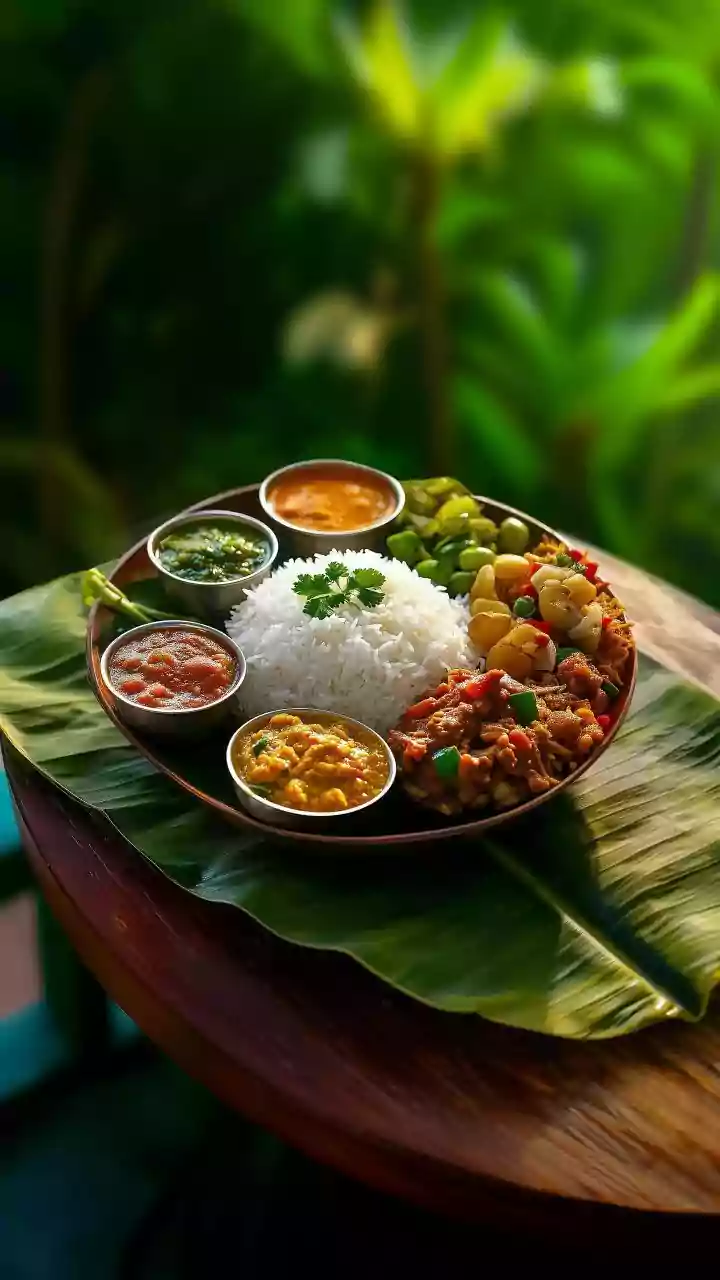
refined carbohydrates. Studies, including the large-scale ICMR-INDIAB survey, show that carbohydrates account for over 62% of the average Indian's energy intake, one of the highest rates in the world. The primary sources are often polished white rice and maida (refined wheat flour), which have replaced many traditional, nutrient-dense grains. This change means that while meals may be filling, they often lack the essential fibre, protein, and micronutrients needed for good metabolic health.
Why Maida and Polished Rice Are a Concern
The problem with maida and polished rice lies in how our bodies process them. The refining process strips the grain of its bran and germ, removing most of the fibre and nutrients. What remains is mostly starch, which the body digests very quickly. This leads to a rapid release of glucose into the bloodstream, causing a sharp spike in blood sugar levels. Foods that cause such spikes are known as high Glycemic Index (GI) foods. Maida has a GI of around 70-85, while white rice can also be high, depending on the variety. Frequent consumption of these foods forces the pancreas to work overtime to produce insulin, the hormone that manages blood sugar. Over time, this can lead to insulin resistance, a precursor to Type 2 diabetes.
The Direct Link to Diabetes
The connection between high consumption of refined carbohydrates and diabetes is well-established. Studies indicate that diets dominated by polished rice and maida are associated with an increased risk of developing Type 2 diabetes. Research has shown that a high intake of white rice is linked to a significantly increased risk, especially in Asian populations where it is a staple. Similarly, the ICMR-INDIAB study found that a high-carbohydrate diet increased the chances of newly diagnosed Type 2 diabetes. This issue is becoming more prevalent even among younger people, with unhealthy diets and lifestyle changes being key drivers. The genetic predisposition of South Asians to store fat around the abdomen, combined with a high-carb diet, can accelerate the progression to insulin resistance.
Making Smarter Carbohydrate Choices
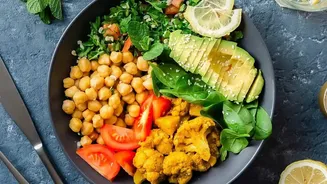
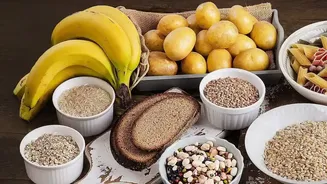
The good news is that managing this risk doesn't mean giving up carbohydrates entirely. The key is to make smarter swaps from refined to complex carbohydrates. Instead of maida-based products like white bread, naan, and biscuits, opt for whole wheat flour (atta) or millet flours like jowar, bajra, and ragi, which are rich in fibre and have a lower GI. Replace polished white rice with brown rice, red rice, or millets. Even small changes can make a big difference. Research suggests that replacing just 5% of carbohydrate calories with protein from sources like dals, legumes, or dairy can significantly reduce diabetes risk. Filling half your plate with non-starchy vegetables is another effective strategy to increase fibre and nutrients while managing blood sugar.
Rethinking the Whole Meal
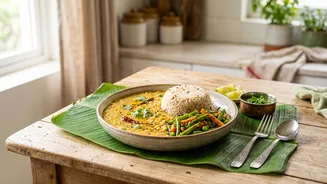
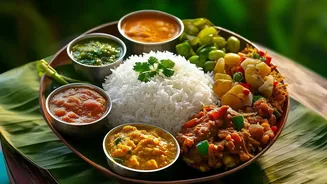
Beyond just swapping grains, it is about balancing the entire meal. Pairing carbohydrates with protein and healthy fats helps slow down the absorption of sugar. For instance, eating rice with a generous serving of dal, paneer, and vegetables has a much better effect on blood sugar than eating a large portion of rice alone. Portion control is also critical; even healthy grains can raise blood sugar if consumed in large quantities. The traditional Indian diet, with its emphasis on combining grains with lentils, vegetables, and yogurt, provides an excellent blueprint. By consciously moving back towards these balanced, whole-food principles, we can enjoy our rich culinary heritage while protecting our long-term health.