



The Spirit of Sawan Eating
The month of Sawan, or Shravan, is one of the most auspicious periods for Hindus, defined by devotion, prayer, and fasting. Food plays a pivotal role in this observance. The guiding principle is a 'Sattvic' diet—consuming foods that are pure, simple,
and calming to the mind and body. This practice is not just about religious rules; it's deeply intertwined with Ayurvedic wisdom that aligns the body with the rhythms of the monsoon season. The goal is to eat light, clean food that supports spiritual focus and gives the digestive system a rest. This means stepping away from everyday staples like regular grains, table salt, and certain spices.
Why Fermented Foods Are Off the Menu
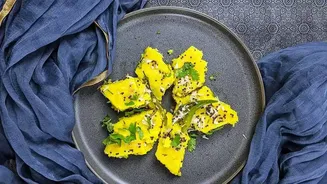
Traditionally, many households avoid fermented foods like dosa, idli, kadhi, and some pickles during Sawan. The reasoning is twofold, blending ancient science with practical concerns. According to Ayurveda, fermented foods are considered 'Tamasic', meaning they can induce lethargy and dullness, hindering the mental clarity sought during this spiritual month. Furthermore, Sawan coincides with the peak of the monsoon, a time of high heat and humidity. These conditions can accelerate fermentation, increasing the risk of spoilage and the growth of unwanted bacteria if not prepared correctly. As Ayurveda suggests that our digestive fire, or 'agni', is naturally weaker during this season, steering clear of potentially heavy or unstable foods is seen as a way to prevent bloating and discomfort.
The Modern Embrace of 'Fresh'
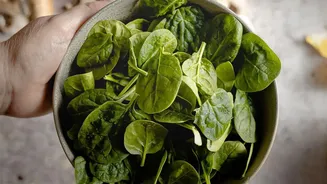
The current preference for 'fresh' food is not a departure from tradition but rather a modern interpretation of it. The core principle of a Sawan diet has always been to consume freshly prepared meals. In an era without refrigeration, eating meals cooked right away was a practical food safety measure during the humid monsoon. Today, this translates into a conscious choice for fresh fruits, steamed or lightly sautéed vegetables, and simple, homemade dishes over anything stale, processed, or complex. This emphasis on fresh, seasonal produce perfectly aligns with the Sattvic ideal of purity and lightness, making it a natural evolution of the age-old Sawan diet.
What's on the Sawan Plate?
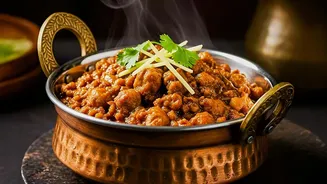
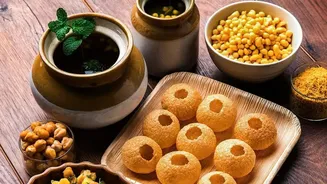
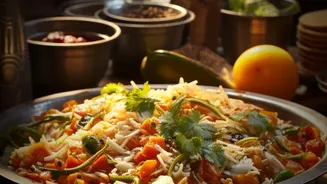
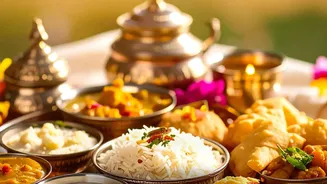
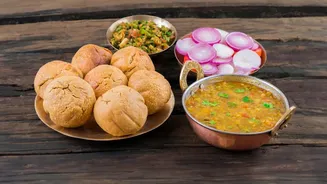
So, what are families eating instead? The Sawan pantry is filled with a unique set of ingredients. Vrat-friendly flours like kuttu (buckwheat), singhara (water chestnut), and rajgira (amaranth) replace wheat and rice. Dishes like Sabudana Khichdi, made from tapioca pearls, are a fasting staple, providing quick energy. Other popular meals include Kuttu ki Puri served with a simple potato curry, Samak rice pulao, and various chaats made from fruits or boiled sweet potatoes. Dairy products like milk, paneer, and curd are widely consumed, offering essential protein. Snacks often consist of roasted makhana (fox nuts), peanuts, and assorted dry fruits, which keep hunger at bay while adhering to the principles of a clean, simple diet.