


The Foundation of Flavor and Texture
At its core, paneer is a fresh cheese made by curdling hot milk with a food acid like lemon juice or vinegar. The curds are separated from the liquid whey, then drained and pressed. But this simple process hides a world of variation. The final taste and texture
depend on three key factors: the type of milk used, the coagulant, and how long the curds are pressed. Buffalo milk, with its higher fat content, typically yields a firmer, more close-knit paneer, while cow's milk results in a softer, more delicate product. These subtle differences in production are what give rise to paneer's distinct regional personalities.
North India: Firm, Spongy, and Savoury
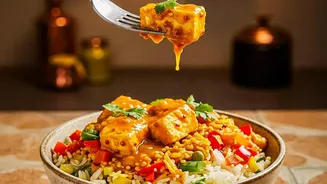
In North India, particularly in states like Punjab, paneer is synonymous with a firm, dense block. This is the paneer that holds its shape perfectly when cubed and tossed into a bubbling pot of palak paneer or skewered for the tandoor. To achieve this resilient, almost 'squeaky' texture, the curds are pressed under a heavy weight for several hours to expel as much moisture as possible. This process creates a sturdy cheese that can be fried until golden brown without disintegrating, developing a satisfyingly chewy exterior while remaining soft inside. Its mild, milky flavour makes it an excellent canvas for the region's robust and aromatic spices, absorbing the essence of tomato-based gravies and rich marinades.
East India: The Soft, Crumbly World of Chhena
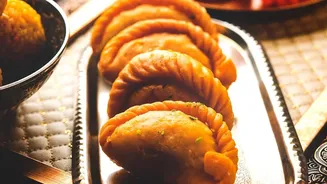
Travel east to West Bengal or Odisha, and you'll find paneer's softer, more delicate cousin: chhena. While made through a similar process of curdling milk, chhena is where the journey often ends for paneer in the North. It is essentially unpressed or very lightly pressed paneer, retaining significant moisture. This results in a soft, crumbly, and moist texture that is entirely different from the firm blocks of the north. Chhena is the soul of iconic Bengali sweets (mishti), where it is kneaded until smooth and formed into delicacies like rasgulla, sandesh, and chhena poda. Its gentle, slightly grainy consistency is perfect for soaking up sugar syrups and creating melt-in-the-mouth desserts that would be impossible to make with firm paneer.
Beyond the Block: Other Notable Variations
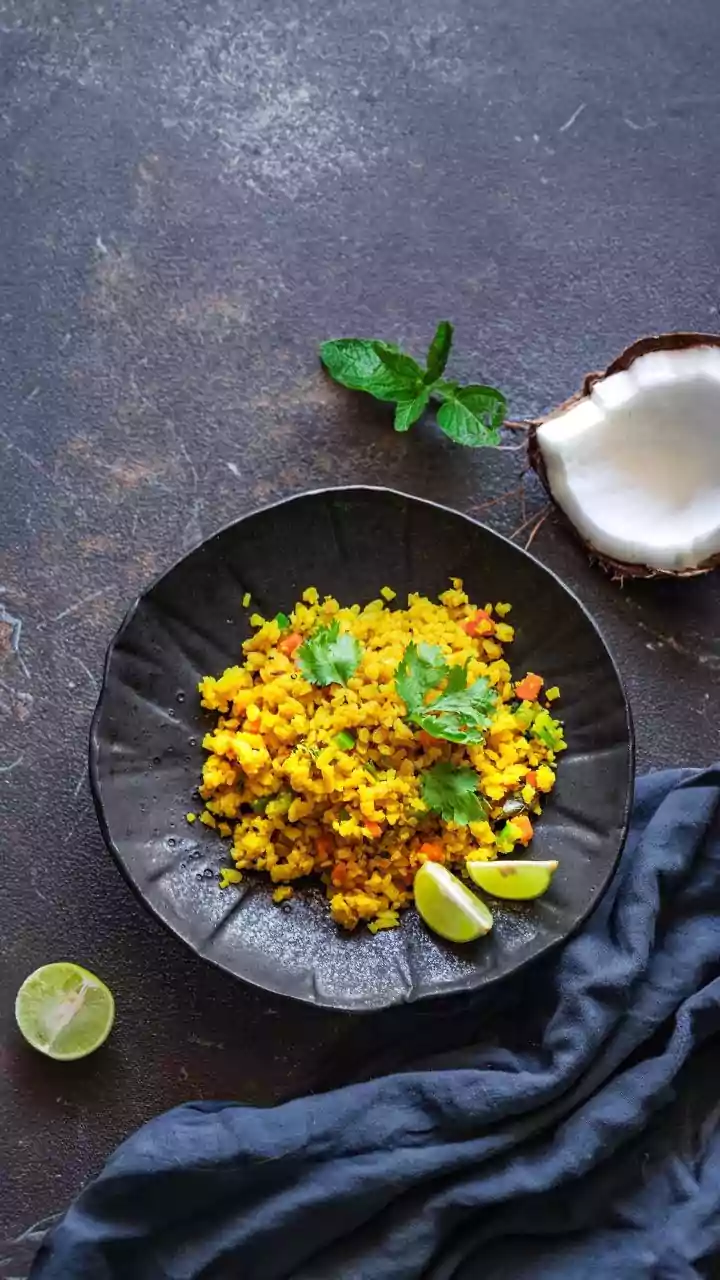
The diversity doesn't stop there. Malai paneer, for example, is a richer, creamier version made by adding fresh cream to the milk before curdling. This results in an exceptionally soft paneer that is prized for its luxurious mouthfeel in dishes like shahi paneer. In Gujarat, you might find Surti paneer, which is ripened in its own whey, giving it a unique flavour profile. Even the way paneer is prepared showcases regional creativity. A Kashmiri Chaman curry uses fennel and milk for a subtle, fragrant gravy, while a Mangalorean Gassi introduces the coastal flavours of coconut and tamarind. From the fiery Paneer 65 of the south to the shredded Paneer Ghotala of Gujarat, each preparation is designed around the specific qualities of the local cheese.