


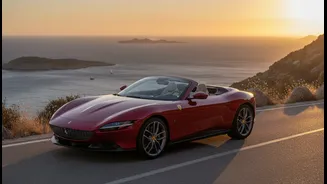




An Open-Top Prancing Horse Arrives
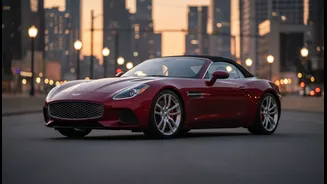
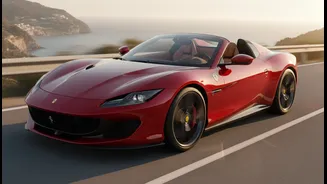
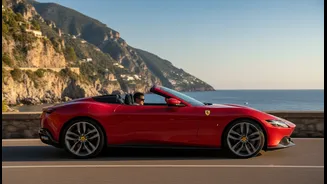
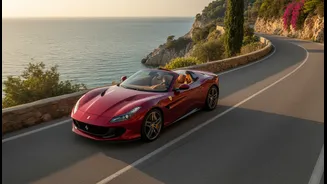
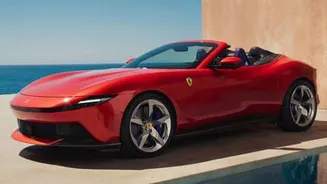
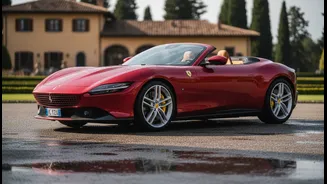
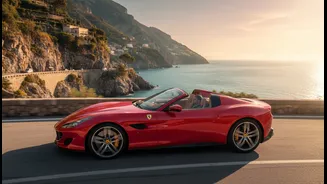
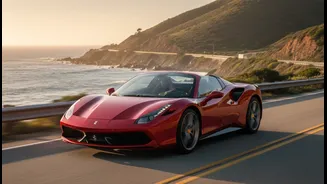
Ferrari is set to launch the new Amalfi Spider in India, the convertible counterpart to its Amalfi coupe. This model brings a classic fabric soft-top back to the forefront of Ferrari's front-engined lineup, a feature that can retract in a mere 13.5 seconds
at speeds of up to 60 km/h. While it shares the potent 3.9-litre twin-turbo V8 engine with its hardtop sibling, producing a formidable 640 horsepower, the experience it offers is fundamentally different. Despite a slight increase in weight, the car maintains its breathtaking performance, sprinting from 0 to 100 km/h in just 3.3 seconds. With an expected price tag of around ₹4.5 crore, the Amalfi Spider is not just a car; it's a statement of grand touring elegance combined with formidable power.
Beyond the Racetrack: A Lifestyle Choice
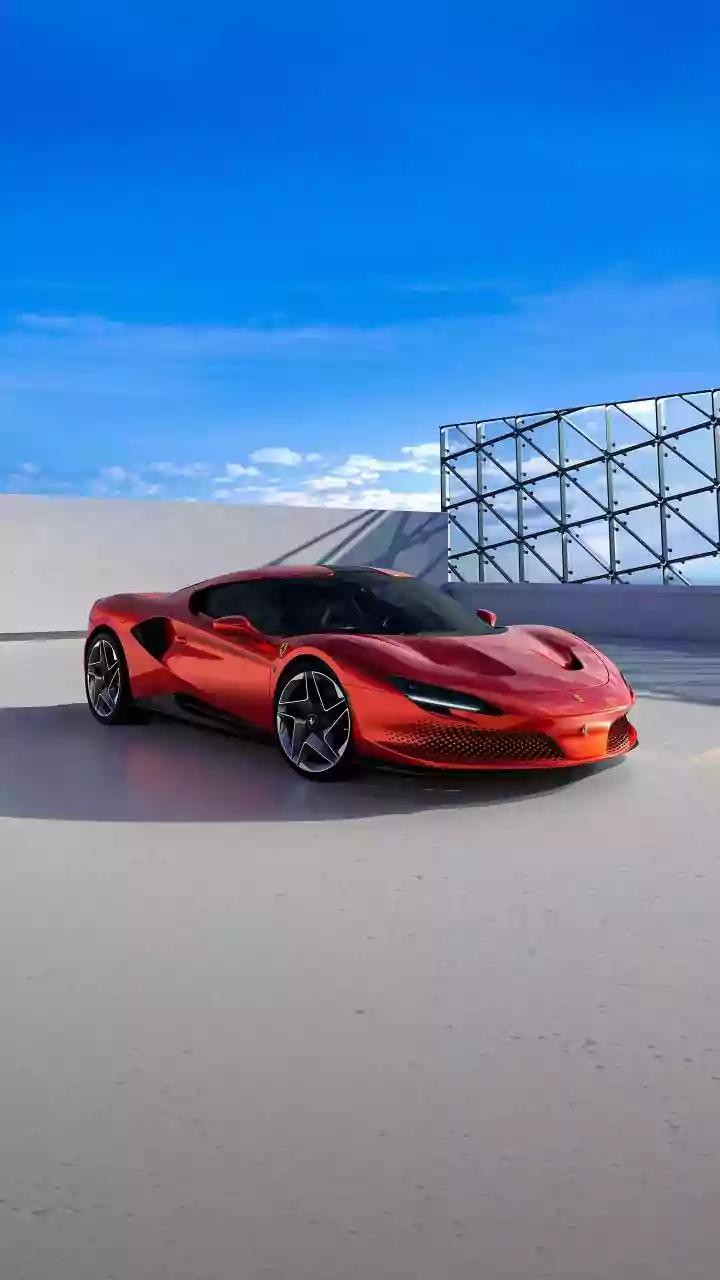
For years, the Ferrari name in India has been synonymous with blistering, track-honed performance, embodied by fixed-roof titans like the 296 GTB and SF90 Stradale. These are cars built for maximum aerodynamic efficiency and lap times. The introduction of a convertible like the Amalfi Spider represents a significant expansion of this philosophy. An open-top car is inherently about the journey, not just the destination. It’s about the sensory experience—the sound of the V8 engine unfiltered, the wind in your hair, and a connection to the environment. This pivot caters to a buyer who appreciates Ferrari's performance heritage but seeks to enjoy it in a more relaxed, touring-focused context. It’s less about shaving seconds off a lap and more about creating unforgettable moments on the open road.
Ferrari's Strategic Play for a Maturing Market
The decision to bring a high-end convertible to India is a clear indicator of Ferrari's confidence in the market's maturity. The Indian supercar segment is experiencing unprecedented growth, with sales projected to rise significantly. This boom is fueled by a growing number of Ultra High-Net-Worth Individuals (UHNWIs), many of whom are younger, first-generation entrepreneurs. These buyers are increasingly looking for vehicles that offer more than just raw speed; they want status, style, and usability. By diversifying its portfolio beyond pure performance coupes and its Purosangue SUV, Ferrari is strategically positioning itself to capture a broader slice of this affluent demographic. It acknowledges that the definition of luxury is expanding to include lifestyle and experiential pleasure.
The Evolving Tastes of India's Super-Rich
The launch taps directly into a wider trend within India's luxury automotive space. While the thrill of a pure sports car remains, there is a burgeoning demand for grand tourers (GTs) and lifestyle-oriented vehicles. Improved road infrastructure and a growing culture of leisure driving and weekend getaways have made cars like convertibles more practical and desirable than ever before. Affluent consumers are no longer just collecting poster cars; they are buying vehicles to be driven and enjoyed. This shift is visible across brands, with luxury SUVs and comfortable, high-performance GTs seeing a surge in popularity. Ferrari's move shows it is listening to this changing consumer sentiment and adapting its offerings accordingly.
Shaking Up the Convertible Scene
Ferrari doesn't enter a segment quietly. The Amalfi Spider will go head-to-head with other elite convertibles available in India from brands like Lamborghini, Aston Martin, and Mercedes-Benz. While competitors have long offered open-top models, the arrival of a new front-engined Ferrari convertible adds a unique flavour of Italian 'La Dolce Vita' to the mix. Its combination of timeless design, brand prestige, and cutting-edge performance ensures it will be a compelling option for those shopping at the highest echelon of the automotive market. The launch not only provides a new choice for buyers but also intensifies the competition, pushing rival brands to innovate and highlight their own unique selling propositions in a market that is becoming increasingly important for global luxury automakers.