



Choosing Your Pot and Plant
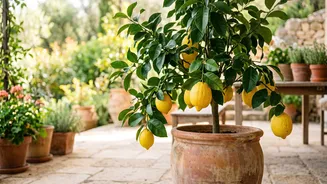
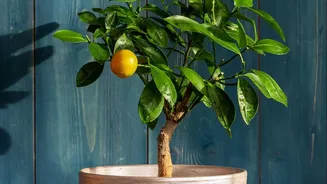
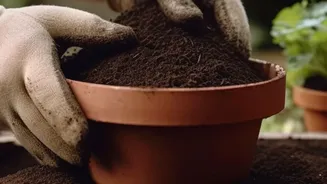
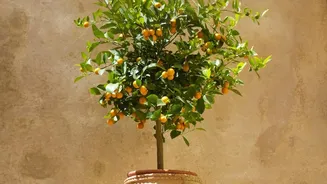
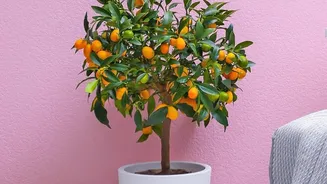
Success begins with the right foundation. Select a dwarf lemon variety like the 'Improved Meyer' or 'Ponderosa', as they are well-suited for container life. When it comes to the pot, size and drainage are critical. Start with a container that is at least
18-24 inches in diameter to give the roots room to grow. Terracotta or clay pots are often recommended because their porous nature allows soil to breathe and helps prevent waterlogging. Most importantly, ensure the pot has multiple drainage holes at the bottom to let excess water escape, which is vital for preventing root rot.
The Right Soil Mix
Lemon trees are particular about their soil. Never use dense garden soil, which compacts easily and retains too much water, leading to root suffocation. Instead, use a well-draining, slightly acidic potting mix. You can purchase a commercial mix specifically designed for citrus or cactus, or create your own. A popular and effective DIY recipe involves blending potting soil with perlite or coarse sand to improve drainage and aeration. For an even better mix, some gardeners follow a formula of equal parts garden soil, organic compost, and river sand or coco peat. This ensures the soil holds enough moisture and nutrients without becoming waterlogged.
Sunlight and Location
Lemon trees are sun-lovers. To thrive and produce fruit, your potted lemon tree needs at least six to eight hours of direct sunlight every day. A south-facing balcony or patio is often the ideal location. If you're growing your tree indoors, place it near the sunniest window available. It's also a good idea to rotate the pot every few weeks to ensure all sides of the plant receive sunlight, promoting even growth and a balanced shape. While they love sun, in very hot climates, providing some protection from the harshest midday sun can prevent scorching.
Watering: A Delicate Balance
Proper watering is crucial and often the trickiest part of lemon tree care. The goal is to keep the soil consistently moist but never soggy. A reliable method is to check the soil with your finger; if the top 1-2 inches feel dry, it's time to water. Water deeply and thoroughly until you see water running out of the drainage holes. This ensures the entire root system gets hydrated. Then, allow the soil to dry out partially before watering again. Young trees may need watering every day or two, while established trees might need it 2-3 times per week, depending on heat and humidity. Overwatering is a common mistake that can lead to yellow leaves and root rot.
Fertilising for Fruit Production
Container plants have limited access to nutrients and rely on you for regular feeding. Lemon trees are heavy feeders, especially of nitrogen, which supports lush, green foliage. During the growing season (spring and summer), fertilise your tree every one to two months. Use a balanced fertiliser specifically formulated for citrus trees, which will have the right ratio of nitrogen, phosphorus, and potassium, as well as essential micronutrients. You can find these in granular or liquid forms. Always follow the package directions to avoid over-fertilising, which can harm the plant.
Pruning for Shape and Health
Pruning helps maintain a compact, attractive shape and encourages fruit production by improving air circulation and light penetration. The best time to prune is in late winter or early spring, after the risk of frost has passed but before new growth begins. Use clean, sharp pruning shears. Your main goals are to remove any dead, diseased, or crossing branches that rub against each other. You can also trim leggy stems to encourage a bushier form. Avoid removing more than one-third of the plant's total growth at any one time. Also, remove any 'suckers' that sprout from the base of the trunk below the graft line, as they sap energy from the main tree.
Dealing with Common Pests
Potted lemon trees can be susceptible to a few common pests, including aphids, scale insects, spider mites, and mealybugs. Regularly inspect the leaves, especially the undersides, and stems for any signs of infestation. Many pests secrete a sticky substance called honeydew, which can lead to a black, soot-like fungus. Often, a strong spray of water can dislodge pests. For more persistent issues, horticultural oils like neem oil can be an effective and safe treatment. Keeping your tree healthy with proper watering and feeding is the best defence, as vigorous plants are less susceptible to pests.