


Understanding the Enemy of Crunch
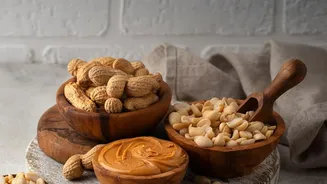
Before we get to the solution, it helps to know the problem. Two main culprits are responsible for turning your perfectly crunchy peanuts into a soft, disappointing snack: moisture and oxidation. Peanuts have a high oil content, which is what makes them
so delicious. However, when these oils are exposed to oxygen, light, and heat, they begin to oxidize, a process that leads to a stale, rancid flavour. At the same time, roasted nuts are dry and will readily absorb moisture from the air, causing them to lose their crisp texture and become soft. Your storage strategy, therefore, must be a defense against both air and humidity.
The First Crucial Step: Cool Down Completely
You’ve just pulled a fragrant batch of salted peanuts from the oven or pan. The temptation to store them while they're still warm is a mistake you must avoid. Warm nuts release steam, and if you seal them in a container, that steam turns into trapped moisture. This is a guaranteed recipe for soft, soggy peanuts. The key is to let them cool completely to room temperature. Spread them in a single layer on a baking sheet to allow air to circulate. You'll know they're ready when they are no longer warm to the touch and have reached their final, crispy state, a process that happens as their fats solidify after cooling.
Your Best Friend: The Airtight Container
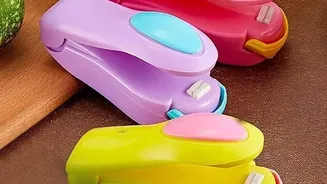
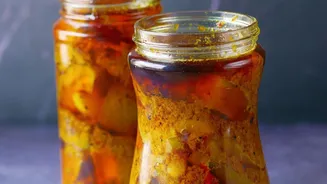
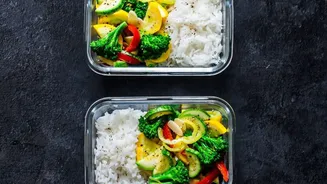
Once your peanuts are completely cool, your choice of container is paramount. To combat both moisture and oxidation, you need an airtight container. This is non-negotiable. Glass jars with tight-fitting lids, vacuum-sealed bags, or high-quality plastic containers are all excellent choices. A simple plastic bag twisted shut will not offer enough protection against the surrounding environment. An airtight seal acts as a barrier, keeping ambient moisture and oxygen out, and locking the freshness and crunch in. This simple step is one of the most effective things you can do to prolong the life of your peanuts.
Pantry, Fridge, or Freezer?
This is where the headline's advice comes into play. Cool storage significantly extends the shelf life of your peanuts. For short-term enjoyment (up to a month), a cool, dark pantry away from sunlight and heat sources is adequate, provided the peanuts are in an airtight container. However, for longer-lasting crunch, the refrigerator is a superior option. Storing peanuts in the fridge can keep them fresh for up to six months. The cold temperature dramatically slows down the oxidation of the oils, preserving both flavour and texture. For the ultimate long-term storage solution, turn to the freezer. You can store homemade peanuts in the freezer for up to a year without a significant loss in quality. The low water content in roasted nuts means they freeze well without damage. When you're ready for a snack, you can eat them directly from the fridge or freezer, or let them sit at room temperature for a few minutes.
Common Mistakes to Avoid
Even with the best intentions, a few common slip-ups can compromise your peanuts. First, avoid storing them near strong-smelling foods, like onions or garlic, even in the fridge. Nuts are porous and can easily absorb external odours. Second, ensure your container is completely dry before adding the peanuts. Any residual moisture can lead to sogginess or even mold. Finally, resist the urge to store more than you need at room temperature. While convenient, the pantry is best for the peanuts you plan to eat within a few weeks. For larger batches, always opt for the superior protection of the fridge or freezer.