

The Primal Allure of Volcanoes
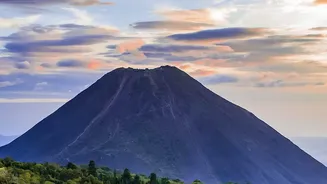
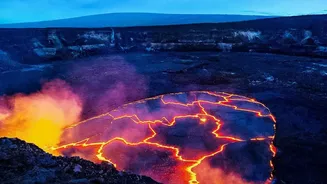
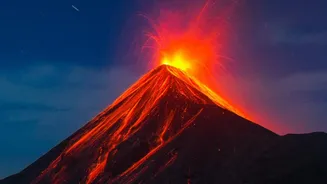
There is something elemental about witnessing the Earth create itself in real-time. The glow of lava, the plume of steam against a night sky, and the sheer scale of the geological forces at play have made destinations like Mount Etna in Italy, Kīlauea
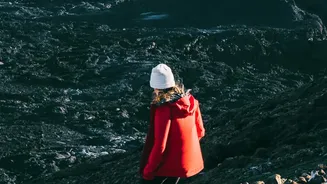
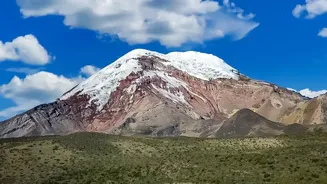
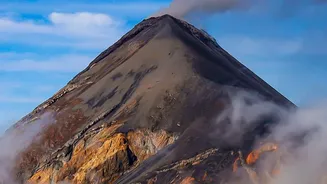
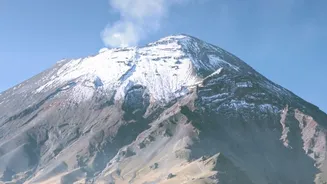
in Hawaii, and even India's own Barren Island bucket-list items for many. This isn't just about thrill-seeking; it's about connecting with one of nature's most powerful and awe-inspiring phenomena. Volcanoes create unique, otherworldly landscapes of hardened lava fields, black sand beaches, and mineral-rich craters that feel like stepping onto another planet. For many, the experience is a profound reminder of the dynamic world beneath our feet. This desire to witness creation and destruction firsthand has fueled a global industry, with tour operators offering everything from helicopter flyovers to guided hikes into volcanic craters.
Risks Beyond the Eruption
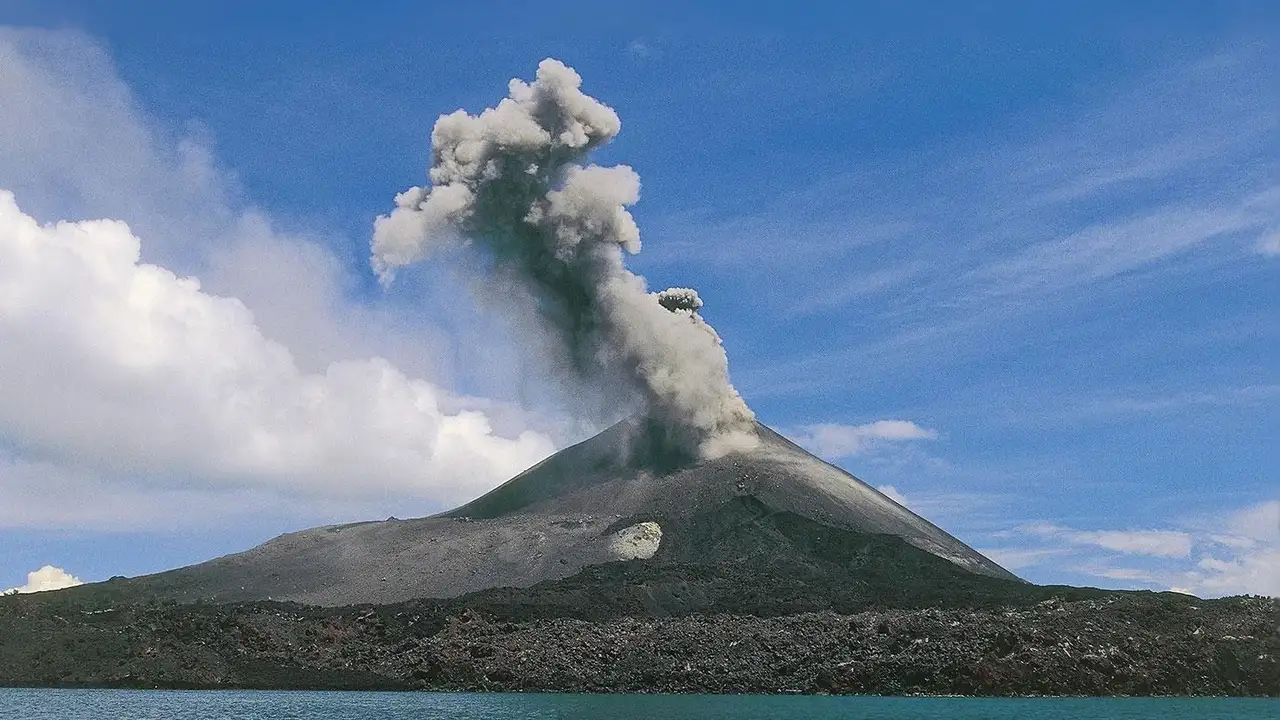
The most obvious danger of visiting an active volcano is, of course, an eruption. But the risks are far more numerous and often invisible. Sudden explosions, known as phreatic eruptions, can occur with little to no warning, blasting steam, ash, and rock fragments into the air. However, even on a 'calm' day, dangers are present. Toxic gases like sulfur dioxide are often released from vents and can be invisible and odourless. These gases can cause severe respiratory problems, especially for those with existing conditions like asthma. The ground itself can be treacherous; new lava crust can look solid but may conceal molten rock just beneath the surface, while old lava fields can be sharp and unstable. Additionally, volcanic ash can turn into a fast-moving mudflow, called a lahar, during heavy rains, posing a threat even weeks or months after an eruption.
Know Before You Go: Check the Alerts
Not all 'active' volcanoes are on the verge of a cataclysmic eruption. Scientists and geological observatories use a system of alert levels to communicate the current state of a volcano. These levels, often designated by terms like Normal, Advisory, Watch, and Warning, help local authorities and the public understand the potential for an eruption. For example, a 'Watch' level might indicate heightened unrest, while 'Warning' means a hazardous eruption is imminent or underway. These systems are crucial for managing tourism safely. Before planning any trip, your first step should always be to check the official updates from the local volcanological survey, like the U.S. Geological Survey (USGS) for American volcanoes. These agencies provide real-time data on seismic activity, gas emissions, and ground deformation, which are key indicators of a volcano's mood.
How to Be a Responsible Volcano Tourist
Managing the risk of volcano tourism requires preparation and respect for the power of nature. The most critical decision you will make is choosing a reputable tour operator. A good guide will be certified, have an impeccable safety record, provide necessary equipment like gas masks or hard hats, and, most importantly, will not hesitate to cancel a tour if conditions become unsafe. Never enter closed areas. Warning signs and restricted zones are there for a reason, often based on scientific data about invisible gas pockets or unstable ground. Always stay on marked trails. Wear appropriate gear, including sturdy, closed-toe hiking boots, long pants, and layers for rapidly changing weather. Listen to every instruction from your guide or park rangers. Their job is to keep you safe in a constantly changing environment.
The Aftermath Is Also a Risk
The danger doesn't always end when the lava stops flowing. As seen with the recent eruption of Mount Etna in August 2026, volcanic ash can cause widespread disruption far from the peak. Catania's airport in Sicily was forced to close, stranding thousands of tourists and demonstrating how volcanic activity can impact travel plans even for those not hiking the slopes. The fine, abrasive particles of ash are a significant hazard to aviation, as they can damage jet engines. For travellers, this means that even if you are visiting a region near a volcano, it's wise to have contingency plans, monitor flight advisories, and be prepared for potential delays or cancellations. Registering with your country's consular services can also be a vital step for receiving assistance in a crisis.