









What is Nutrigenomics Anyway?
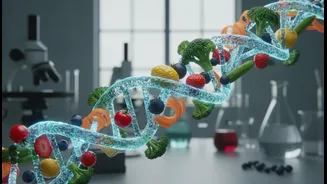
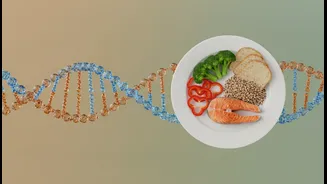
Nutrigenomics is the study of how our genes and our food interact. The central idea is that our individual genetic makeup can influence how our bodies absorb, metabolise, and respond to different nutrients. Proponents suggest that by understanding these
interactions, we can create personalised dietary plans to optimise health and prevent chronic diseases. In recent years, a booming industry of direct-to-consumer genetic testing kits has emerged, offering to tell you everything from your ideal caffeine intake to the perfect ratio of fats, proteins, and carbohydrates for weight loss, all based on a saliva sample. The market is expanding rapidly, but it remains largely unregulated, leading to a wide variety of claims and a challenge for consumers to sort fact from fiction.
The Gold Standard: Rock-Solid Evidence
While much of the commercial hype is ahead of the science, some gene-diet links are incredibly well-established and form the bedrock of this field. The classic example is Phenylketonuria (PKU), a rare genetic disorder where the body can't break down an amino acid called phenylalanine. A strict diet low in this compound is essential for preventing severe health problems. For the general population, the clearest links involve lactose intolerance and celiac disease. Many adults lose the ability to digest lactose, the sugar in milk, due to a predictable decrease in the activity of the LCT gene. Genetic tests for variations in this gene can reliably predict lactase nonpersistence. Similarly, celiac disease, an autoimmune reaction to gluten, is strongly linked to specific genetic markers known as HLA-DQ2 and HLA-DQ8. Nearly all people with celiac disease carry one of these gene variants. For these conditions, the genetic link is powerful and clinically useful.
The Grey Area: Plausible but Murky Links
Beyond the clear-cut cases, things get more complicated. Take caffeine, for instance. Variations in the CYP1A2 gene influence how quickly our bodies metabolise caffeine. This has led to the labels of "fast" and "slow" metabolisers. While studies show these genetic differences can influence habitual coffee intake and sensitivity to caffeine's effects on sleep and anxiety, the impact on long-term health risks, like cardiovascular disease, remains debated and requires more high-quality research. Another widely discussed gene is MTHFR, which affects how the body processes folate (vitamin B9). Some variants reduce the enzyme's efficiency. While this sounds alarming, major health bodies like the CDC state that people with MTHFR variants can still process folic acid, the synthetic form of folate, and that intake is more important than genotype for maintaining adequate folate levels. So, while the gene plays a role, it doesn't necessarily warrant the drastic dietary overhauls often suggested online.
The Hype Zone: Where Evidence Is Weak
This is where most commercial DNA diet tests operate, making bold claims about complex traits like obesity, vitamin needs, and optimal macronutrient ratios. The reality is that these traits are polygenic, meaning they are influenced by hundreds or thousands of genes, each with a tiny effect. For example, variants in the FTO gene are linked to a slightly higher risk of obesity. However, major studies have found that people with these risk variants respond just as well to diet and exercise interventions as those without them. Your genes do not seal your fate when it comes to weight loss. Many of the personalised recommendations provided by these services boil down to generic, common-sense advice: eat more vegetables, limit processed foods, and increase fibre. The science to support highly specific, gene-based advice for the general population simply isn't there yet.