





Why 'Natural' Doesn't Mean Harmless
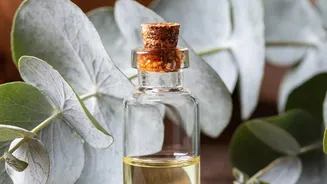
Essential oils are highly concentrated plant extracts. It takes a vast amount of plant material to produce a single small bottle, making the final product incredibly potent. Eucalyptus oil's power comes from a compound called 1,8-cineole (or eucalyptol),
which is responsible for its signature scent and therapeutic properties. However, this same potency is why applying it “neat”—or undiluted—directly to the skin is a bad idea. Doing so can overwhelm the skin's natural barrier, leading to irritation, redness, burning sensations, and even chemical burns or blisters in some cases. The term 'natural' simply refers to the origin of the product, not its inherent safety at full concentration.
The Art of Safe Dilution
To safely enjoy the benefits of eucalyptus oil on your skin, you must dilute it with a carrier oil. A carrier oil is a neutral, plant-based oil that helps “carry” the essential oil onto the skin, dispersing its concentration and allowing for safer application. For general use on the body, a dilution of 1-2% is the standard recommendation for healthy adults. This translates to approximately: - 1-2 drops of eucalyptus oil per 1 teaspoon (5ml) of carrier oil. - 6-12 drops of eucalyptus oil per 1 ounce (30ml) of carrier oil. For sensitive skin, children, or the elderly, a lower concentration of 0.5% to 1% is advised. Always start with a lower dilution to see how your skin reacts. Before a full application, perform a patch test by applying a small amount of the diluted oil to your inner forearm and waiting 24 hours to check for any reaction.
Choosing the Right Carrier Oil
The carrier oil you choose can affect how the blend feels and absorbs. Many common and effective carrier oils may already be in your kitchen or medicine cabinet. Good options include: - Jojoba Oil: This oil is a popular all-rounder because its structure closely resembles the skin's natural sebum, making it suitable for most skin types. - Coconut Oil: Fractionated coconut oil is a great choice as it remains liquid, absorbs quickly, and has a long shelf life. - Sweet Almond Oil: Ideal for massage, this oil provides a silky glide and is generally well-tolerated. - Olive Oil: A readily available option that works well for dilution, though it has a stronger natural scent than other oils. - Grapeseed Oil: A lightweight and fast-absorbing oil, making it a good fit for those with oily or acne-prone skin.
The Benefits of Using Eucalyptus Oil Correctly
When properly diluted, eucalyptus oil can be a wonderful addition to your wellness routine. Its main compound, 1,8-cineole, has known anti-inflammatory and antimicrobial properties. This makes it a popular ingredient in chest rubs for congestion and massage blends for soothing tired muscles. Topically, it can help calm redness and irritation associated with breakouts. Some research suggests it can even help strengthen the skin's moisture barrier by boosting ceramide production. The key is that these benefits are unlocked through safe, diluted application, not by using the potent oil at full strength.
Who Should Be Extra Cautious?
Certain individuals need to be particularly careful with eucalyptus oil. It should not be used on or near the face of infants and children under the age of two, as it can cause serious respiratory issues. Some sources recommend avoiding it for children under six entirely for topical applications like chest rubs, and when used, it should be at a much lower dilution. Pregnant and nursing women should also avoid using eucalyptus oil, as its safety has not been established for them. People with sensitive skin, asthma, or low blood pressure should also exercise caution and consult a professional before use. Finally, eucalyptus oil should never be ingested, as even a small amount can be toxic or even fatal.