

Bengal’s Aloo Posto: A Story of Survival
In West Bengal, Aloo Posto is more than just a comforting dish of potatoes in a creamy poppy seed paste; it's a symbol of resilience and history. Its origins are tied to a dark chapter when the British forced farmers into large-scale opium cultivation.
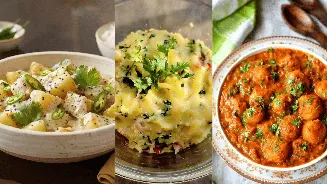
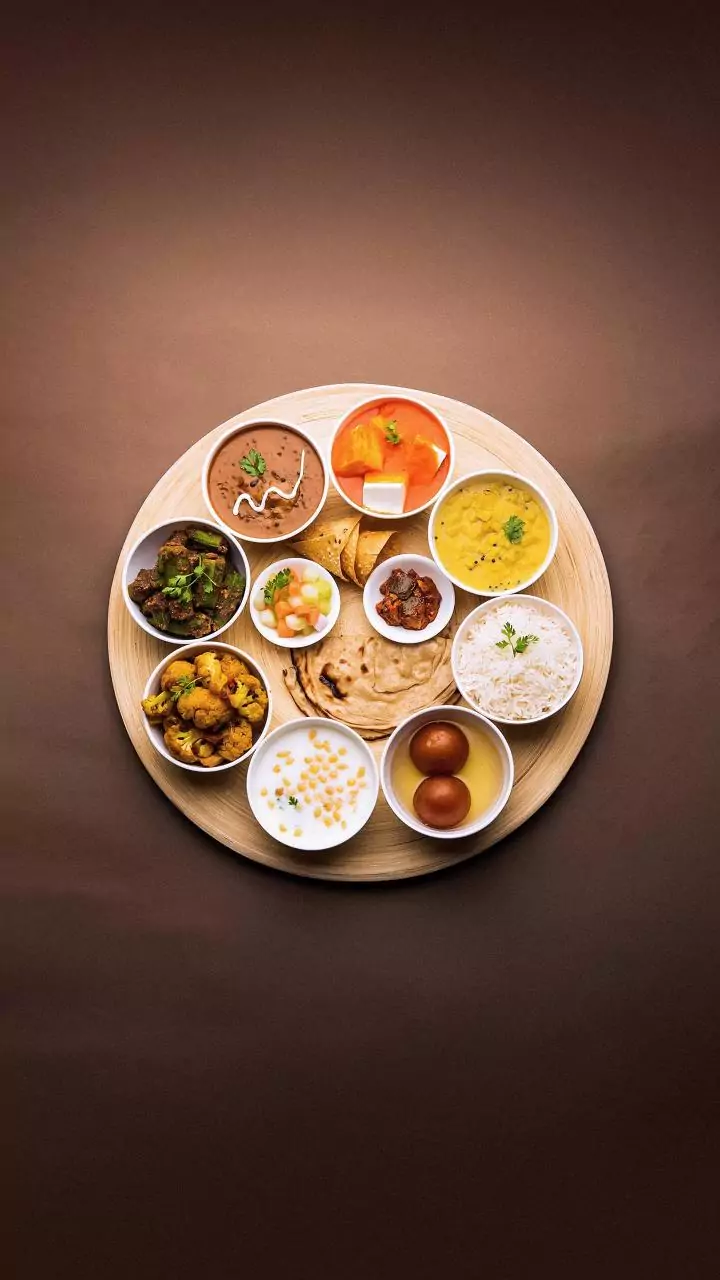
The non-narcotic poppy seeds (posto), left behind as a residue of the trade, were ingeniously adopted into the local cuisine by farmers' wives looking to supplement meager meals. What began as a food of survival evolved into a culinary icon. Cooked with the pungent kick of mustard oil and the heat of green chillies, this simple, nutty, and earthy preparation, often served with dal and rice, is a testament to Bengali culinary ingenuity and a cherished part of its identity.
Maharashtra’s Batata Vada: The Heartbeat of Mumbai
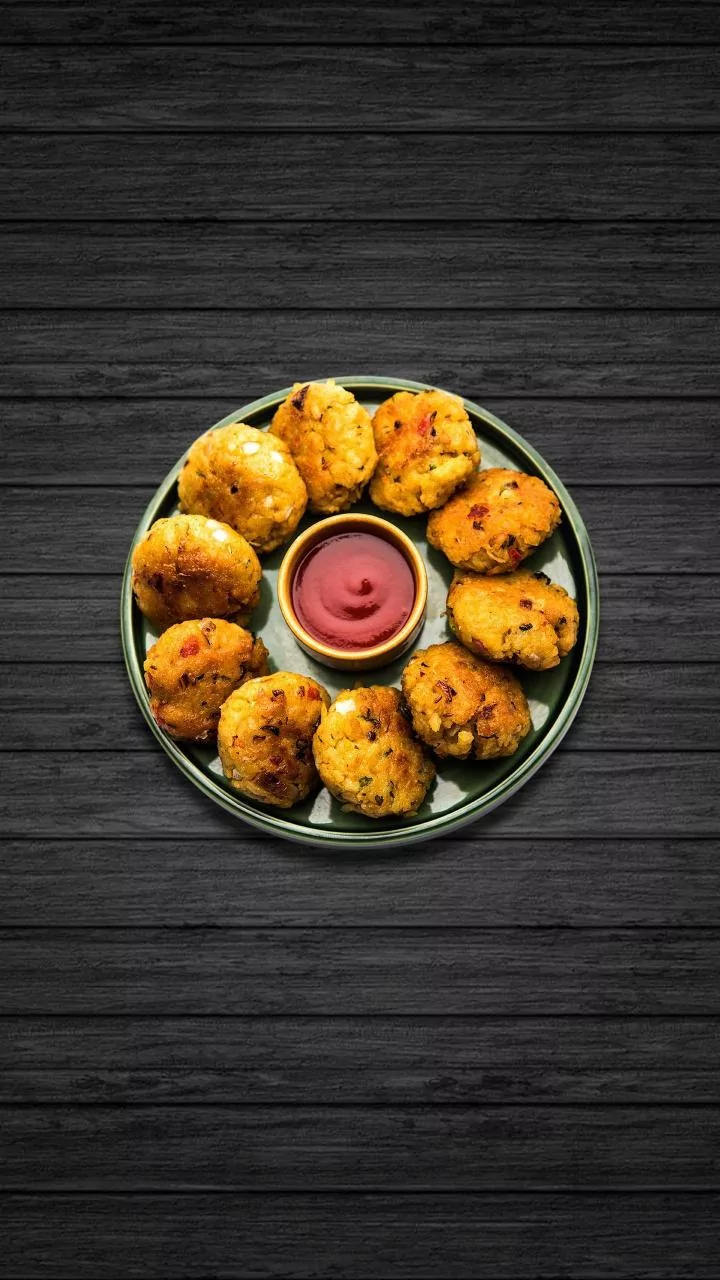
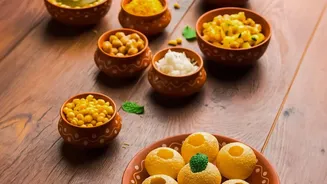
Few things capture the spirit of Mumbai like the Batata Vada. This golden-fried sphere of spiced mashed potato, coated in a crisp chickpea flour batter, is the city’s quintessential street food. Its story reportedly begins in 1966 outside Dadar railway station, where Ashok Vaidya created an affordable and filling snack for the city's hardworking mill workers. He served the hot vada inside a soft bread roll (pav), and the iconic Vada Pav was born. Seasoned with ginger, garlic, and green chillies, the Batata Vada is fiery, flavourful, and deeply satisfying. It represents the fast-paced, industrious, and inclusive nature of Mumbai, fuelling everyone from office-goers to students.
Kashmir’s Dum Aloo: A Slow-Cooked Royal Legacy
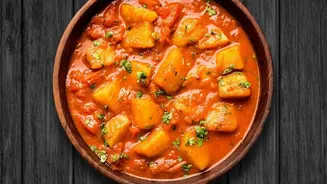
From the picturesque valleys of Kashmir comes Dum Aloo, or 'Dum Oluv', a dish that embodies patience and regal flavour. A jewel of the Kashmiri Pandit cuisine, this dish traditionally uses no onions or garlic. Baby potatoes are first boiled, peeled, and fried until golden, creating a crisp exterior. They are then slow-cooked ('dum') in a rich, tangy yogurt-based gravy fragrant with fennel powder, dry ginger, and the signature Kashmiri red chilli, which lends a vibrant colour without overwhelming heat. This is not a dish to be rushed; its magic lies in the slow absorption of spices, resulting in a preparation that is both profoundly flavourful and delicately balanced, reflecting the refined culinary heritage of the region.
Uttarakhand’s Aloo ke Gutke: The Rustic Taste of the Hills
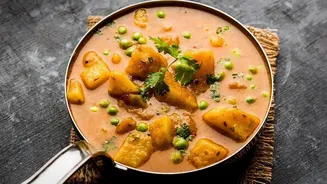
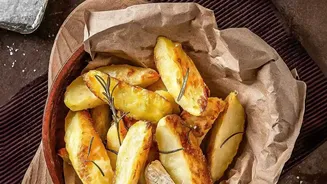
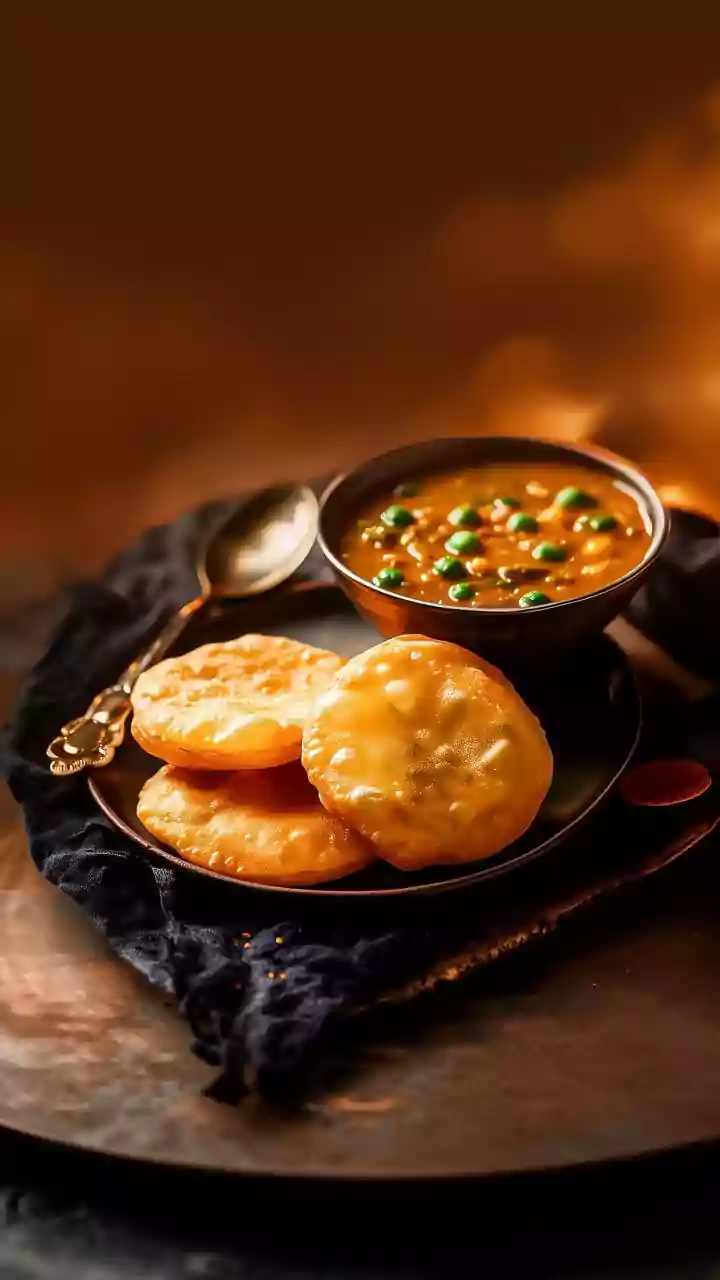
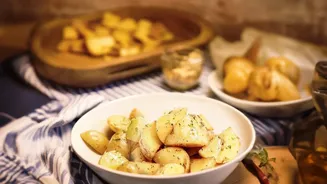
High in the Kumaon hills of Uttarakhand, Aloo ke Gutke is a simple, rustic dish that speaks of mountain life. The name itself means potato pieces ('gutke' in Pahari), and the preparation is just as straightforward. Boiled potatoes are cubed and stir-fried in mustard oil, a regional staple that imparts a distinctive pungent aroma. The magic comes from a minimalist blend of spices, often including whole red chillies, cumin, and sometimes unique Himalayan herbs like Jakhiya. Served as a hearty snack with tea or as a side dish with puris, Aloo ke Gutke is a quick, flavourful, and soul-warming dish that offers a true taste of the mountains—humble, robust, and utterly unforgettable.
Tamil Nadu’s Urulai Roast: A Spicy Southern Staple
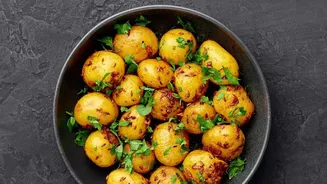
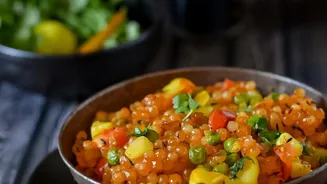
In the kitchens of Tamil Nadu, the potato is often transformed into the irresistible Urulai Roast, also known as Potato Fry. This isn't a soft curry but a dry, spicy, and deeply satisfying side dish. Baby potatoes are boiled, peeled, and then roasted in a pan with a generous tempering of mustard seeds, urad dal, and curry leaves. What makes it truly special is the freshly ground spice powder (podi) that coats the potatoes, often a fiery blend of dried red chillies, coriander seeds, and other aromatic spices from the Chettinad region. Roasted on a low flame until the edges become wonderfully crisp and the flavours meld together, Urulai Roast is the perfect accompaniment to sambar or rasam rice, showcasing the South's love for bold textures and robust spice.