







The Hidden Cost of a Query
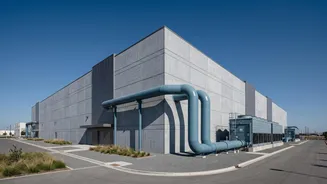
Artificial intelligence feels ethereal, existing somewhere in the cloud. But its physical reality is housed in massive, heat-generating data centres around the globe. To prevent the millions of high-performance servers from overheating, these facilities
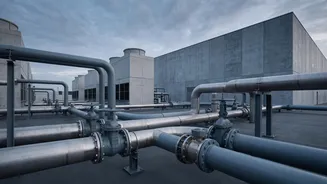
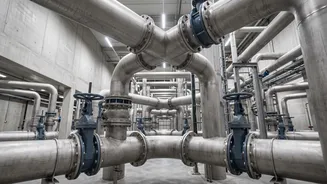
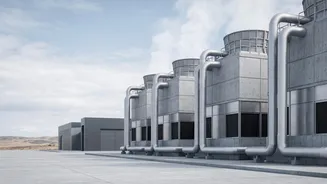
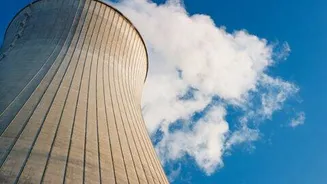
rely on cooling systems, many of which use enormous quantities of water. This process, often involving evaporative cooling towers, releases water vapour into the atmosphere. The more complex the AI task, the more computational power is needed, which in turn generates more heat and requires more cooling. While a single AI query might seem insignificant, the cumulative effect of billions of daily interactions adds up to a substantial water footprint that is only now being fully understood.
Why AI Is So Thirsty
Not all computing is created equal. The workloads for training and running large AI models are far more intensive than traditional tasks like sending emails or streaming video. Training a model like GPT-3 can consume around 700,000 litres of fresh water in a single run. The water footprint varies dramatically depending on what is being measured. One academic estimate suggests that 10 to 50 queries with a large language model can consume a 500ml bottle of water when accounting for both on-site cooling and the water used to generate the necessary electricity. This distinction is critical: direct water use for cooling is just one part of the equation. The indirect water footprint—the water consumed by power plants generating electricity for the data centres—is often much larger, accounting for over 90% of the total in some analyses.
Putting Numbers to the Problem
Recent data paints a stark picture of rising consumption. In the U.S., direct water use by data centres was 17.4 billion gallons in 2023, a figure projected to nearly triple or quadruple by 2028 due to the AI boom. Tech giants are beginning to disclose more data, though transparency varies. Google, for instance, reported its data centre water consumption rose from 4.3 billion gallons in 2021 to 6.1 billion gallons in 2024. The company's total water use, including offices, saw a significant jump driven by AI workloads. Microsoft, while focusing more on efficiency metrics recently, has also acknowledged the challenge, noting that in the month before it finished training GPT-4, its Iowa data centre cluster drew around 11.5 million gallons of water, representing a notable portion of the local district's total water use.
The Ripple Effect on Communities
This escalating demand is creating friction in local communities, particularly in water-stressed regions. Reports have highlighted instances where a single large data centre can consume millions of gallons of water per day, comparable to the daily needs of a small town. With a significant number of U.S. data centres located in areas already facing drought or water stress, conflicts over this essential resource are becoming more common. Some cities have even enacted moratoriums on new data centre construction, citing concerns over the strain on water and power grids. The challenge is that data centres require a constant, inflexible water supply, which can be problematic in areas where climate change is making water availability less predictable.
The Search for a Cooler Future
In response to growing scrutiny, the tech industry is ramping up efforts to mitigate AI's water footprint. Both Google and Microsoft have pledged to become "water positive" by 2030, meaning they aim to replenish more water than they consume through investments in watershed restoration and conservation projects. Google reported that in 2025, it replenished 7.7 billion gallons of water, covering about 78% of its total consumption for the year. Technological innovation is another key focus. Companies are exploring advanced cooling methods that reduce or eliminate water use, such as closed-loop systems, direct liquid cooling, and using non-potable or recycled water. Microsoft has stated its newest AI data centres no longer use water for cooling during normal operations, showcasing a significant improvement in efficiency. These strategies, combined with building more efficient AI models, represent the industry's path toward balancing explosive growth with environmental responsibility.