






More than just a beloved winter comfort food, saag is a masterclass in nutrition. This classic dish, in its many forms, showcases why adding a wide array of leafy greens to your diet is one of the best things you can do for your overall health.
More Than Just One Green
The first
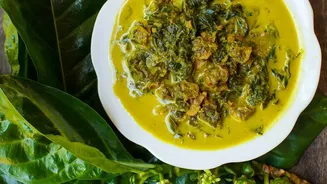
thing to understand about saag is that it isn't a single recipe but a category of dishes from the Indian subcontinent made with leafy greens. While Sarson ka Saag, made from pungent mustard greens, is the most famous Punjabi variant, the beauty of saag is its versatility. Traditionally, cooks combine several types of greens to create a complex flavour and a rich, creamy texture. Common additions include spinach (palak), fenugreek leaves (methi), and bathua (chenopodium or lamb's quarters). This practice of blending greens is not just for taste; it’s a nutritional strategy that packs a diverse range of benefits into every bite.
The Strength in Variety
Eating a wide array of vegetables is a cornerstone of good health, and this is especially true for leafy greens. Different greens have unique nutritional profiles. For example, mustard greens are exceptionally high in Vitamin C and Vitamin K, while spinach is richer in iron, folate, and magnesium. Fenugreek leaves (methi) are a notable source of iron and contain compounds that can help regulate blood sugar. By combining them, as is traditional in saag, you consume a broader spectrum of vitamins, minerals, and phytonutrients than you would by eating just one type of green alone. This variety supports everything from your immune system to bone health and cellular function.
A Nutritional Powerhouse
A serving of saag delivers an incredible dose of essential nutrients. It is an excellent source of Vitamin A, crucial for vision and immune health, and Vitamin K, which is vital for bone strength and proper blood clotting. The combination of greens provides a significant amount of Vitamin C, a powerful antioxidant that helps protect the body from damage and illness. Saag is also a good source of minerals like iron, calcium, potassium, and magnesium. Furthermore, it is loaded with dietary fibre, which is essential for good digestion, regulating blood sugar, and promoting a feeling of fullness, making it a satisfying and heart-healthy choice.
Antioxidants and Anti-Inflammatory Benefits
Leafy greens are packed with antioxidants like flavonoids and carotenoids, which help combat oxidative stress in the body. This cellular damage is linked to chronic diseases and aging, so a diet rich in antioxidants is a powerful protective measure. Many greens used in saag, such as mustard greens and moringa, also have anti-inflammatory properties. Regular consumption can help reduce inflammation in the body, which is a risk factor for conditions like heart disease and arthritis. The amino acids and other compounds found in greens like bathua also aid in digestion and can act as a natural blood purifier.
How to Maximise the Goodness
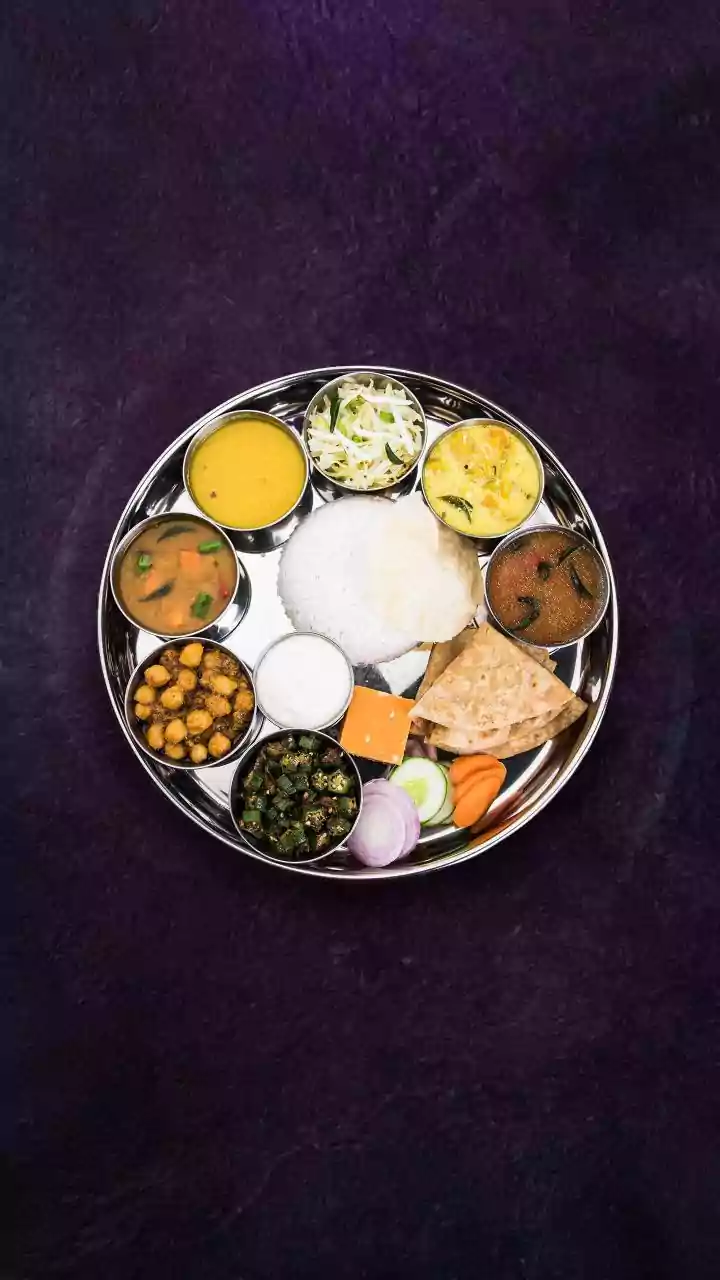
While traditional saag is incredibly healthy, modern preparations can sometimes involve a large amount of ghee or butter. To maximise the health benefits, consider using these fats more moderately for flavouring at the end rather than as the primary cooking medium. Steaming the greens instead of boiling them for long periods can also help preserve more of their water-soluble vitamins. Don’t be afraid to experiment with the greens available to you locally. From amaranth leaves (chaulai) to drumstick leaves (sahjan) or even radish greens (mooli saag), many local varieties can be used to create your own unique and nutritious saag. Paired with a whole-grain flatbread like makki di roti, it becomes a complete, balanced, and deeply nourishing meal.