



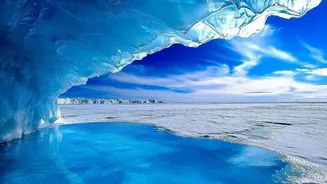
A Paradise on Thin Ice
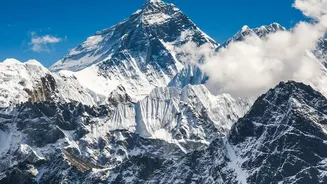
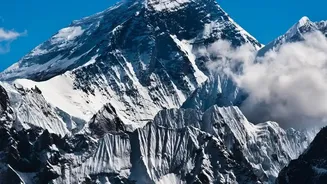
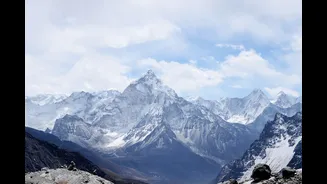
For Nepal, the majestic Himalayas are a source of identity, spirituality, and life-giving water. Yet this relationship is becoming increasingly fraught with peril. Recent years have been marked by a tragic series of disasters, with a devastating flood
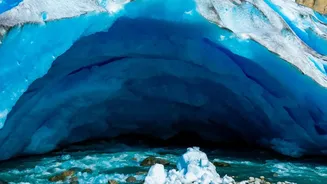
in August 2026 serving as a catastrophic reminder of the region's vulnerability. This event, which saw a torrent of water, rock, and mud cascade through river valleys, was not an isolated incident but part of a frightening trend. Scientists have noted that the rate of glacier melt in the Hindu Kush Himalaya region has doubled since the year 2000. This accelerated melting is not just about losing ice; it is about the creation of new, volatile threats that loom over the communities below.
The Science of a Ticking Time Bomb
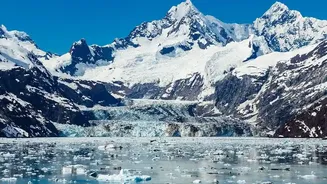
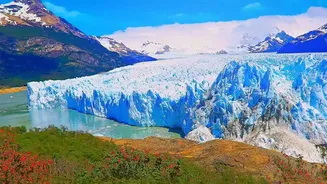
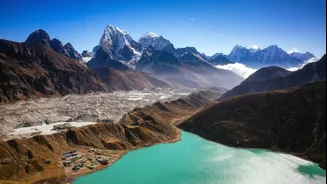
The primary threat is a phenomenon known as Glacial Lake Outburst Floods, or GLOFs. As glaciers retreat, they leave behind vast lakes, often dammed by unstable walls of rock and sediment called moraines. Global warming acts as a trigger in multiple ways. Firstly, it accelerates the melting that feeds and expands these lakes. Secondly, it thaws the high-altitude permafrost—the frozen 'glue' that holds mountain slopes together—making massive rock and ice avalanches more likely. When these avalanches crash into a glacial lake, or the moraine dam simply fails, a wall of water can be unleashed downstream with unimaginable force, sweeping away everything in its path. A 2026 report from the International Centre for Integrated Mountain Development (ICIMOD) identified 47 high-risk glacial lakes in the river systems connected to Nepal, 21 of which are within the country itself.
The Human Cost of a Warming World
The numbers paint a grim picture, but the true story is about the lives and livelihoods at stake. The August 2026 floods claimed over a thousand lives, with thousands more missing, and displaced tens of thousands of people. It obliterated homes, roads, bridges, and critical hydropower plants, which form the backbone of Nepal's economy. Beyond these sudden catastrophes, the slow-motion crisis of melting glaciers leads to water scarcity in the dry season, disrupting agriculture and forcing communities to migrate from ancestral lands. In a country that contributes only 0.1% of global greenhouse gas emissions, the people of Nepal are paying a disproportionately high price for a crisis they did little to create.
A Race Against a Melting Clock
Nepal is not standing idle. The government, with support from international partners like the UNDP, is taking steps to mitigate the risks. These efforts include projects to carefully drain the most dangerous glacial lakes, lowering their water levels to reduce the potential for a catastrophic outburst. Community-based early warning systems are also being established, designed to give downstream residents precious minutes to evacuate when a disaster strikes. However, the scale of the challenge is immense. Scientists and local authorities acknowledge that these measures, while vital, are not enough on their own. The sheer number of potentially dangerous lakes and the unpredictability of these events make comprehensive protection incredibly difficult. Effective adaptation will require not just engineering solutions, but also integrating local knowledge with scientific data and, critically, a global commitment to addressing the root cause of the problem: climate change.