




Observing your first Karwa Chauth is a beautiful experience, filled with love and tradition. But the most daunting part for many is the strict 'nirjala' fast—no food or water. Here’s a simple guide to understanding why and how to navigate it.
Understanding the Nirjala Vrat
The Karwa
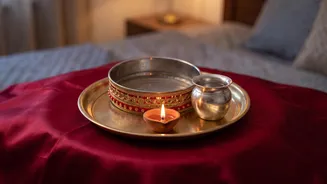
Chauth fast is traditionally a 'nirjala vrat', which translates to a fast without water. From sunrise to moonrise, observing women typically abstain from all food and water. This act of devotion is undertaken for the longevity and well-being of their husbands. The term 'nirjala' itself signifies the most rigorous form of fasting in Hindu traditions, emphasizing self-discipline, restraint, and deep spiritual focus. While it sounds challenging, millions of women observe it every year. However, it's important to remember that family customs vary, and some may allow for modifications. The core idea is the sincerity of the prayer and intention behind the fast.
The Spiritual Significance of Sacrifice
Why go without water? The gesture is deeply symbolic. The hardship of abstaining from a basic necessity like water is seen as a profound expression of love, devotion, and sacrifice. According to tradition, this act of self-control is believed to strengthen a woman's spiritual power, enabling her to protect her husband from harm. Legends associated with the festival, like the story of Queen Veervati or Draupadi in the Mahabharata, reinforce this theme. In these stories, the unwavering devotion shown through a strict fast leads to the protection and revival of the husband. Thus, the no-water rule isn't just a physical challenge; it's a spiritual practice meant to display commitment and love.
Prepare Your Body with Sargi
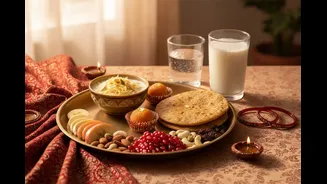
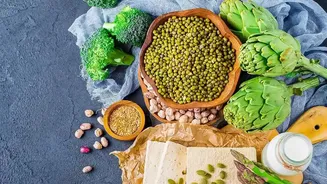
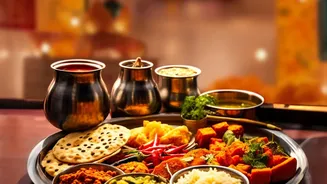
Preparation is key to a smooth fast, and it all begins with 'Sargi', the pre-dawn meal. This meal, often given by a mother-in-law, is designed to provide sustained energy and hydration. To make it through the day, focus on a balanced plate. Include complex carbohydrates like whole-wheat roti or oats, which release energy slowly. Pair this with protein from sources like paneer or curd to keep you feeling full. A handful of nuts and seeds provide healthy fats, while fruits with high water content—like apples, oranges, or pomegranates—contribute to hydration. It’s also wise to drink plenty of water, coconut water, or milk during Sargi, but avoid overly salty, spicy, or fried foods, as they can increase thirst later in the day.
Navigating the Fasting Hours
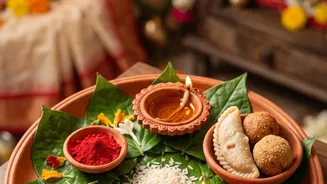
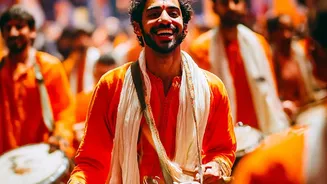
The day can feel long, especially for a first-timer. The key is to conserve your energy. Avoid strenuous physical activity and try to stay out of direct sun to prevent dehydration and fatigue. Rest when you feel the need to. Engaging in light, distracting activities can also help. Many women spend the day preparing for the evening puja, applying mehendi, or participating in community rituals where they sing songs and listen to the Karwa Chauth katha (story). This sense of community and shared experience can make the fast feel less arduous. Keep your mind focused on the positive and spiritual aspects of the day to help pass the time.
Health First: Is It Safe for Everyone?
While Karwa Chauth is a cherished tradition, health must always be the priority. A strict nirjala fast is not recommended for everyone. Pregnant or breastfeeding women are generally advised to avoid a no-water fast, as their hydration needs are significantly higher. Similarly, individuals with health conditions like diabetes, high or low blood pressure, or kidney issues should consult their doctor before attempting the fast. Many traditions allow for modifications, such as a 'phalahar' fast where fruits and liquids are permitted. If you feel dizzy, severely weak, or unwell at any point, it's crucial to break the fast. The spirit of the festival is love and wellbeingingness which includes your own.
Breaking the Fast Gently
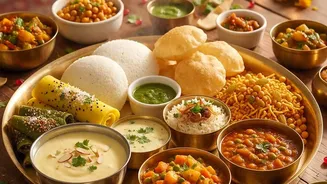
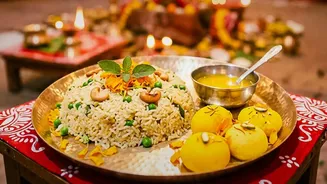
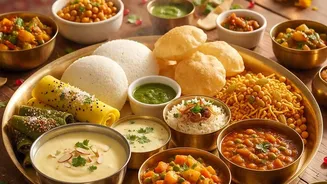
After the moonrise rituals, how you break your fast is just as important as how you kept it. Your digestive system has been resting all day, so it's best to ease back into eating. Start by sipping water slowly, not gulping it down. Coconut water or a light lemonade can also help replenish electrolytes. Follow this with something light and easy to digest, like a few dates or a piece of fruit. Avoid jumping straight to heavy, oily, or spicy foods than this can cause acidity or bloating. A simple nourishing meal like khichdi or dal with rice is an ideal choice for your first meal after the fast.