




The Problem with Prolonged Sitting
While it may seem harmless, sitting for extended periods puts your body into a state of muscular disharmony. Certain muscles become tight and overactive while others become weak and dormant. This imbalance is a primary cause of postural problems and chronic
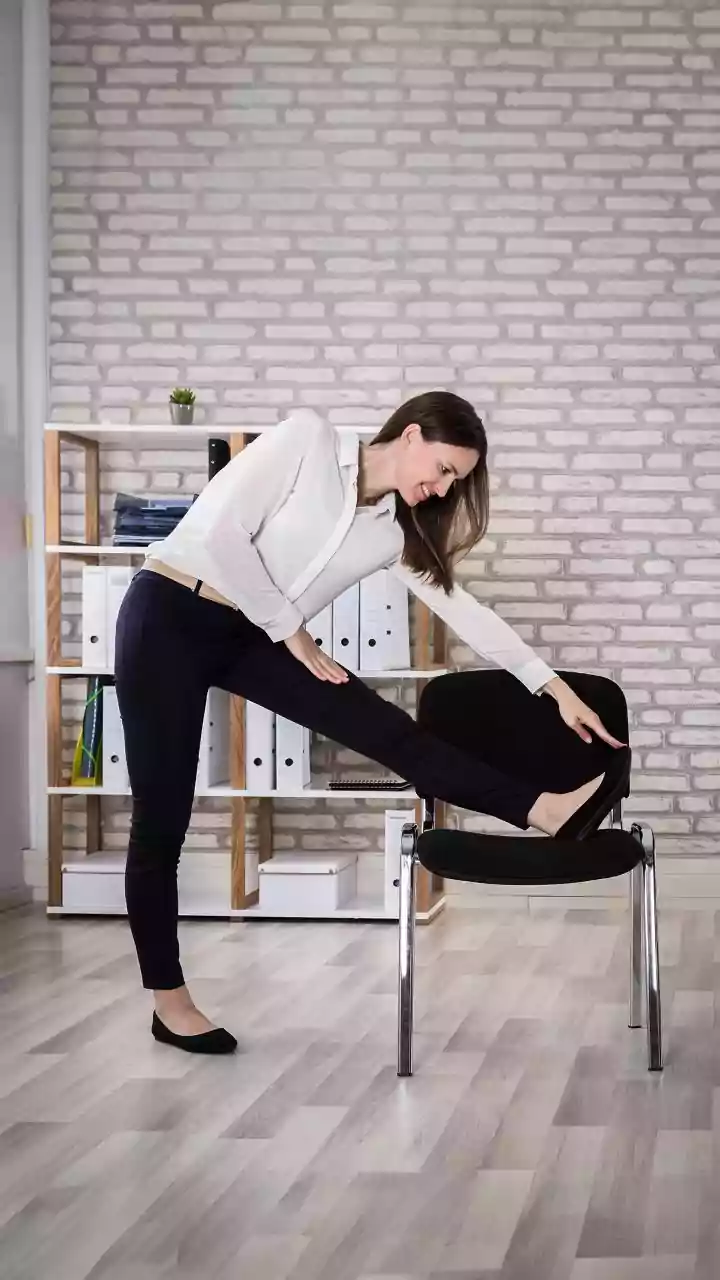
pain. When you're seated, your hip flexors are in a shortened position, causing them to become tight. Simultaneously, your gluteal muscles, which should be among your body's most powerful, essentially switch off. This can lead to an unstable pelvis and force other muscles, like those in your lower back, to overcompensate, resulting in pain. Up top, a similar issue occurs. We often slouch, which tightens the chest muscles and weakens the muscles of the upper back. This contributes to rounded shoulders and that all-too-common neck and shoulder tension.
The Reverse Plank: Re-engaging Your Posterior
The reverse plank is a powerful antidote to the 'sitting posture'. Unlike a traditional plank, you face upward, which fundamentally changes the muscles being worked. This exercise is a champion for the posterior chain—the group of muscles on the backside of your body, including your glutes, hamstrings, and spinal erectors. By lifting your hips into a straight line, you are actively contracting and strengthening the very muscles that become weak and underused from sitting. At the same time, the reverse plank provides a fantastic stretch for the front of your body. It opens up your chest and the fronts of your shoulders, directly countering the rounded, hunched posture many of us adopt at our desks. This dual action of strengthening the back of the body while stretching the front makes it incredibly efficient for postural correction.
How to Master the Reverse Plank
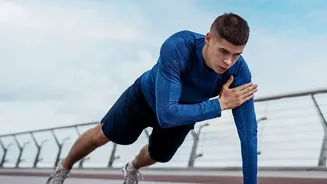
Proper form is crucial to get the benefits and avoid strain. Start by sitting on the floor with your legs extended in front of you. Place your hands on the floor just behind and outside your hips, with your fingertips pointing toward your feet. Press firmly through your palms and heels, engage your glutes, and lift your hips toward the ceiling. Your goal is to form a straight line from your heels to your shoulders. Keep your chest lifted and your core braced. Avoid letting your hips sag. If a full reverse plank is too challenging, start with a reverse tabletop position by bending your knees and placing your feet flat on the floor before lifting your hips. Hold the position for 20-30 seconds, focusing on steady breathing, and perform 2-3 sets.
The Side Hold: Building Lateral Strength
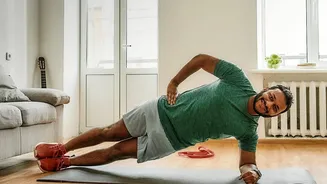
While the reverse plank targets the front-to-back imbalances, the side hold, or side plank, addresses another crucial area: lateral stability. The side plank is one of the best exercises for strengthening the oblique muscles, which run along the sides of your core. These muscles, along with deep spinal stabilizers like the quadratus lumborum, play a key role in protecting your spine and maintaining pelvic stability. When you sit, these lateral stabilizers often don't get the engagement they need, which can contribute to lower back pain and poor balance. Regularly performing side planks ensures these muscles are strong and functional, creating a supportive corset around your midsection that improves posture and reduces the risk of injury.
Perfecting Your Side Hold Form
To perform a side hold, lie on your side with your legs straight. Place your elbow directly beneath your shoulder and prop your body up on your forearm. Engage your core and lift your hips until your body forms a straight line from your ankles to your head. Don't let your hips drop. The muscles primarily engaged should be along the side of your torso. If the full version is too difficult, you can modify it by bending your knees and lifting from your knees instead of your feet. As you get stronger, you can progress the exercise by lifting your top leg or arm. Aim to hold for 30-60 seconds on each side for 2-3 sets.