




Why Fragrance Matters
Before we dive into the 'what', let's consider the 'why'. A garden that engages more than just the eyes becomes a truly immersive experience. Fragrance has a powerful connection to memory and emotion. The scent of jasmine after a summer rain or the fresh
zest of mint can instantly lift your spirits, reduce stress, and create a welcoming atmosphere. Building your balcony garden around fragrance is about curating an experience—a daily dose of aromatherapy right outside your door. It transforms a simple collection of plants into a sensory haven.
The Stars of the Show: Fragrant Flowers
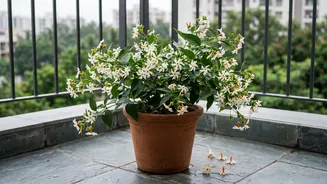
These are the showstoppers, the plants whose primary job is to fill your space with perfume. For an Indian balcony, you are spoilt for choice with flowers that thrive in pots. Start with one or two of these classics: Mogra (Arabian Jasmine): The quintessential Indian fragrant flower, Mogra releases an intoxicatingly sweet scent that intensifies in the evening. It's perfect for pots, loves sunshine, and rewards regular watering with beautiful white blooms. Raat Ki Rani (Night-blooming Jasmine): True to its name, this plant is a nocturnal wonder. The tiny flowers release a powerful, far-reaching fragrance throughout the night. It needs good sunlight and can get bushy, so don't be afraid to prune it to keep it happy in a container. Rajnigandha (Tuberose): Known for its long-lasting and luxurious scent, Rajnigandha grows from bulbs and produces tall spikes of white, waxy flowers. The fragrance is rich and captivating, making it a popular choice for perfumery and, luckily for us, for pots on the patio.
The Supporting Cast: Aromatic Herbs
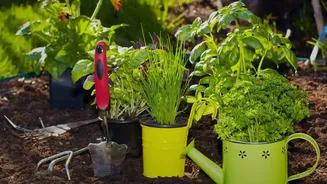
A truly great fragrant garden has layers. Complement your flowering superstars with aromatic herbs. These plants release their scent when you brush past them or crush a leaf, adding an interactive and often useful element to your balcony. Mint (Pudina): Incredibly easy to grow, mint provides a cool, refreshing aroma that also helps deter pests like mosquitoes. It's best grown in its own pot as it tends to spread aggressively. A fresh supply for your chai or chutney is a wonderful bonus. Tulsi (Holy Basil): A staple in many Indian homes for its cultural and medicinal significance, Tulsi also has a lovely, distinct fragrance. It purifies the air and is easy to maintain in a pot with adequate sunlight and regular watering. Lemon Grass: This hardy grass adds a fresh, citrusy note to your garden. The scent is released when the leaves are bruised. It loves the sun and is also a fantastic ingredient for teas and Asian cooking.
Design and Arrangement
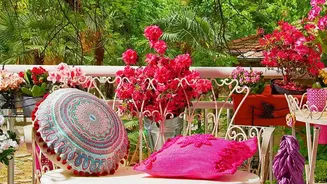
Creating a fragrant garden is like composing music; the arrangement is key. Don't just place pots randomly. Think about how to create a journey of scent. Place the most intensely fragrant plants, like Raat Ki Rani, where their scent can waft indoors on the evening breeze. Arrange pots in tiers, with taller plants at the back and shorter herbs like mint at the front, where you can easily reach them. Consider the bloom times. A gardening expert's secret is to choose plants that flower at different times of the year, ensuring your balcony is never without a pleasant aroma. Mixing flowers and herbs in your display can also create a visually attractive and olfactorily complex garden.
Essential Care for Potted Plants
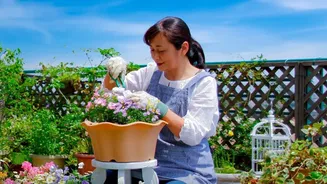
A balcony garden is a micro-environment. Pots can dry out faster than garden beds, especially in the Indian sun. Use good quality potting mix that drains well. Check the soil moisture daily by touching it; water when the top inch feels dry. Most fragrant flowering plants are sun-worshippers, so ensure they get at least 4-6 hours of direct sunlight. Rotate the pots every few weeks so all sides of the plant get light. Feed your plants with a balanced liquid fertiliser every few weeks during their growing season to encourage lush foliage and abundant, fragrant blooms. Pruning after a blooming season can also encourage a bigger burst of flowers next time.