







The Bakery as a Statement Piece
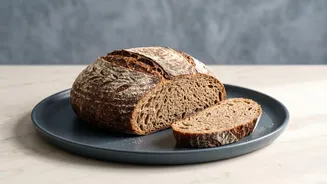
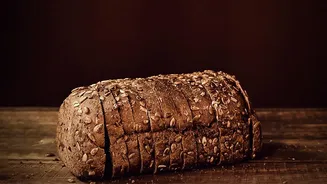
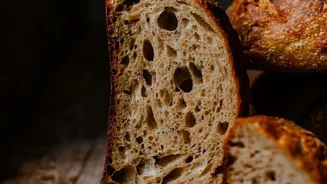
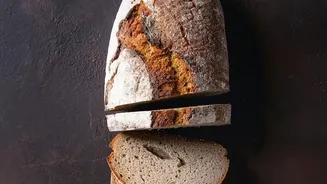
The loaf in question comes from Rye by Martin Auer, the first U.S. location for an Austrian bakery chain with a long family history. Located on a prime block in SoHo, the bakery itself feels less like a cozy neighborhood spot and more like a luxury boutique.
With minimalist gray walls, a long wooden counter, and staff in chic uniforms, the space has been compared to an Apple store or a high-end fashion house. This isn't accidental. The entire experience is designed to feel exclusive, turning the act of buying bread into a memorable, status-driven event. It’s a strategy built for social media, where the shock of the price tag generates its own viral marketing.
Deconstructing the Cost
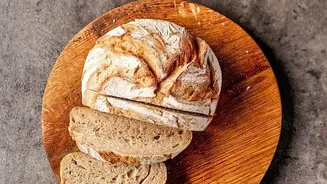
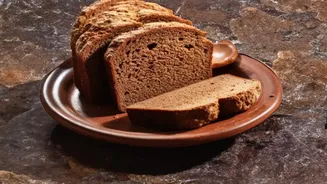
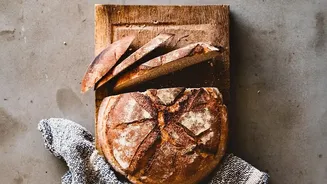
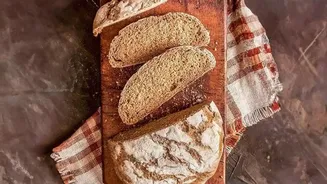
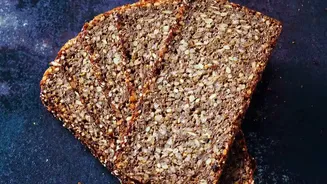
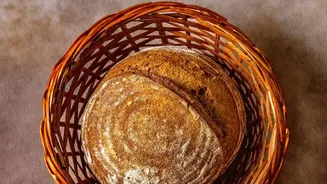
So, what goes into a $60 price tag? According to the bakery's owners, it's a combination of four key elements: ingredients, time, labor, and location. The flour is a special organic rye imported directly from Austria. The recipe itself is deceptively simple—flour, water, salt, and the all-important fourth ingredient: time. The process involves a sourdough starter that requires daily feeding and a 24-hour fermentation period before the dough is even made. After mixing, the dough goes through multiple fermentation and shaping stages before being baked and then rested for about 12 hours before it can be sold. This multi-day process is incredibly labor-intensive. Add to that the astronomical rent of a SoHo storefront, and the costs quickly add up.
Is It Worth It? The Great Debate
The reaction to the loaf has been predictably divided. Many culinary professionals and social media commentators have criticized the price, arguing that bread is a staple food that should be accessible, not a luxury item for the wealthy. Critics point out that even with imported flour and high rent, the price seems exorbitant, especially when the same loaf from the same company sells for the equivalent of about $16 in Austria. However, defenders of the loaf argue that the criticism misses the point. Gadi Peleg, founder of the acclaimed Breads Bakery, called the bread "amazing" and praised the baker, Martin Auer, as a "rye genius". They also note that the loaf is unusually large, weighing over three pounds, and can be purchased in smaller, more affordable portions—a quarter loaf is $15.
More Than Just Bread
Ultimately, the $60 loaf is more than just food; it's a conversation piece. It represents a specific type of New York consumer culture, where exclusivity and story are as valuable as the product itself. For many customers, the purchase is an experience—a chance to try something unique that everyone is talking about. It taps into the tension that defines the city: a place of both gritty accessibility and outrageous luxury. While many New Yorkers will continue to buy their excellent, and much cheaper, rye bread from neighborhood bakeries in Brooklyn or Queens, others will line up in SoHo. For them, they aren't just buying a loaf of bread. They're buying a story, a status symbol, and a taste of one of the city's most talked-about culinary moments.