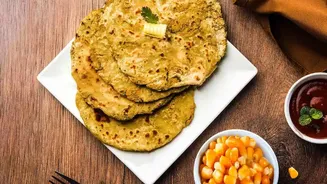





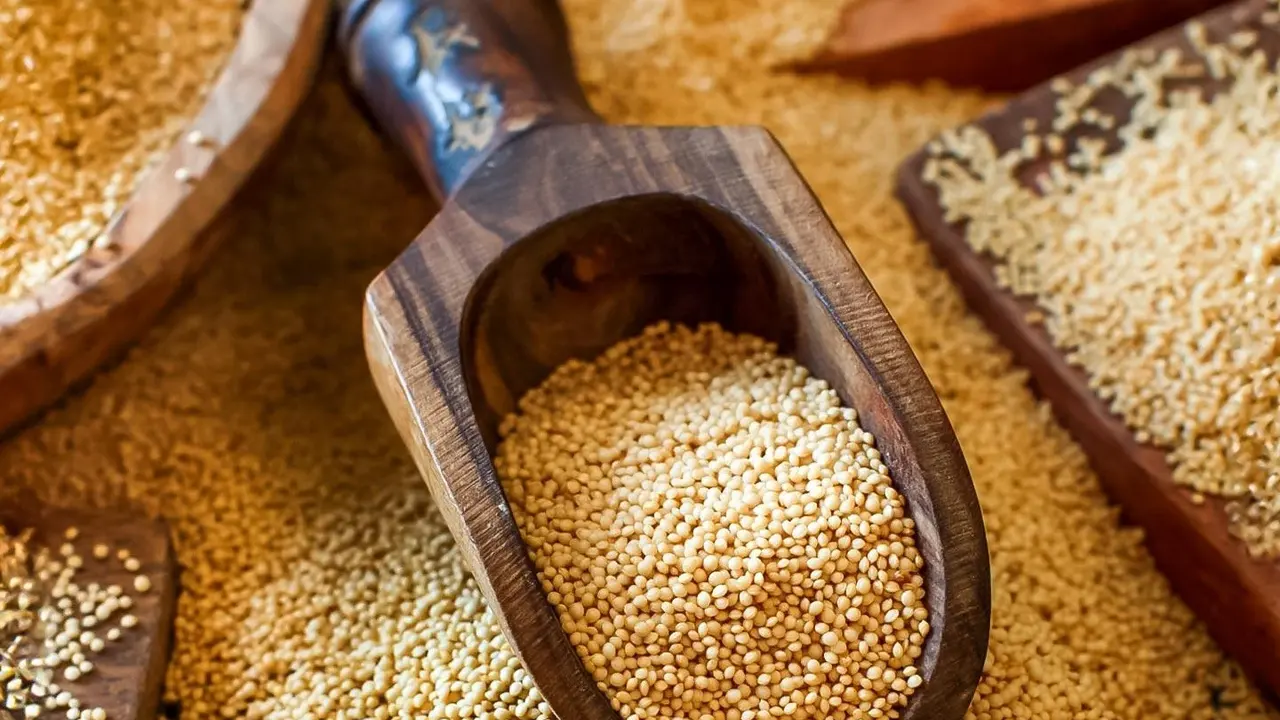

As winter settles in, the comforting aroma of warm, earthy bajra rotlas fills kitchens across India. This traditional staple is more than just comfort food; it's a nutritional powerhouse, especially valued for its high dietary fibre content.
The Fibre Factor in Bajra
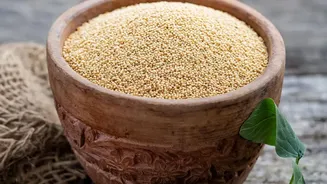
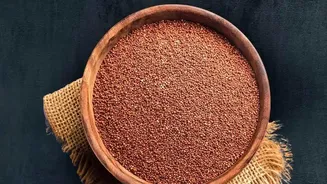
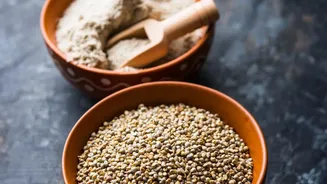
Bajra, or
pearl millet, is celebrated for its impressive dietary fibre content. A 100-gram serving can contain around 8 to 11.5 grams of fibre, a significant portion of your daily needs. This fibre is predominantly insoluble, which means it doesn't dissolve in water. Instead, it acts like a natural 'broom' for your digestive system, adding bulk to stool and promoting regular bowel movements. This is particularly beneficial during winter when a slower metabolism can sometimes lead to digestive sluggishness and constipation. The high fibre content also contributes to a feeling of fullness, which can help prevent the overeating often associated with colder months.
A Natural Winter Warmer
There's a reason bajra is traditionally consumed during winter. Its nutritional profile makes it a 'warming' food. The body uses more energy to digest the dense complex carbohydrates and fibre in bajra, a process which generates heat and helps maintain body temperature in cold weather. This thermogenic effect, combined with the slow release of energy, keeps you feeling warm and energized for longer periods, effectively fighting off the lethargy that can set in on chilly days. This makes bajra rotla an ideal meal to provide sustained warmth and stamina.
Beyond Fibre: A Nutrient Powerhouse
While fibre is a major highlight, bajra's benefits don't stop there. It's a naturally gluten-free grain, making it an excellent choice for individuals with celiac disease or gluten sensitivity. It is also rich in essential minerals. Bajra is a fantastic plant-based source of iron, containing significantly more than wheat, which is crucial for preventing fatigue and anaemia. Furthermore, it is packed with magnesium, which supports heart and nerve function, and phosphorus, which is vital for strong bones. With a protein content of around 11 grams per 100 grams, it's also a valuable protein source, especially for vegetarian diets.
Balancing Blood Sugar Levels
For those managing blood sugar, bajra is an intelligent choice. It has a low to medium glycemic index (GI), typically around 54. This means the carbohydrates in bajra are digested and absorbed more slowly, leading to a gradual release of glucose into the bloodstream rather than a sharp spike. The high fibre content plays a key role in this process, slowing down digestion and helping to maintain stable energy levels. This makes bajra roti a suitable and beneficial food for people with diabetes when consumed as part of a balanced meal.
Making the Perfect Bajra Rotla
Working with bajra flour can seem intimidating as it lacks the gluten that makes wheat dough elastic. The key is to use warm water to knead the dough, which makes it more pliable. Knead it well until it's smooth and soft. Traditionally, the rotla is shaped by hand by patting it between your palms, but you can also place the dough ball between two sheets of parchment paper and gently press or roll it out. Cook it on a hot tawa (griddle) on both sides until it's cooked through and has brown spots. A final puff over an open flame makes it wonderfully soft. Enjoy it hot, traditionally served with a dollop of white butter or ghee and a piece of jaggery.