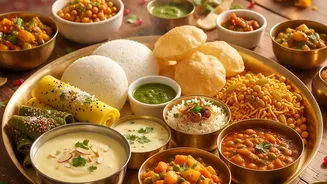



As married women prepare for Karwa Chauth on October 29, 2026, the focus turns to Sargi. But the belief that certain foods can prevent dehydration during a nirjala fast is a myth that needs a closer look for a safe and healthy observance.
The Dehydration Myth
The pre-dawn
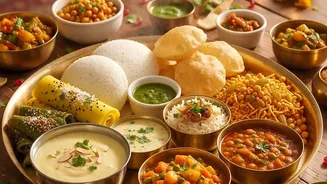
meal of Sargi is a cherished tradition, meant to provide sustenance for the day-long nirjala fast (a fast without food or water). Many believe that eating specific foods can entirely ward off dehydration. However, nutritionists and health experts caution against this idea. While certain foods are more hydrating than others, no meal can completely prevent dehydration when you abstain from water for over 12-15 hours. The body continuously loses water through breathing, perspiration, and other metabolic functions. A single meal, no matter how well-planned, cannot replace this ongoing fluid loss. The goal of a smart Sargi is not to 'prevent' dehydration but to start the fast in the best possible state of hydration and to maintain energy levels.
Building a Better Sargi Thali
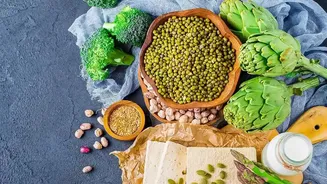
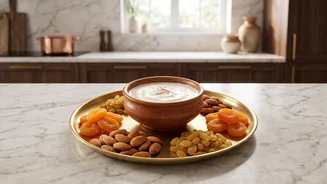
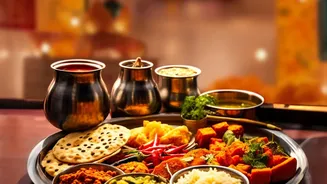
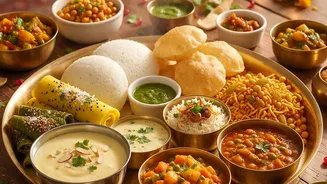
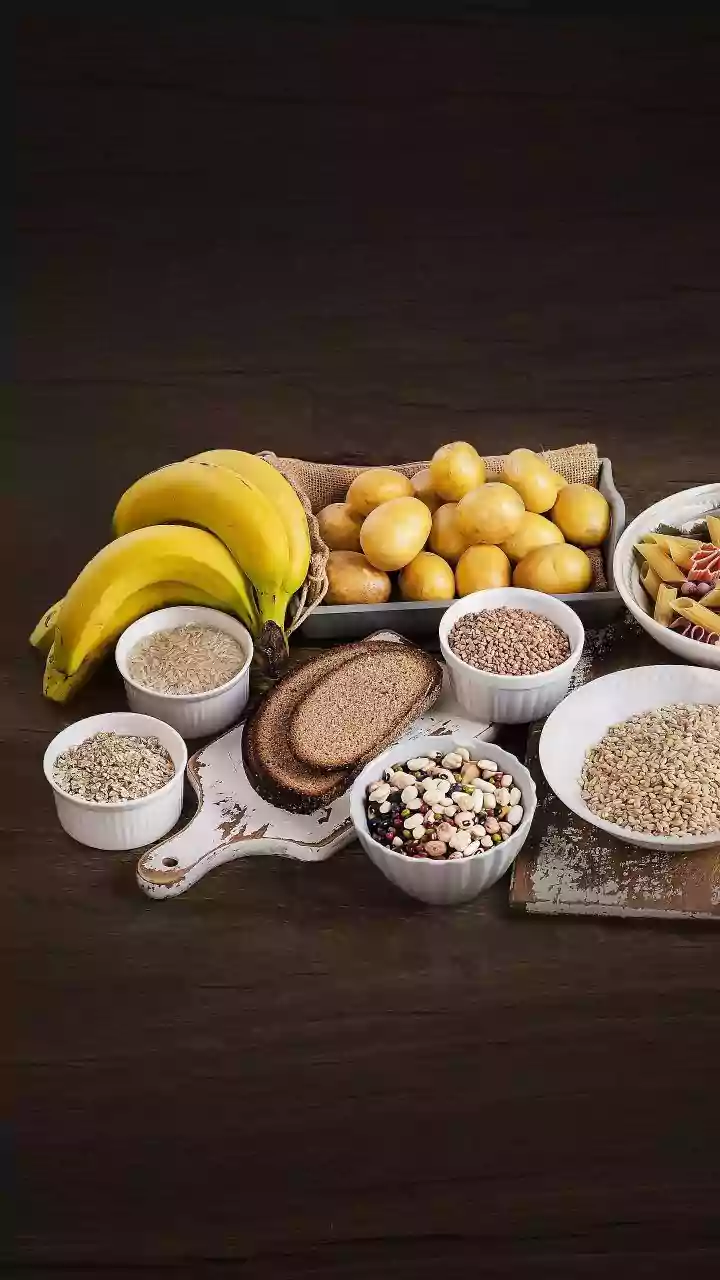
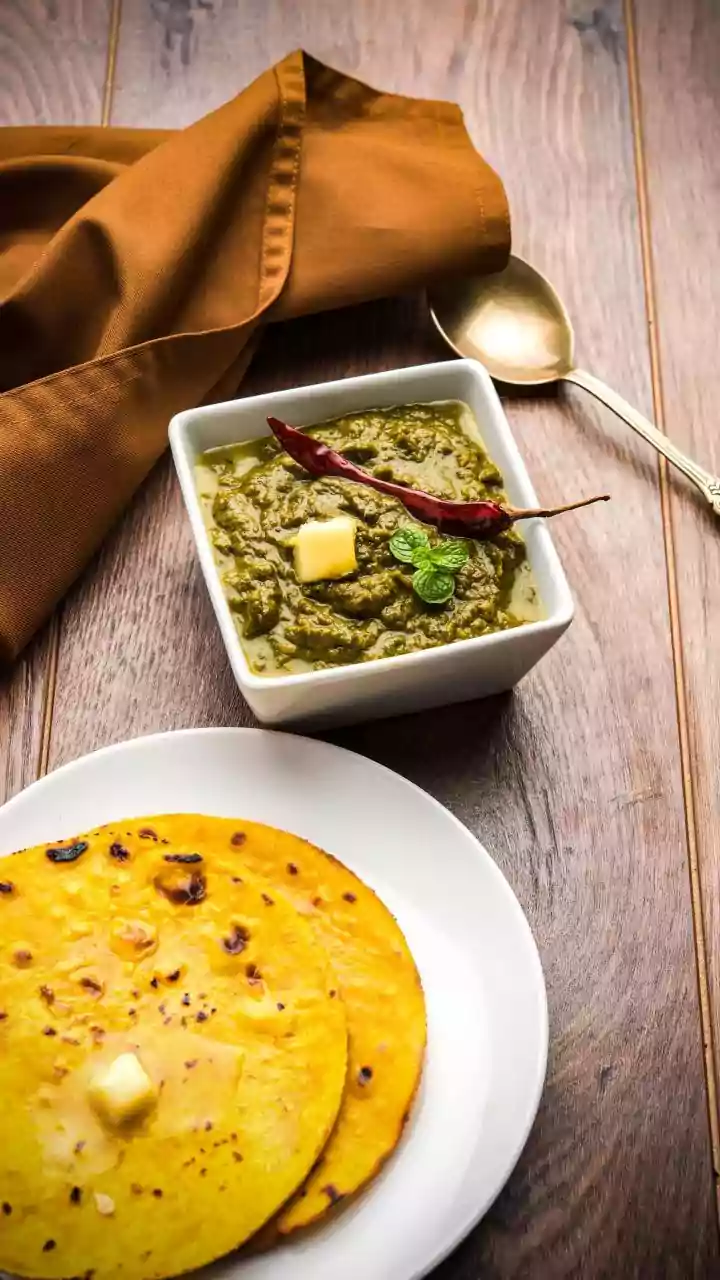
A balanced Sargi is crucial for a comfortable fast. Instead of focusing on one 'miracle' food, aim for a combination of nutrients that provide sustained energy and help your body retain fluids for longer. A well-rounded thali should include complex carbohydrates, high-quality protein, healthy fats, and water-rich foods. Complex carbs like oats, whole-wheat paratha, or daliya release energy slowly, preventing the sugar crashes associated with sweets. Proteins from sources like paneer or curd help you feel full for longer and stabilize energy. Healthy fats from nuts and seeds also contribute to satiety.
Hydrating Foods to Include
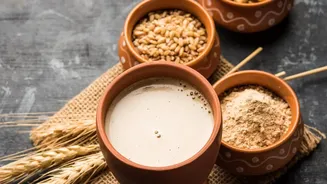
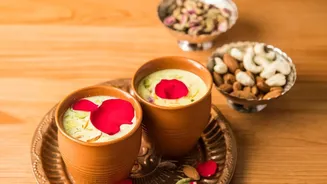
While no food is a substitute for water, some choices are better than others at boosting your pre-fast hydration levels. Incorporate fruits with high water content like watermelon, cucumber, oranges, and pomegranates. These not only provide fluids but also essential vitamins and electrolytes. Coconut water is an excellent choice to drink with your Sargi as it's rich in electrolytes like potassium, which helps regulate fluid balance in the body. A bowl of plain curd or a glass of milk or buttermilk also contributes to both hydration and protein intake.
What to Strictly Avoid
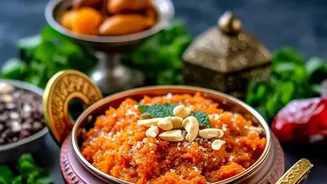
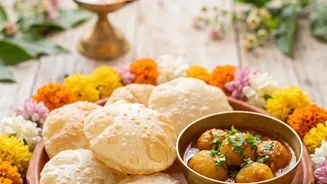
Just as important as what you eat is what you avoid. Certain foods can actively work against your hydration goals. Steer clear of excessively salty items like pickles, fried mathris, and chips, as sodium increases thirst. Highly processed and sugary foods, including mithai and pastries, cause a rapid spike in blood sugar followed by a crash, leaving you feeling tired and hungry sooner. Caffeinated beverages like tea and coffee have a diuretic effect, meaning they can cause you to lose more fluids. It is also wise to avoid very spicy or heavily fried foods, as they can cause acidity and discomfort on an empty stomach later in the day.
Tips for a Healthy Fasting Day
Managing the fast goes beyond the Sargi meal. It's important to listen to your body throughout the day. Try to stay indoors in a cool environment and avoid strenuous physical activity that can lead to excess sweating and fluid loss. Prepare for breaking the fast with a gentle approach. Instead of consuming a large, heavy meal immediately after moonrise, start with a few sips of water. Follow this with coconut water or a light, nutritious food like a date or a piece of fruit. This allows your digestive system to ease back into action after a long period of rest, preventing bloating and discomfort.