



The Anatomy of a Flash Flood
Unlike river floods that build slowly over days as water levels gradually rise, a flash flood is defined by its speed. It typically occurs within three to six hours of its trigger, which is often intense, heavy rainfall. However, they can also be caused
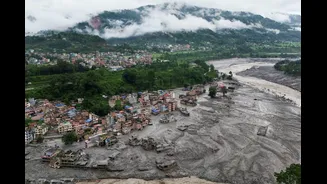
by the failure of a dam or levee, or the sudden release of water from a blockage like an ice jam or landslide. The defining characteristic is the rapid rise in water level, creating a violent, fast-moving wall of water that can sweep away everything in its path. This speed leaves little to no time for warnings, making flash floods particularly deadly compared to slower-moving river floods which tend to cause more property damage.
A Land of Extremes
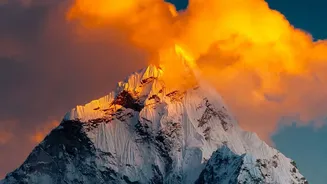
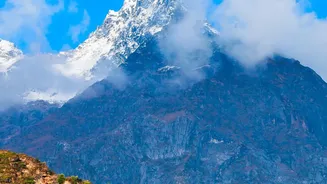
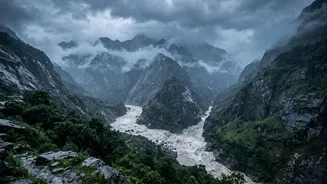
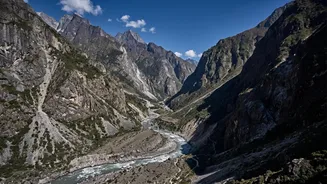
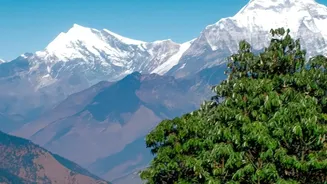
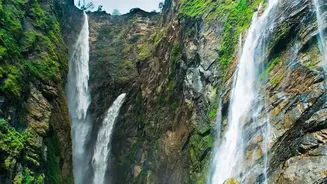
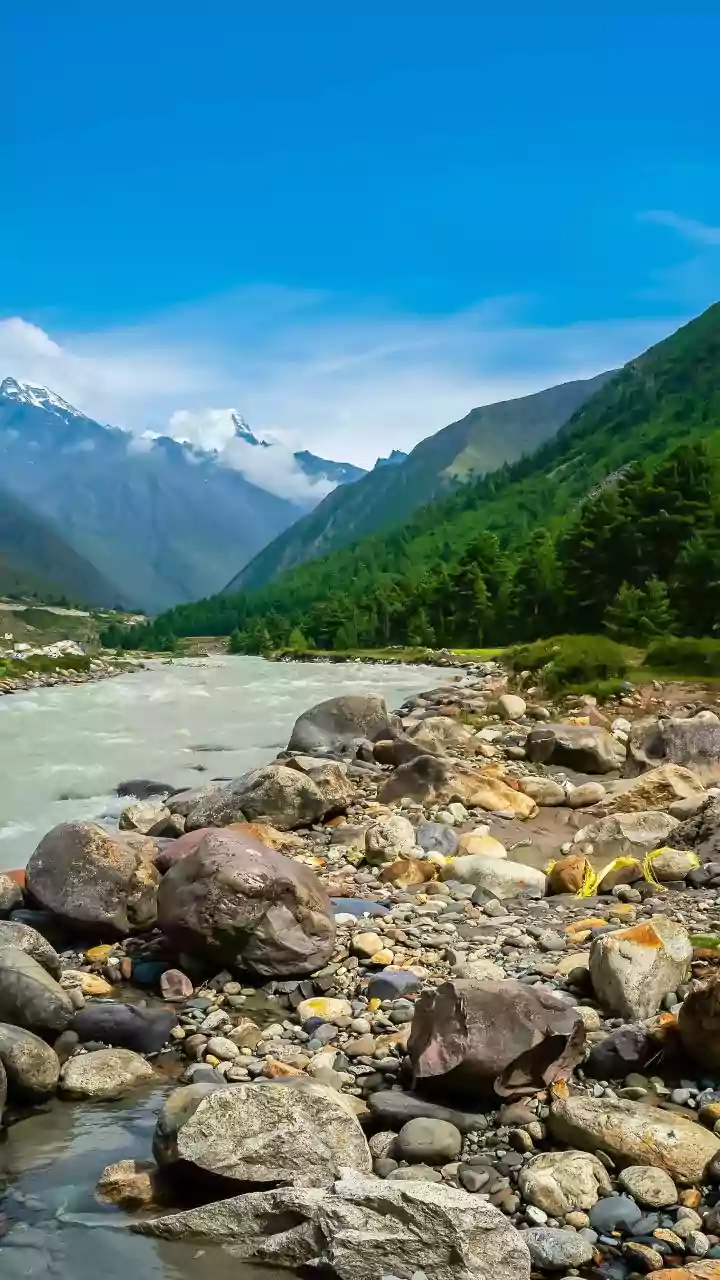
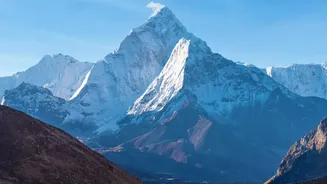
Nepal's very geography creates a natural predisposition to flash floods. The country is home to some of the world's highest mountains and steepest slopes, which plummet into deep, narrow river valleys. This topography acts as a massive funnel; when heavy monsoon rains fall, the water has nowhere to go but down, accelerating rapidly as it rushes through these gorges. The country’s thousands of rivers, many originating high in the Himalayas, can quickly transform from trickles to torrents. This geologically active and rugged landscape means that emergency response is also incredibly difficult, as roads and bridges are often the first things to be destroyed, isolating entire communities.
The Accelerating Threat of Climate Change
Climate change is adding a dangerous new dimension to Nepal's flood risk. The Himalayas are warming at a rate nearly twice the global average. This has two major consequences. First, it is accelerating the melting of glaciers, which has led to the formation and expansion of glacial lakes. These lakes are often held back by unstable natural dams of rock and soil, called moraines. If these dams break, they can release an enormous volume of water in what is known as a Glacial Lake Outburst Flood (GLOF), a type of flash flood with catastrophic power. Dozens of such events have been recorded in Nepal. Second, a warmer atmosphere holds more moisture, making monsoon rainfall more intense and unpredictable, increasing the likelihood of cloudbursts that overwhelm the landscape.
Human Factors and Fragile Infrastructure
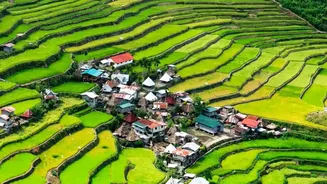
Natural forces are compounded by human activity. Rapid and often unplanned urbanization has led to widespread deforestation, which removes the trees and soil that naturally absorb heavy rain and hold slopes together. In places like the Kathmandu Valley, absorbent natural ground has been replaced by concrete, increasing surface runoff and overwhelming drainage systems. Furthermore, many communities and vital pieces of infrastructure—homes, roads, bridges, and hydropower plants—have been built directly on floodplains or along river corridors. This not only puts more people and property in harm's way but can also constrict river channels, making floods even worse. When disaster strikes, this poorly placed infrastructure is often swept away, causing massive economic damage and hindering rescue efforts.
The Challenge of Prediction
A key challenge in mitigating flash flood risk in Nepal is the difficulty of prediction. Many flash floods, especially those triggered by landslides or glacial collapses, happen with no prior rainfall, defeating most conventional flood warning systems. The complex and remote terrain makes installing and maintaining sophisticated, real-time monitoring equipment for glacial lakes and unstable slopes incredibly difficult and expensive. While progress is being made on early warning systems, they do not yet cover all at-risk areas. For the many vulnerable communities living in remote mountain valleys, a sudden surge of water can arrive with no warning, leaving them with no time to escape to higher ground. This combination of extreme geography, a changing climate, and developmental challenges creates a perfect storm of vulnerability for the nation.