




The Fasting Nutrition Challenge
During religious and festive fasts, the dietary rules are strict, often excluding staples like wheat, rice, and lentils. This can lead many to rely on high-calorie, low-nutrient options such as fried potatoes or sugary sweets. While these provide a quick
burst of energy, they are often followed by a slump, leaving you feeling tired and sluggish. The key to a healthy fast lies in choosing foods that provide sustained energy, essential nutrients, and keep you feeling full and hydrated. This is where the humble combination of curd with specific fasting grains comes in, offering a simple solution to a common problem.
The Cooling Power of Curd
Curd, or dahi, is a staple in Indian households and a powerhouse of nutrition, especially during a fast. It's an excellent source of high-quality protein, which helps in maintaining muscle mass and keeps you satiated for longer. Its calcium content is vital for bone health. More importantly, curd is a natural probiotic, promoting a healthy gut microbiome which is crucial for good digestion, especially when your diet changes during a fast. Its cooling properties also help in keeping the body hydrated and comfortable, counteracting the heat-generating effects of some fasting foods.
Rajgira: The Royal Grain of Fasting
Rajgira, also known as amaranth or Ramdana, is not a true cereal but a pseudo-cereal, which is why it is permitted during most fasts. This tiny grain is a nutritional giant. It's packed with high-quality, complete protein, containing all essential amino acids. Rajgira is also rich in dietary fibre, which aids digestion and provides a feeling of fullness, preventing overeating. Furthermore, it is a great source of minerals like iron, magnesium, and phosphorus, which are essential for maintaining energy levels and fighting off fatigue during a fast. Being naturally gluten-free, it is light on the digestive system.
Samak: The Humble Millet Hero
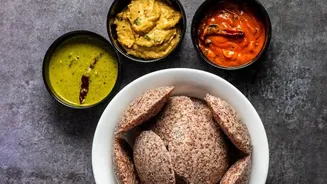
Samak, also known as barnyard millet, is another excellent fasting grain. Despite its name 'samak rice', it's not a type of rice but a gluten-free millet that is light and easy to digest. One of its most significant benefits is its low glycemic index, which means it releases sugar into the bloodstream slowly. This ensures a steady supply of energy and prevents the sharp spikes and crashes in blood sugar levels often associated with refined carbohydrates. Samak is also high in fibre, which supports digestive health and contributes to satiety. Its rich nutrient profile includes iron and magnesium, making it a valuable addition to a fasting diet.
Creating the Perfect Balance
The magic happens when you combine these ingredients. Pairing curd with either rajgira or samak creates a perfectly balanced meal. The complex carbohydrates from the grains provide sustained energy, while the protein from both the curd and the grains keeps you full and supports your body. The fibre from the grains and the probiotics from the curd work together to ensure your digestive system runs smoothly. This combination delivers a mix of macronutrients (protein, carbs, fat) and essential micronutrients, helping you navigate your fast without compromising on your health and well-being.
Simple, Energising Meal Ideas
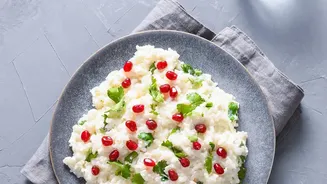
Bringing this balanced plate to life is simple. You can prepare a soft dough with rajgira atta (amaranth flour), mashed potato, and spices to make rotis or parathas, which can be served with a bowl of plain or lightly spiced curd. Another idea is a Rajgira kadhi, where the flour is blended with yogurt to create a creamy, tangy curry. For samak, you can cook it like a pulao or khichdi with fasting-approved vegetables and serve it with a side of refreshing cucumber raita. A samak curd rice, tempered with ghee, cumin seeds, and peanuts, is another delicious and gut-friendly option. These meals are not only compliant with fasting rules but are also delicious, wholesome, and incredibly nourishing.