




The Grand Plan for India
Hyundai Motor India has made its intentions clear: it wants to solidify its position as a dominant force in the Indian automotive market. While its current lineup, featuring stalwarts like the Creta and Venue, continues to perform well, the company's
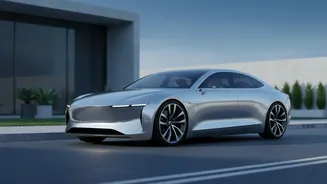
2026 strategy is about pre-empting market shifts. The publicly known parts of this plan include a multi-billion dollar investment in manufacturing, a major push into electric vehicles, and periodic refreshes of its most popular models. The company has multiple new cars planned, with a significant focus on SUVs and EVs to counter the growing influence of domestic players like Tata Motors and Mahindra. Known launches and updates include facelifts for existing models and potentially the IONIQ 6 electric sedan. But it’s the deliberate silence around two specific product slots that has analysts and car enthusiasts buzzing.
Mystery #1: The Mass-Market EV
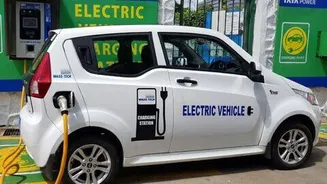
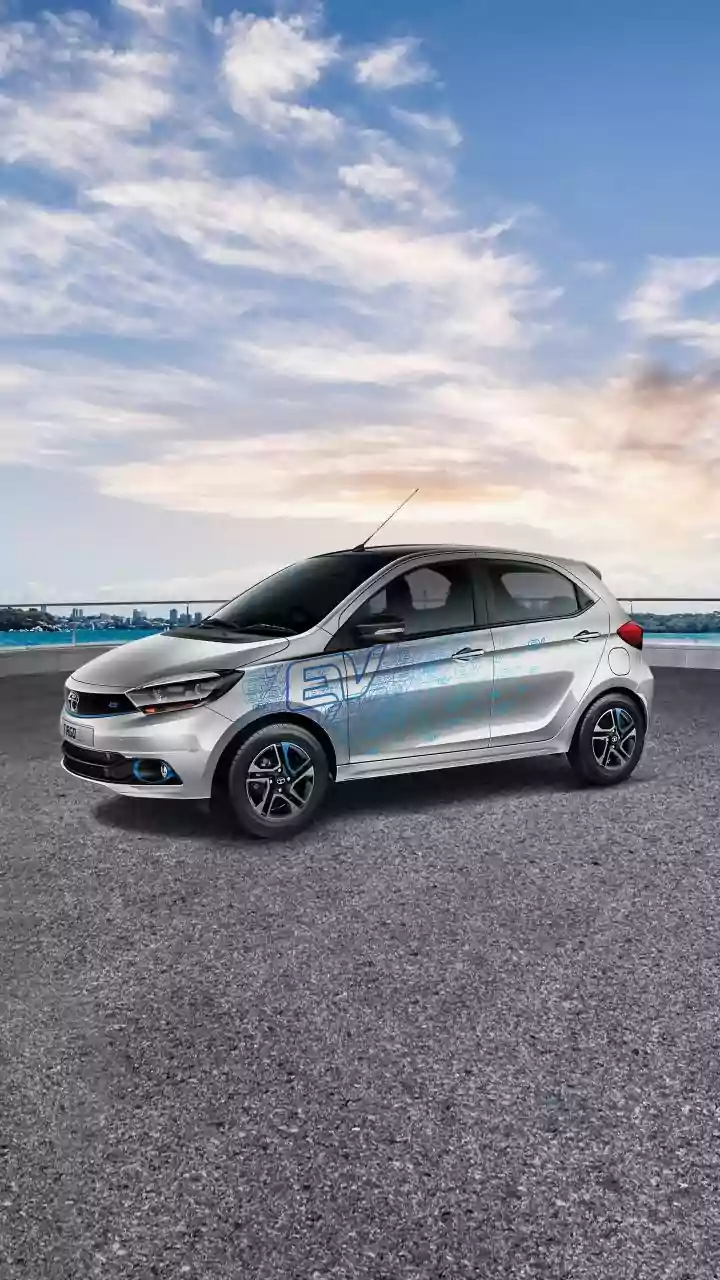
The first unrevealed model is almost certainly a made-for-India electric vehicle designed for the masses. While Hyundai has the Kona Electric and the premium IONIQ 5, it lacks a high-volume EV to compete directly with the Tata Nexon EV, the current market leader. The Indian government's push for electrification and evolving consumer mindset make this segment too big to ignore. Reports indicate Hyundai is already testing a compact electric SUV in India, built on a modified version of the platform that underpins the Venue. This vehicle would likely aim for a real-world range of 350-400 kilometres and aggressive pricing. Such a model wouldn't just be another car; it would be Hyundai's definitive answer to the question of affordable electric mobility in India and a crucial volume driver for its EV ambitions.
Mystery #2: The Creta Challenger
The second puzzle piece is likely a new SUV designed to slot between the Venue and the blockbuster Creta. This space in the 4.2-meter category is becoming a new battleground. A model codenamed BC4i, which is believed to be an India-specific version of the Bayon SUV, has been spotted testing extensively. Unlike the international model, the Indian version is expected to have a more upright, traditional SUV design to appeal to local tastes. Positioned as a rival to strong sellers in that niche, this new SUV would give Hyundai a three-pronged attack in the most profitable segment of the market. The strategy appears to be to leave no gap for competitors to exploit. Some reports suggest it might even debut with a factory-fitted CNG option, making it a unique proposition in its class and a direct challenge to the market's core.
Why These Gaps Matter
Filling these two specific slots is not just about expanding a portfolio; it's a strategic masterstroke. A mass-market compact EV would give Hyundai a powerful weapon in the burgeoning electric space, directly challenging Tata's dominance. Meanwhile, a new SUV between the Venue and Creta would fortify its stronghold in the conventional internal combustion engine (ICE) market, a segment that still accounts for the vast majority of sales. This dual approach—attacking both the present (ICE SUVs) and the future (mass-market EVs)—allows Hyundai to hedge its bets while aggressively pursuing growth on all fronts. As buyers increasingly demand more features, better safety, and diverse powertrain options, these two models are designed to meet those expectations head-on, ensuring Hyundai remains a top consideration for a wide spectrum of Indian consumers.