



The Current Situation: A River on the Rise
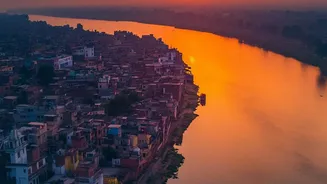
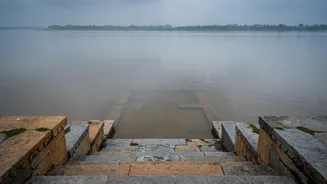
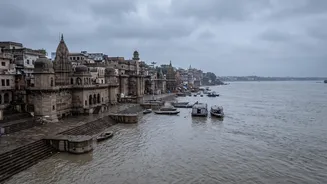
Varanasi is currently on alert as the Ganga river's water level has officially crossed the warning mark. As of early September 2026, the river was recorded at over 70.5 meters, surpassing the warning level of 70.26 meters and creeping closer to the danger
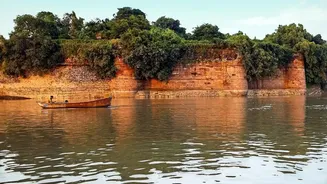
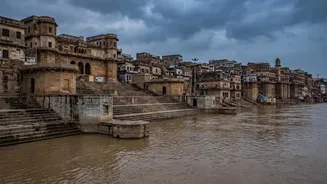
level of 71.26 meters. This surge, fueled by persistent monsoon rains in the region, has led to significant flooding along the city's iconic riverfront. The water is rising at a rate of about 2 centimeters per hour, prompting local authorities to maintain constant vigilance. The India Meteorological Department has forecast more rainfall, which could cause the river to rise further.
How Tourist Activities Are Affected
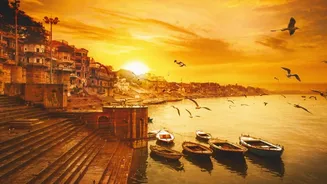
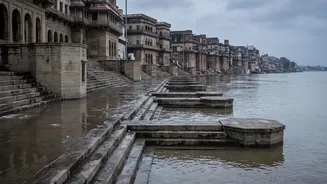
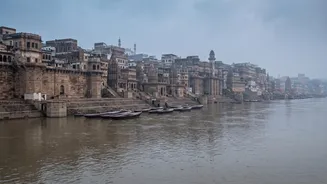
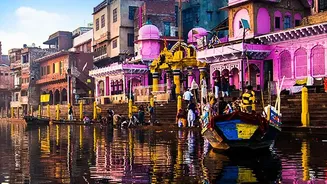
The rising waters have a direct impact on the quintessential Varanasi experience. As a primary safety measure, the district administration has suspended all boat operations in the Ganga. This means the popular sunrise and sunset boat tours that provide panoramic views of the ghats are currently unavailable. Many of the city's 84 ghats—the stone staircases leading to the river—are partially or completely submerged. Access to some areas is restricted, and iconic landmarks like the 'Namaste' sculpture at Namo Ghat are nearly underwater. The famous evening Ganga Aarti ceremony at Dashashwamedh Ghat has reportedly been moved to rooftops or higher ground to accommodate the flooding. Even sacred rites like cremations at Manikarnika Ghat have been relocated to upper terraces, disrupting ancient traditions.
Official Advisories and Safety Measures
Local authorities are actively managing the situation. The District Magistrate has placed officials on high alert, and teams from the National Disaster Response Force (NDRF) are deployed for continuous monitoring and potential rescue operations. Police have been positioned along routes leading to the ghats to prevent visitors from venturing into dangerous, waterlogged areas. The administration has appealed to residents and tourists alike to avoid going near the ghats and to stay away from areas with strong currents. Relief camps have been established for residents displaced from low-lying areas, and a close watch is being kept on the situation as it evolves.
Precautions for Travelers
If you have an upcoming trip to Varanasi, flexibility will be your greatest asset. It's crucial to heed all official warnings and respect any barricades or restricted zones. Do not attempt to walk on submerged ghat steps, which can be incredibly slippery and dangerous. Wear footwear with a strong grip, as many stone paths will be wet. With boat rides suspended, be prepared to explore the ghats from a higher vantage point. Check with your hotel or a local guide for the most up-to-date information on which areas are accessible. Most importantly, never underestimate the power of the river's current during a flood.
Beyond the River: What You Can Still Experience
While the riverfront is the heart of Varanasi, the city's soul extends far beyond the ghats. The monsoon season can offer a unique, less crowded perspective on the spiritual capital. Most temples, including the famous Kashi Vishwanath, remain open and accessible, with some modern corridors providing covered walkways. The labyrinthine alleys of the old city are still a vibrant place to explore, filled with the aroma of hot street food that is particularly enjoyable in the rain. A visit to Sarnath, the nearby Buddhist pilgrimage site, is also a great option, as its ruins and museums are pleasant to visit in overcast weather. The city's rich culture of music, silk weaving, and spiritual discourse continues unabated, offering plenty of rewarding experiences away from the immediate flood zone.