
The Journey Begins
The adventure starts not with a jostling crowd, but with a quiet drive from Manali to the ancient village of Jagatsukh and then onward to the roadhead at Khanol. This is the last brush with civilization before you step into the wilderness of the Kullu
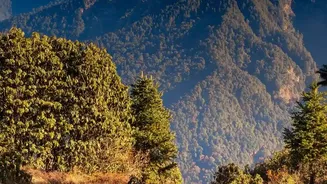
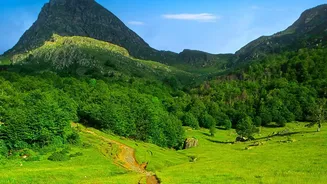
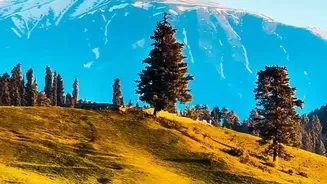
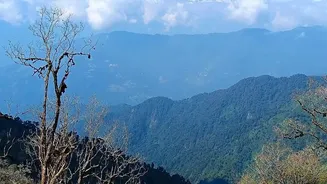
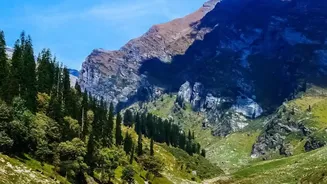
Valley. The first day’s trail winds through dense forests of pine, oak, and deodar, a world away from the town’s hustle. The initial campsite, Chikka, is a reward in itself, set in a clearing that opens up to your first expansive mountain views, with the gentle sound of the Jagatsukh stream nearby. This immediate immersion into nature sets a peaceful tone for the entire journey.
Walking into a Postcard at Seri
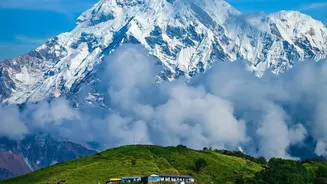
Day two is when the landscape transforms dramatically. Leaving the tree line behind, the trail opens up into Seri, a vast and stunningly flat meadow that was once a glacial lake. This expansive green carpet, dotted with wildflowers and surrounded by snow-dusted peaks and waterfalls, is one of the trek's defining highlights. It's a place to catch your breath and absorb the sheer scale of the Himalayas. The meadow serves as an idyllic campsite, offering unobstructed views and a palpable sense of serenity that is hard to find on more frequented routes like the Hampta Pass.
A Classroom of Glacial Geography
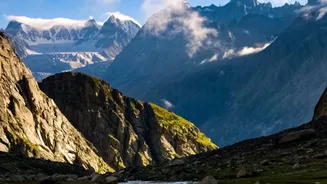
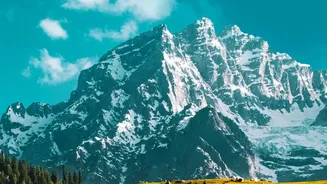
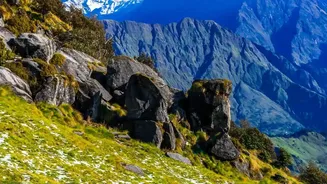
From the soft meadows of Seri, the trek transitions into a more rugged and adventurous phase. The path to the next camp at Tainta becomes a lesson in high-altitude geology. You’ll navigate through fields of moraine—the rocks and sediment left behind by moving glaciers—and cross chilly streams. The imposing sight of Mount Deo Tibba (6,001 metres) and its hanging glaciers remains a constant companion, growing larger with every step. This section is more challenging, demanding a steady pace over rocky terrain, but it rewards trekkers with the raw, powerful beauty of a high-altitude glacial environment.
The Reward: Chota Chandratal and Summit Views
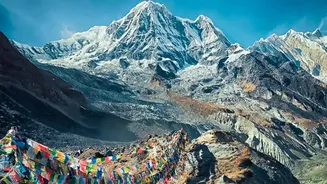
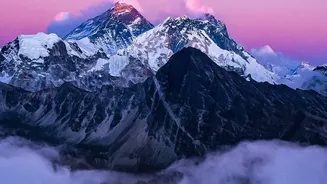
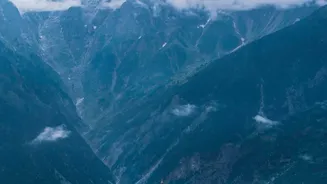
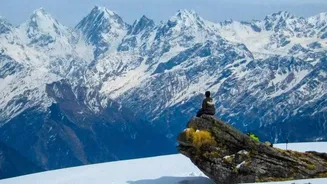
The pinnacle of the trek is the excursion from Tainta to the Deo Tibba Base Camp and the emerald alpine lake, Chota Chandratal. Situated at an altitude of around 4,480 metres, this small, pristine lake sits at the foot of the mighty Deo Tibba massif. Reaching this point offers a profound sense of accomplishment and awe. The panoramic views are breathtaking, encompassing Deo Tibba, the formidable Indrasan peak, and the vast expanse of the Pir Panjal range. It is here, in the quiet solitude of the high Himalayas, that you truly appreciate having traded the crowds for this pristine wilderness.
Is This Trek for You?
The Deo Tibba Base Camp trek is rated as moderate in difficulty. It doesn’t require technical climbing skills, but it does demand good physical fitness, as the journey involves several days of walking at high altitudes for 5-7 hours a day. The trek typically takes about 6 days, starting and ending in Manali. The best time to undertake this journey is from May to October, avoiding the heavy monsoon rains. While beginners with a high level of fitness can attempt it, prior high-altitude trekking experience is recommended for a more comfortable experience. Due to the remote terrain, it is strongly advised to go with a certified guide and trekking agency.