




Coordination vs. Balance: What's the Difference?
Though often used interchangeably, coordination and balance are distinct skills. Think of coordination as the ability to move two or more body parts smoothly and efficiently to complete a task. It’s about timing and rhythm—like your hands and feet working
together. Balance, on the other hand, is the ability to maintain your body’s center of gravity and stay upright, whether you're stationary (static balance) or moving (dynamic balance). Coordination is a complex skill that actually requires good balance to begin with, but its focus is on harmonizing movement, not just preventing a fall.
Jump Rope: The School of Rhythmic Coordination
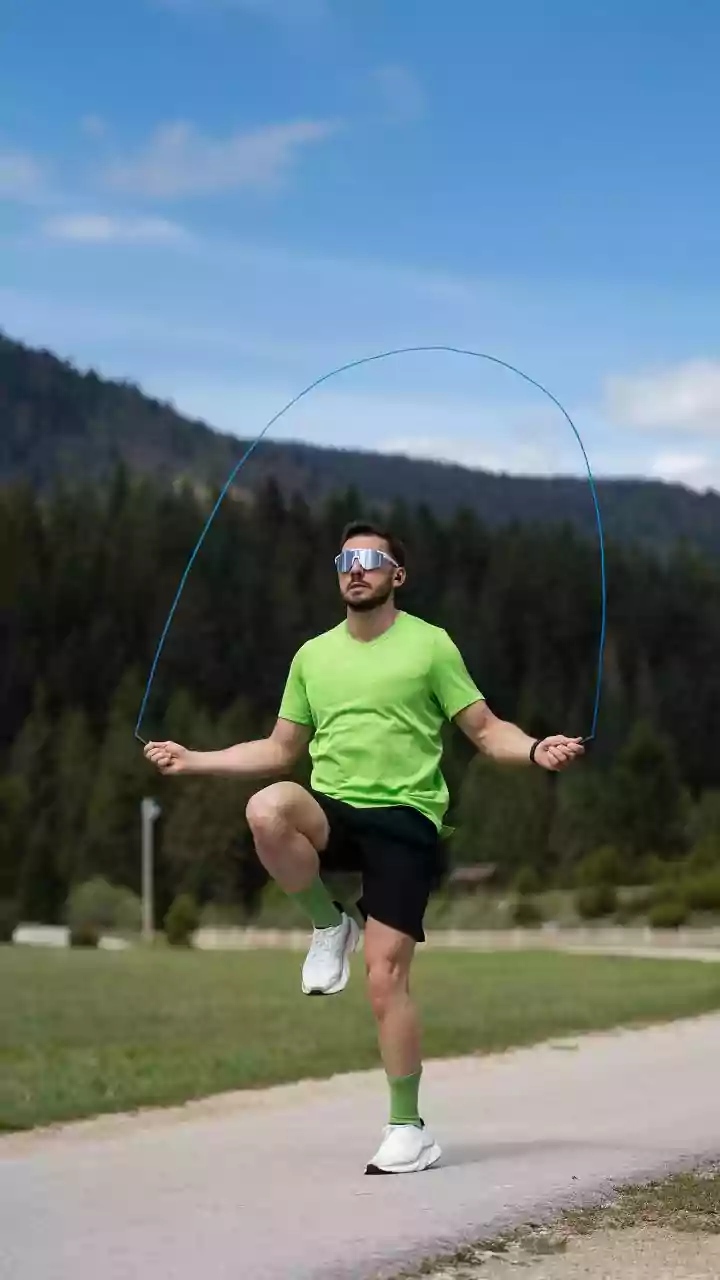
Skipping rope is a masterclass in neuromuscular coordination. It forces your brain to create a rapid, precise, and repeating sequence of actions: your wrists turn the rope at a constant speed, while your lower body has to time a jump to clear it. This isn't just about hopping up and down; it's about synchronising the entire body in a rhythmic pattern. The constant feedback loop—hearing the rope hit the ground, feeling its momentum—sharpens hand-eye-foot coordination. As you progress to more complex drills like crossovers or double-unders, you are essentially training your nervous system to fire signals more efficiently, improving agility, timing, and the ability to link different movements together seamlessly.
Yoga: The Art of Foundational Stability
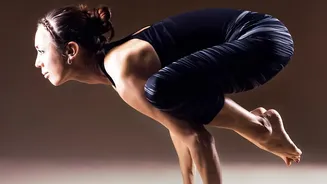
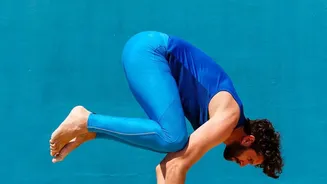
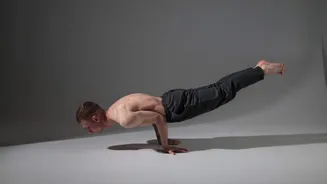
While some flowing yoga styles require coordination, its primary strength lies in developing balance, particularly static balance. When you hold a pose like Tree Pose or Warrior III, you are challenging your body to remain stable on an unmoving base. This refines proprioception—your body's internal sense of its position in space. Your brain learns to process subtle information from your feet, your inner ear's vestibular system, and your eyes to make tiny muscular adjustments that keep you from toppling over. Unlike the fast-paced demands of skipping, yoga trains the small, stabilizing muscles around your joints, building a foundation of unshakable control from the ground up. This focus on stillness and slow, deliberate transitions enhances body awareness in a way that high-speed activities cannot.
Dynamic Demands vs. Static Control
The core difference lies in how each activity challenges your stability. Jumping rope is an exercise in dynamic balance—maintaining control while in constant motion. Your center of gravity is constantly shifting, and your body must react quickly to absorb impact and prepare for the next jump. It’s about managing momentum. Yoga, conversely, perfects static balance by asking you to hold a steady position, often on a narrow base of support like one foot. Even in vinyasa flows, the movement is typically controlled and deliberate, designed to challenge your ability to transition smoothly between stable poses without losing form. One teaches you to be stable while moving fast; the other teaches you to be stable while staying still.
Better Together: A Complementary Practice
Instead of viewing them as competitors, think of jump rope and yoga as complementary disciplines. The explosive power and rhythmic coordination gained from skipping can translate to more powerful and agile movements in other sports and activities. Meanwhile, the core strength, flexibility, and heightened body awareness from yoga can improve your posture and landing mechanics during high-impact exercises like jumping rope, potentially reducing the risk of injury. Combining the two creates a well-rounded athlete. The high-intensity cardio of skipping and the mindful recovery of yoga offer a balanced fitness routine that addresses both endurance and flexibility, speed and control.