

The Protein Price Pinch
It's no secret that household expenses are rising, and the dairy aisle is a prime example. Recent trends show milk prices have been steadily increasing due to factors like higher costs for cattle feed and transportation. In major cities like Mumbai, wholesale
prices have seen significant jumps, pushing retail costs to new highs for consumers. This sustained inflation in a daily essential like milk forces families to rethink their nutritional strategies. The challenge is clear: how do you get the protein your family needs without stretching your budget to its breaking point? For many, the answer lies not in another animal product, but in the rich and diverse world of plant-based foods that have long been staples of the Indian diet.
The Humble Dal: A Powerhouse Staple
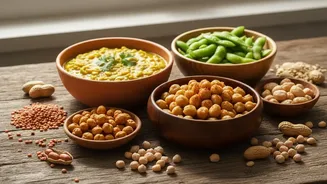
Dals are the foundation of affordable protein in India. A single 100-gram serving of dry moong dal contains approximately 24 grams of protein, while chana dal and toor dal offer around 22 grams. What makes dals so effective is their cost-to-protein ratio. While milk provides about 3.4 grams of protein per 100 ml, its cost per gram of protein can be significantly higher than that of lentils. Dals are also rich in fibre, which aids digestion, and are a good source of essential minerals. For a complete protein profile, it is traditionally and scientifically recommended to pair dals with grains like rice or roti. This combination ensures you get all the essential amino acids your body needs, similar to what you'd find in animal-based proteins.
Chickpeas and Roasted Chana: Versatile and Filling
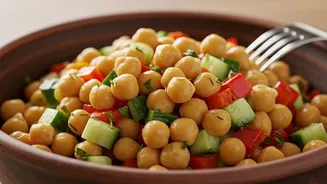
Chickpeas, whether in the form of kabuli chana for curries or as roasted chana (bhuna chana) for snacking, are a fantastic protein source. Raw chickpeas contain about 19-20 grams of protein per 100 grams, while a 100-gram serving of roasted chana also packs a significant protein punch of around 22 grams. Beyond protein, roasted chana is celebrated for its high fibre content, which promotes a feeling of fullness and can help with weight management. It also has a low glycemic index, making it beneficial for blood sugar control. As a convenient, nutrient-dense snack, roasted chana is an easy and inexpensive way to boost your protein intake throughout the day.
Soy: The Complete Plant Protein
When it comes to plant-based protein, soy is in a league of its own. Soya chunks, made from defatted soy flour, contain an impressive 52 grams of protein per 100 grams when dry. This makes them one of the most protein-dense and cheapest protein sources available in the country. Unlike many plant proteins, soy is considered a 'complete' protein because it contains all nine essential amino acids that the body cannot produce on its own. While milk protein quality is high, soy beverages offer a comparable amount of protein, with around 7-8 grams per cup. From versatile soya chunks in a curry to tofu and soybeans, soy products offer a robust and budget-friendly alternative to dairy and meat.
Peanuts: More Than Just a Snack
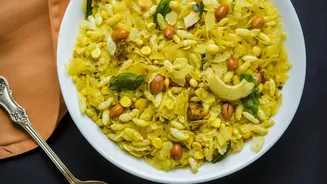
Often overlooked as a serious protein contributor, peanuts (mungfali) are nutritional powerhouses. They provide about 26 grams of protein per 100 grams, putting them on par with many other legumes and nuts. A small handful can deliver a significant protein boost for very little cost. In addition to protein, peanuts are a great source of healthy monounsaturated and polyunsaturated fats, which are beneficial for heart health. While they are more calorie-dense than chickpeas, their combination of protein, healthy fats, and fibre makes them incredibly satiating. Whether eaten roasted, boiled, or as natural peanut butter, they are an accessible and affordable way to enrich your diet.