


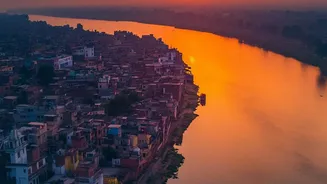
The Situation on the Ground
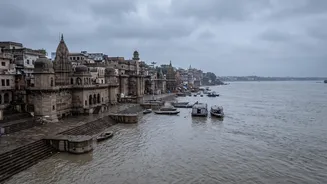
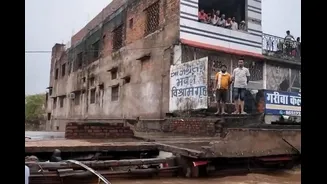
The Ganga River's water level has officially surpassed the designated warning mark in Varanasi, a holy city in northern India. According to the Central Water Commission, the river was recorded at 70.54 meters on Thursday, exceeding the warning level of 70.26
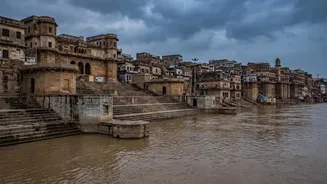
meters. With the water rising at a rate of about two centimeters per hour, authorities are on high alert as it inches closer to the danger level of 71.26 meters. This annual surge, fueled by heavy monsoon rainfall upstream, has transformed the serene riverfront into a scene of high alert. The rising Ganga has also caused the connecting Varuna river to swell, compounding the flood risk in several low-lying neighborhoods.
A City Mobilizes Its Defenses
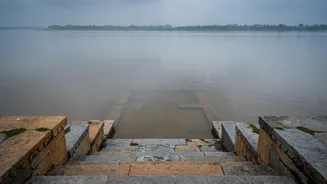
Varanasi's district administration has launched a comprehensive response. All boat operations on the Ganga have been suspended as a precautionary measure, with authorities urging residents and the thousands of pilgrims who visit the city to stay away from the ghats—the iconic steps leading down to the river—due to the strong currents. Teams from the National Disaster Response Force (NDRF), which are stationed in the city year-round, are conducting continuous patrols in vulnerable areas. In anticipation of evacuations, the city has activated a network of flood relief camps. As many as 13 camps are already housing over 900 people from more than 200 families displaced by the rising waters. These camps are equipped to provide shelter, food, clean water, and medical assistance.
Life and Rituals Interrupted
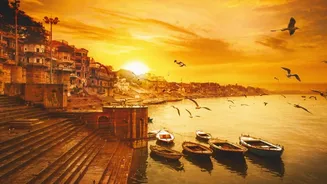
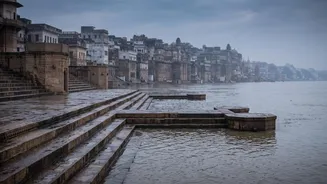
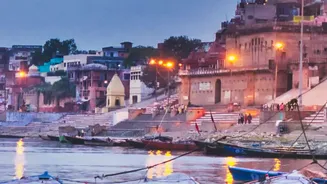
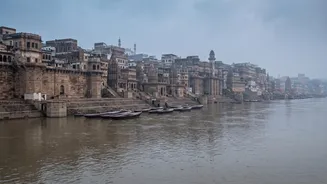
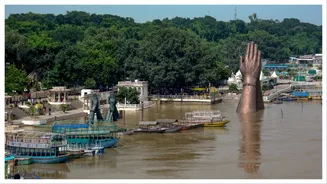
The flooding has a profound impact on daily life in a city where the river is central to everything. All 84 of Varanasi's famous ghats are now partially or fully submerged, disrupting the intricate tapestry of commerce and ritual. Boatmen, who depend on the river for their livelihood, are grounded. The rising waters have inundated some of the most sacred sites, including the Manikarnika Ghat, one of the principal cremation grounds. This has forced the solemn rite of cremation to be moved from its traditional spot to the rooftops of adjacent buildings, a difficult but necessary adaptation. Similarly, the famous evening 'Ganga Aarti' ceremony at Dashashwamedh Ghat has been relocated to higher ground to ensure it can continue.
An Annual Test of Faith and Resilience
For the residents of Varanasi, the monsoon flood is a familiar, if unwelcome, guest. The city's relationship with the Ganga has always been one of reverence and risk. Each year, the administration undertakes extensive preparations well before the rains begin, setting up a multi-layered system involving dozens of relief camps, hundreds of boats, and coordinated teams from health, sanitation, and animal husbandry departments. This annual cycle is a testament to the city's resilience. It's a modern-day challenge met with a blend of advanced disaster management and an enduring spirit. While the immediate focus is on safety and relief, the yearly flooding is a powerful reminder of the river's immense power and its unbreakable bond with one of the world's oldest living cities.