




The Polluter Elite's Double-Edged Sword
A startling new report from Oxfam, titled 'Disaster Divide', exposes a grim feedback loop at the heart of the climate crisis. The world's richest 0.1%—a group of about 8 million people—emit more carbon pollution than the poorest half of humanity combined.
These emissions, from lavish lifestyles and, more significantly, from their investments in polluting industries, are directly accelerating climate breakdown. Yet the story doesn't end there. The report highlights how this same elite group is also heavily invested in the burgeoning 'disaster economy'. This creates what Oxfam calls a 'double dividend': profiting from the industries causing the crisis and then profiting again from the recovery and reconstruction efforts that follow.
The Myth of the Insulated Bubble
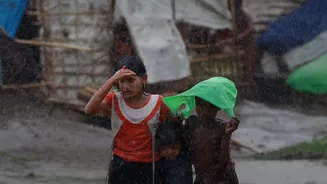
One might assume extreme wealth buys total immunity from environmental harm. While the rich can afford better protection—safer housing, private resources, and the ability to relocate—they are not entirely shielded. The emissions from the top 1% are projected to cause 1.9 million excess heat-related deaths, and while the majority of these will occur in lower-income nations, the effects of climate change like extreme weather, poor air quality, and ecosystem collapse are becoming universal threats. However, the crucial difference lies in vulnerability. While a wealthy individual may experience a heatwave, a person in poverty faces a life-threatening event without the resources to cope. Deaths from floods, for example, are seven times higher in more unequal countries, a testament to this deadly disparity.
Cashing In on Chaos
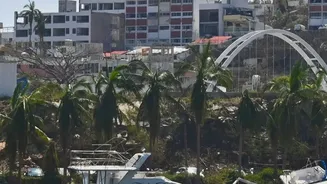
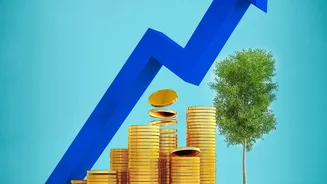
The most concerning finding is the strategic investment in climate catastrophe. The global disaster recovery market is a rapidly growing sector, projected to expand from $70 billion to $92 billion annually by 2029. The super-rich, through major asset management firms like BlackRock and Vanguard, are heavily invested in a 'Destroy & Rebuild Index' of companies. These companies either fuel climate change through sectors like oil and gas or specialise in disaster preparedness and reconstruction. Essentially, wealth generated from polluting activities is reinvested into services that become necessary because of that very pollution. This creates a perverse incentive where solving the climate crisis could be less profitable than managing its ongoing destruction.
The Indian Context of Inequality
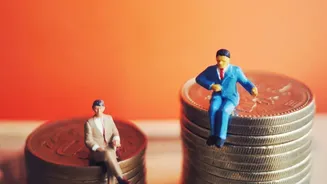
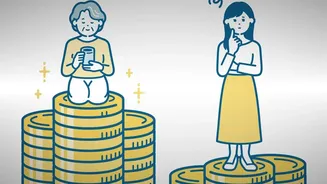
These global findings resonate deeply within India, a nation grappling with both rapid economic growth and stark inequality. According to past Oxfam data, India's top 1% holds over 40% of the nation's total wealth, while the bottom 50% of the population owns a mere 3%. This economic chasm mirrors the climate vulnerability gap. While affluent urban residents may install expensive air purifiers to combat city smog, millions in rural and coastal areas are on the front lines of droughts, floods, and cyclones with little to no safety net. Healthcare costs driven by environmental and other factors already push millions of Indians into poverty annually. The cycle described by Oxfam—where the consequences of pollution are most acutely felt by those who contributed least—is a daily reality for a vast portion of the Indian population.