






The Core Question: Mobility
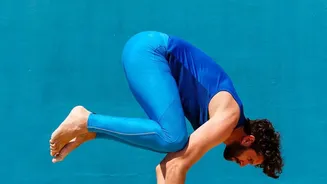
Mobility is your body's ability to move joints through their full, intended range of motion with control. It's crucial for everything from daily tasks to preventing injury. Yoga is a champion of mobility, focusing on a combination of active and passive
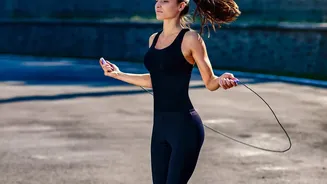
stretches. Poses and flows in yoga are designed to increase flexibility, lengthen tight muscles, and enhance the range of motion in your hips, shoulders, and spine. Practices like Vinyasa or specific mobility yoga routines guide your joints through controlled movements, improving both flexibility and stability. Skipping, on the other hand, approaches mobility from a dynamic angle. The quick, repetitive bouncing motion enhances coordination, balance, and agility. It strengthens the muscles, tendons, and ligaments around your joints, particularly in the ankles and knees, which provides better support and stability during movement. This contributes to active mobility—the ability to use your flexibility and strength at the same time.
Cardio and Calorie Burn
When it comes to cardiovascular health, skipping is a high-intensity powerhouse. It elevates your heart rate rapidly, making it an incredibly efficient way to burn calories and improve stamina. Some studies suggest that just 10 minutes of skipping can be as effective for your cardiovascular system as 30 minutes of jogging. It's a top-tier choice for anyone whose primary goal is weight management or boosting heart health in a short amount of time, potentially burning over 200 calories in a 10-minute session.
Yoga’s cardiovascular benefits depend heavily on the style. A gentle Hatha class will have a minimal cardio effect, while a fast-paced Power or Vinyasa flow can certainly raise your heart rate and build a sweat. However, it generally burns fewer calories per session compared to a dedicated cardio workout like skipping. Yoga's strength lies more in building muscular endurance and improving circulation through sustained poses and controlled breathing.
Building Strength and Tone
Both activities build strength, but in different ways. Yoga is a form of bodyweight strength training that builds functional strength. Poses like Downward Dog, Warrior II, and Plank engage multiple muscle groups at once, from your core and glutes to your arms and back. This creates long, lean muscle tone and improves your overall stability and posture.
Skipping primarily targets the lower body, including your calves, quads, and glutes. However, it's more of a full-body workout than most people realize. Your core must stay engaged to stabilize your body, and your shoulders and arms get a workout from turning the rope. Using a weighted rope can significantly increase the resistance and muscle activation in the upper body, turning your cardio session into a serious strength builder.
Accessibility, Cost, and Injury Risk
One of the greatest appeals of both workouts is their accessibility. A good quality jump rope is inexpensive, and yoga can be practised with nothing more than a mat—or even just a clear space on the floor. Both can be done almost anywhere, making them ideal for home workouts.
In terms of injury risk, the concerns are different. With skipping, the high-impact nature can be tough on the joints if done with improper form or on a very hard surface. It's important to land softly on the balls of your feet with a slight bend in the knees. Yoga, while low-impact, carries a risk of overstretching or straining muscles and ligaments if you push into a pose too deeply or without proper alignment. Listening to your body is key in both disciplines.
Making Your Choice: Goals and Synergy
So, which is better? The answer depends entirely on your goals. If your main objective is a high-energy, time-efficient cardio workout that torches calories and enhances coordination, skipping is your best bet. If you're looking to de-stress, improve flexibility, gain functional strength, and mindfully connect with your body, yoga is the clear winner.
For mobility specifically, yoga offers a more direct and comprehensive approach by moving joints through their complete range of motion. However, the dynamic stability that skipping builds is also a vital component of usable, real-world mobility. The ideal solution for many might be to not choose at all. Skipping and yoga complement each other perfectly. Using skipping for your cardio and then yoga for your cool-down and recovery combines high-intensity training with essential stretching and mobility work, giving you the best of both worlds.