




More Than Just Six-Pack Abs
When people talk about the 'core,' they're often picturing the rectus abdominis—the visible 'six-pack' muscles. But your core is much more complex and vital than that. Think of it as a muscular corset or a sturdy box that connects your upper and lower
body. This system includes muscles in your abdomen, lower back, pelvis, and hips. It even involves your diaphragm, the primary muscle for breathing. Together, these muscles work in harmony to stabilize your entire body, providing a foundation for nearly every move you make, from bending down to tie your shoes to swinging a golf club. A strong core isn't just for athletes; it's essential for everyday functional strength.
The Power of Stillness: Anti-Movement
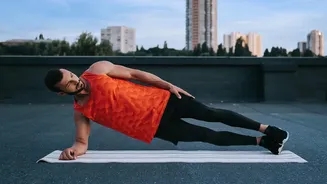
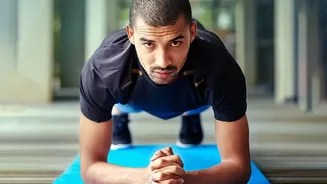
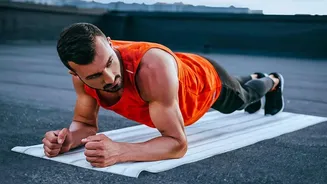
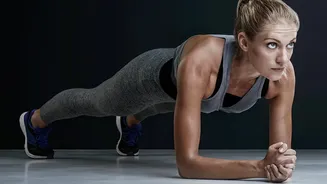
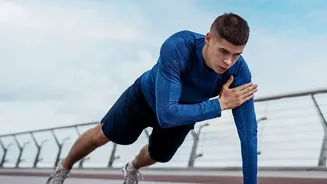
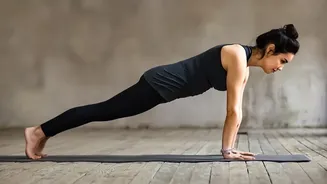
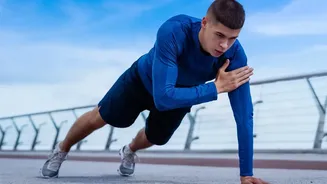
One of the core's primary jobs is to resist unwanted movement, which is crucial for protecting your spine. This is known as anti-extension, anti-rotation, and anti-lateral flexion (resisting side-bending). Exercises that challenge your ability to stay still while a force tries to move you are fundamental. The classic plank is a perfect example of anti-extension, forcing your muscles to work together to prevent your back from sagging. To train anti-rotation, the Pallof press is a fantastic choice; by holding a resistance band or cable at your chest and pressing it away, your core has to fight the urge to twist toward the anchor point. These isometric and stabilizing exercises build endurance and create a solid, stable base for all other movements.
Creating Motion: Flexion and Rotation
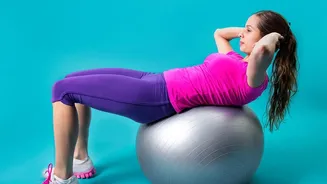
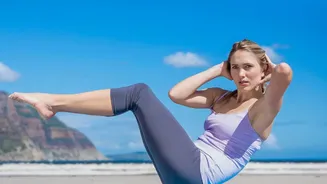
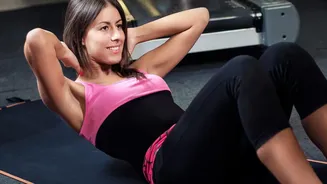
While resisting motion is key, the core is also designed to create it. Core flexion involves bending the trunk forward, like in a crunch. While crunches have their place, it's important to perform them with good form to protect your spine. The other major movement is rotation, or twisting the torso. This is powered largely by your oblique muscles. Exercises like Russian twists, where you twist from side to side, or kneeling banded twists are excellent for developing rotational power. This ability to generate force through rotation is vital in many sports and activities, from throwing a ball to carrying groceries into the house.
The Synergy of Combination Training
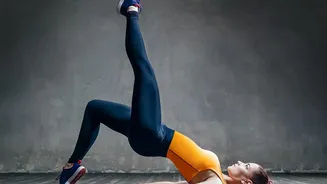
So, which type of exercise is best? The answer is all of them. Relying only on planks neglects your ability to create powerful, rotational movements. Focusing only on crunches can lead to muscle imbalances and ignores the critical stabilizing function of your deeper core muscles. A well-rounded core routine should incorporate a mix of exercises that challenge your core in every way it's meant to function: stabilizing, flexing, extending, and twisting. This combination approach ensures that you're not just building beach muscles, but developing a truly functional midsection. A varied routine improves balance, enhances athletic performance, and, most importantly, provides robust protection against back pain and injury.