




The Patient Approach to Electrification
In the high-stakes race to dominate the luxury electric vehicle market, speed isn't everything. That seems to be the philosophy at Land Rover, which has adjusted the timeline for its flagship Range Rover Electric to a late 2026 debut. While competitors
rush to fill showrooms, Land Rover is using the extra time to ensure its first all-electric icon isn't just another EV, but a true Range Rover. According to company executives, the goal is to make sure the electric model enhances the brand's core values of refinement and effortless capability. The decision is a calculated one, reflecting an understanding that for a vehicle of this stature, getting it right is more important than getting it first. The brand's 'Reimagine' strategy has faced challenges, including supply chain issues and a competitive landscape that evolved faster than expected. This delay allows engineers to perfect the technology that will define the brand's electric future.
Perfecting the 800-Volt Charging Promise
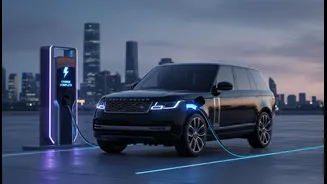
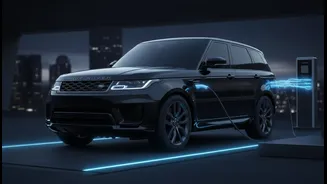
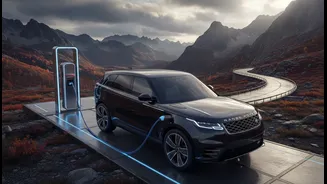
A key focus of this extended development phase is the vehicle's charging architecture. The Range Rover Electric will be built on an 800-volt system, a technology designed for ultra-fast charging. This system allows the vehicle to accept significantly higher charging rates than the more common 400-volt systems, potentially adding huge amounts of range in minutes rather than hours. The target is to support charging speeds up to 350 kW, which would make it one of the fastest-charging SUVs on the market. For owners, this addresses a major pain point of EV ownership: time spent at public chargers. Land Rover's argument is that a seamless ownership experience, with short charging stops, is more important than simply having the largest possible range figure on a spec sheet. This 'future-proof' technology ensures the vehicle remains competitive as public charging infrastructure continues to upgrade.
All-Weather, All-Terrain Range
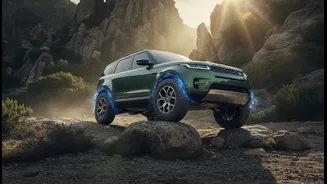
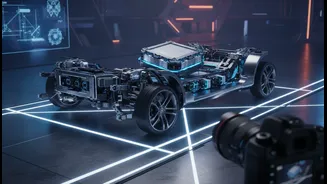
Range anxiety is real, but so is performance drop-off in extreme weather. Land Rover is famous for its vehicles' go-anywhere capability, and the electric version must live up to that legacy. The company has been conducting an exhaustive global testing program, from the frozen lakes of the Arctic Circle to the scorching deserts of Dubai. The MLA-Flex platform, which underpins the new model, was designed from the outset to accommodate an EV powertrain without compromise. This allows for a large 118.5 kWh battery to be integrated low in the chassis, improving stability. While official figures are still under wraps, the target is a real-world range that is both competitive and, crucially, reliable across different climates. The efficiency of the 800-volt system helps here, too, by reducing energy lost as heat, which is especially important for maintaining range in cold winters.
Leapfrogging a Crowded Market
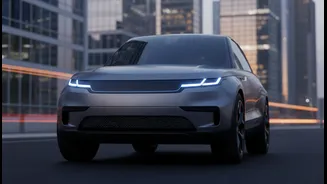
By the time the Range Rover Electric arrives in late 2026, the luxury EV SUV market will be even more crowded. Established players like the BMW iX, Mercedes-Benz EQS SUV, and Rivian R1S will have been on the market for years. Newer competitors like the Cadillac Escalade IQ and the announced electric Porsche Cayenne will also be vying for attention. This is precisely why the extra development time is so crucial. Instead of launching into the first wave of luxury EVs, Land Rover is positioning itself to enter the market with next-generation technology. A delayed launch allows the company to benchmark against existing rivals, refining its own product to exceed their performance in key areas like charging speed and all-terrain capability. It’s a strategic gamble that bets on brand loyalists and new buyers being willing to wait for what Land Rover promises will be the most capable and refined electric luxury SUV ever built.