



Beyond the Daily Grind
India’s love for chai and filter coffee is eternal, but the nation's urban palate is becoming more adventurous. Cafe-goers are increasingly looking past the standard espresso menu for drinks that offer new flavours, unique stories, and, of course, a picture-perfect
aesthetic. Into this space have stepped two distinct but equally intriguing contenders from opposite ends of Asia: ube, a purple yam from the Philippines, and hojicha, a roasted green tea from Japan. Recent search data shows curiosity around both reaching all-time highs in India, signalling a shift from niche interest to a mainstream trend.
Meet Ube: The Purple Powerhouse
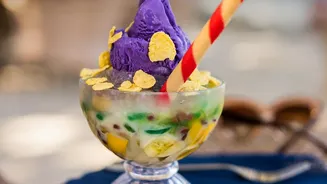
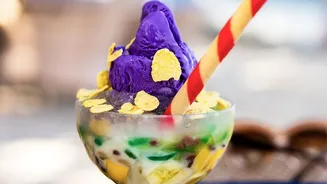
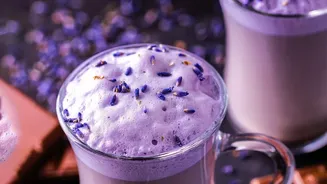
Ube (pronounced ‘oo-beh’) is a species of yam native to the Philippines, celebrated for its striking, deep purple flesh. Its flavour is surprisingly complex and delightful — a creamy, mellow sweetness with notes of vanilla, pistachio, and coconut. Unlike taro, with which it's often confused, ube is naturally sweeter and used almost exclusively in desserts and drinks. Its incredible colour, which remains vibrant even when cooked, makes it an Instagram sensation. But its appeal is more than skin-deep. The flavour is novel yet comforting, making it an easy and exciting choice for lattes, milkshakes, and pastries. In India, Google searches for 'ube latte' and 'ube cafe' have spiked, with Telangana showing the highest interest.
Discover Hojicha: The Cozy Alternative
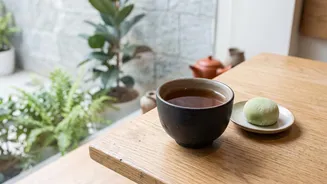
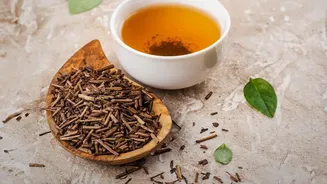
For those seeking a more subtle experience, there's hojicha (pronounced 'ho-jee-cha'). This Japanese green tea is made by roasting tea leaves and stems at a high temperature. This process, first developed in Kyoto in the 1920s, fundamentally changes the tea's character. It transforms the colour from green to a reddish-brown and replaces the grassy notes of typical green tea with a warm, nutty, and toasty profile, often with hints of caramel or cocoa. A major benefit of roasting is that it significantly lowers the tea's caffeine content, making hojicha a soothing, gentle option that can be enjoyed any time of day. It’s a comforting alternative for coffee and even matcha drinkers who want flavour without the jitters. Curiosity is growing fast, with Delhi leading searches for terms like 'what is hojicha' and 'hojicha latte'.
Why Here, Why Now?
The rise of ube and hojicha in India isn't random. It’s part of a broader trend towards global flavour exploration and wellness. Today’s consumers are more connected than ever, and a photogenic drink seen on a global feed quickly becomes a local desire. Ube's vibrant purple is a natural fit for a social media-driven culture, while hojicha's low-caffeine, roasted profile appeals to a growing interest in functional, wellness-oriented beverages. Both drinks offer a sense of sophisticated discovery. They are new without being intimidating, providing an easy way for people to expand their culinary horizons beyond familiar tastes. This wave reflects a larger shift in India’s cafe culture, where innovation and experience are becoming just as important as the daily caffeine fix.