





The Golden Duo of Indian Kitchens
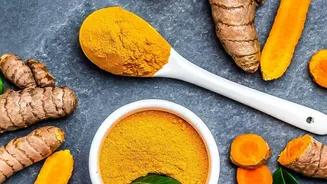
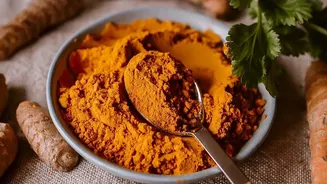
Turmeric and ginger are foundational spices in Indian cuisine, lending their distinctive flavours and colours to everything from simple dals to elaborate curries. Turmeric, with its bright golden hue, provides a warm, earthy, and slightly peppery taste.
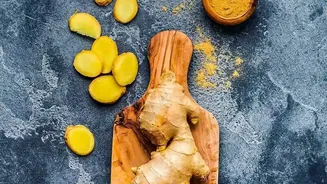
Ginger brings a zesty, pungent kick that can be both fiery and sweet. Their use goes beyond just taste; they are revered in Ayurvedic traditions for their health-supporting properties. The primary active compound in turmeric is curcumin, known for its antioxidant and anti-inflammatory effects. Ginger's benefits are largely attributed to gingerol, a chemical that also possesses potent anti-inflammatory and antioxidant properties. Together, they form a powerful combination that enhances both our food and our well-being.
Unlocking Benefits Through Cooking
Simply eating turmeric is not enough to get its full benefits, as its main active compound, curcumin, is poorly absorbed by the body. However, traditional cooking methods have long held the solution. Curcumin is fat-soluble, meaning it needs fat to be absorbed effectively. Cooking turmeric in ghee or oil, or adding it to dishes with coconut milk, helps your body take it in. Another crucial partner is black pepper. Piperine, the active compound in black pepper, has been shown to increase curcumin's bioavailability by up to 2,000%. Just a small amount of black pepper in your curry or sabzi can make a significant difference, allowing your body to better access the turmeric's benefits. This power trio—turmeric, fat, and black pepper—is a perfect example of how culinary wisdom aligns with modern science.
Soothing Sips: Beyond the Curry
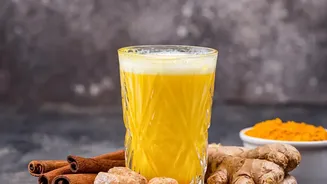
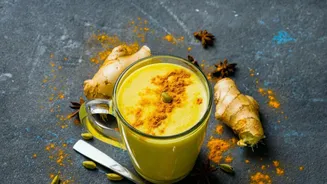
The versatility of turmeric and ginger extends far beyond savoury dishes. A warm, soothing drink is one of the easiest ways to enjoy their benefits. A simple ginger-turmeric tea, made by simmering slices of the fresh roots in water, can help boost the immune system and support respiratory health, especially during cold and flu season. For a creamier option, 'golden milk', or haldi doodh, is a timeless remedy. This comforting drink involves warming milk with turmeric, a pinch of black pepper, and perhaps a little ginger and a sweetener like honey. These beverages are not only comforting but also serve as an effective way to help the body fight inflammation and aid digestion.
The Supplement Story: A Note of Caution
With the rising popularity of these spices, the market is flooded with high-dose turmeric and ginger supplements. While they may seem like a convenient shortcut, more is not always better. The concentrations of active compounds like curcumin in supplements are often significantly higher than what you would consume in food. While culinary amounts are considered very safe, high-dose supplements carry potential risks. Excessive intake of ginger, for example, can lead to heartburn, diarrhoea, and stomach discomfort, with side effects more likely at doses over 5 grams a day.
Risks of High Doses
The primary concern with high-dose supplements involves potential interactions and side effects. Both turmeric and ginger may have blood-thinning properties, which could pose a risk for individuals with bleeding disorders or those taking anticoagulant medications. Furthermore, while rare, there have been reports linking high-dose, highly absorbable turmeric supplements to liver injury. Ginger in large quantities can also interact with medications for diabetes and high blood pressure. This doesn't mean supplements are inherently bad, but it highlights that they are potent substances, not just food. Unlike the turmeric and ginger in your spice box, concentrated supplements should be approached with caution.