

A Bird's-Eye View of Paradise
Unlike the roar of a plane, paragliding is a surprisingly peaceful experience. The main sounds are the gentle rustle of the wind in the canopy and the crisp mountain air. From your vantage point, the world transforms into a breathtaking map of natural
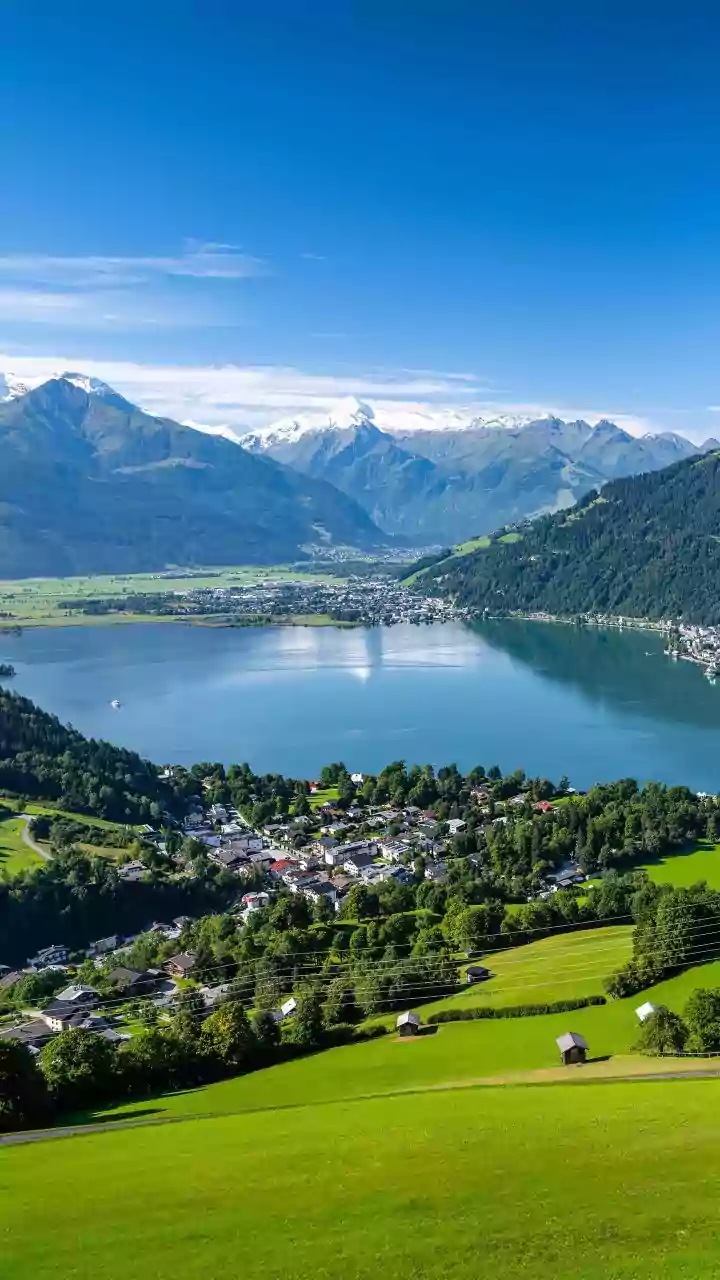
wonders. You can glide over the impossibly turquoise waters of Lake Thun and Lake Brienz, trace the paths of dramatic waterfalls in the Lauterbrunnen valley, or gaze upon the formidable Matterhorn near Zermatt. Every flight offers a new perspective on landscapes that are already world-famous from the ground, providing an intimate connection with the sheer scale and beauty of the Alps. The experience is often described as less of an adrenaline rush and more of a serene, floating sensation.
The Tandem Flight: Adventure for Everyone
The best part about this adventure is that you don't need any experience. The vast majority of visitors fly in tandem, securely harnessed to a certified and experienced pilot who handles all aspects of the flight. The process is straightforward: after a short briefing on the ground, you and your pilot will take a few running steps down a gentle slope until the glider catches the air and lifts you off the ground. Flights typically last between 10 and 20 minutes, depending on wind and thermal conditions, which can sometimes allow for longer soaring times. The pilot manages the steering and speed, and will guide you to a soft, easy landing, often in a designated field in the center of town.
Iconic Hubs for Alpine Flights
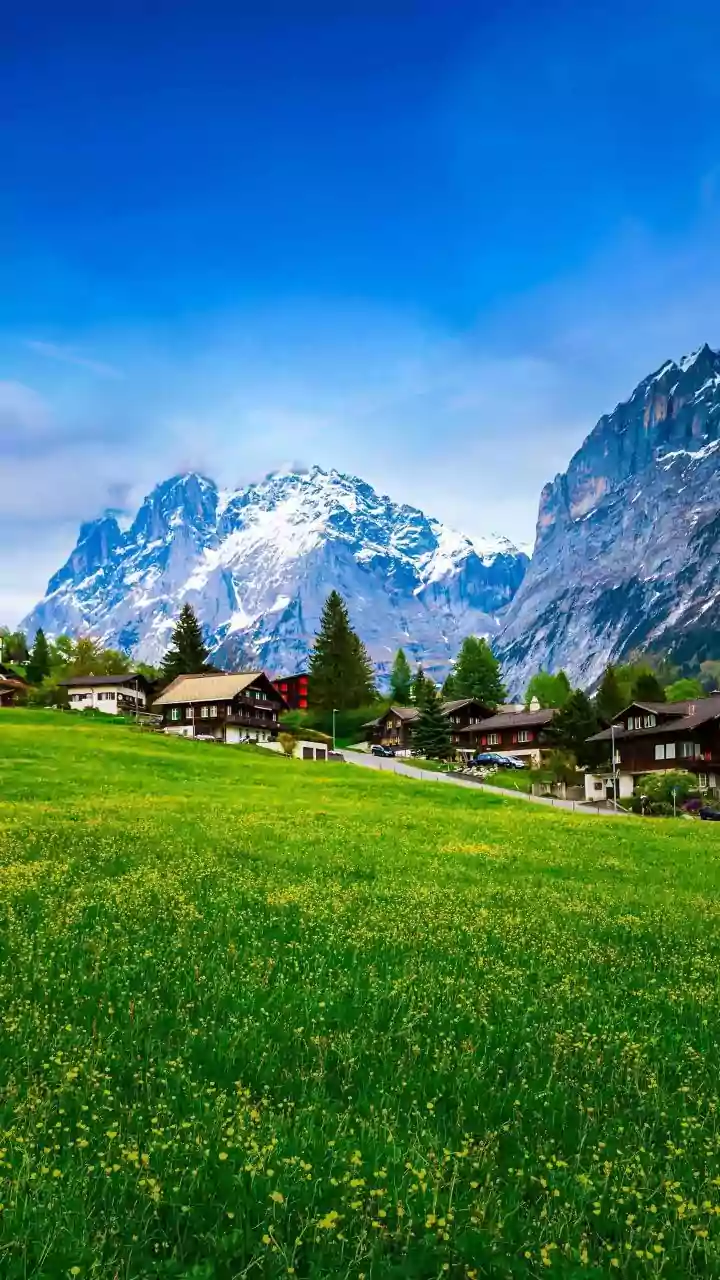
While you can find paragliding operations across Switzerland, a few locations are globally renowned. Interlaken is considered the adventure capital, offering classic flights from Beatenberg with views of two lakes and the famous Jungfrau massif. Grindelwald provides jaw-dropping proximity to the Eiger's North Face, while Lauterbrunnen is famous for its valley of 72 waterfalls and sheer cliffs. For those seeking high-altitude grandeur, Zermatt offers tandem flights with direct views of the Matterhorn. Other popular spots include Verbier, Davos, and the area around Lake Lucerne, each providing a unique combination of views and flight experiences.
Safety and Accessibility
Switzerland has some of the strictest safety standards for paragliding in the world. Tandem pilots must undergo extensive training and be licensed by the Swiss Hang Gliding & Paragliding Association (SHV), ensuring they are experts in meteorology and risk assessment. Equipment is regularly inspected and certified. Flights will only proceed in stable and safe weather conditions; cancellations or postponements due to wind or poor visibility are a standard part of the safety protocol. There are no significant fitness requirements for a standard tandem flight, though there is usually a weight limit of around 100 kg. All you need is a willingness to take a few steps at take-off and landing.
Planning Your Alpine Adventure
Paragliding is a year-round activity in many parts of the Swiss Alps, with each season offering a different kind of beauty. Spring and summer bring lush green valleys and strong thermals for potentially longer flights. Autumn is prized for its clear visibility and colourful foliage, while a winter flight over a snow-covered landscape is a uniquely magical experience. You should dress in layers, including a windproof jacket, and wear sturdy, closed-toe shoes. Costs for a standard tandem flight generally range from about 180 to 230 Swiss Francs, with photos and videos available as an optional extra. It's wise to book a few days in advance, especially during the peak summer months of July and August.