





The Science of a Simple Soak
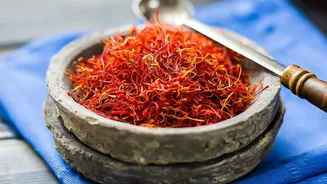
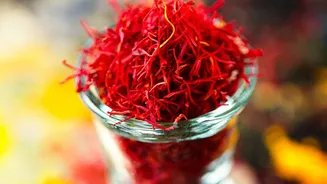
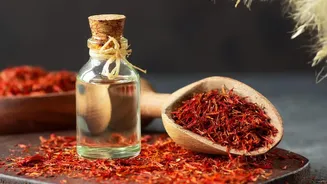
To understand why saffron needs time, we need to look at what it is: the dried stigma of the Crocus sativus flower. In their dry state, the compounds responsible for saffron’s magic are locked away. The vibrant golden colour comes from a water-soluble
carotenoid called crocin. Its unique, hay-like aroma is primarily from safranal, a volatile oil, and its complex, slightly bitter taste is from picrocrocin. Sprinkling dry threads directly into food, especially a hot pan, prevents these compounds from fully releasing. The threads need to be rehydrated gently in a liquid to draw out the colour, taste, and scent. This process, known as 'blooming' or 'infusing', is the single most important step to getting your money's worth from this prized spice.
How to Properly Bloom Saffron
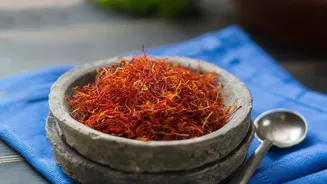
Blooming saffron is a simple but transformative technique. First, gently crush a pinch of saffron threads—about 15-20 threads for a dish serving four to six people—using a mortar and pestle or the back of a spoon. This increases the surface area for a more effective infusion. Place the crushed saffron in a small bowl and add two to three tablespoons of a warm liquid. The liquid should be warm to the touch, not boiling, as excessively high heat can destroy the delicate aromatic compounds like safranal. Good liquid choices include water for rice dishes, or in this case, warm milk. Let the threads steep for at least 15 to 20 minutes, though longer is often better. You will see the liquid transform into a deep, radiant golden-orange. Use both the liquid and the steeped threads in your recipe to capture every bit of flavour.
Honey: The Perfect Sweet Counterpart
Once you have your saffron infusion, honey becomes its perfect partner. Saffron has an earthy, floral, and slightly bitter profile that can be beautifully balanced by the sweetness of honey. Honey’s viscosity also helps to evenly suspend and distribute the saffron flavour throughout a dish, whether it’s a creamy yoghurt or a warm glass of milk. The pairing is a classic for a reason, creating a flavour that is both comforting and luxurious. For the best results, choose a mild honey, such as acacia or orange blossom, which will complement the saffron without overpowering its delicate notes. A strong, dark honey might mask the nuances you worked so patiently to release.
From Simple to Sublime: Yoghurt and Milk
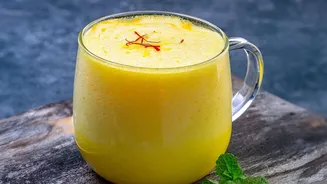
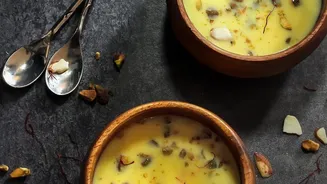
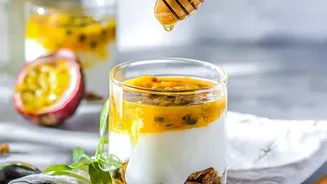
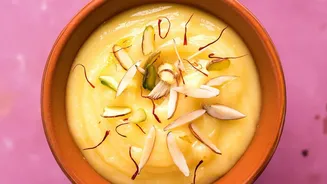
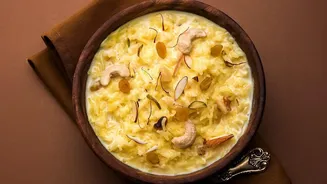
The combination of saffron and honey can elevate the most humble dairy bases into something truly special. For an instant dessert or a luxurious breakfast, simply stir your bloomed saffron and a teaspoon of honey into a bowl of thick, full-fat Greek yoghurt. The tartness of the yoghurt cuts through the sweetness, allowing the saffron's floral notes to shine. This simple mix is a form of Shrikhand, a popular dessert in Western India. Another classic is Saffron Milk, or Kesar Doodh. Gently warm a cup of milk, add your saffron infusion and honey to taste, and perhaps a pinch of ground cardamom for extra warmth. This soothing, aromatic drink is perfect before bed. The same principle can be applied to lassis, homemade ice cream bases, panna cotta, or even a simple glaze for a milk-based pudding.
Common Mistakes to Avoid
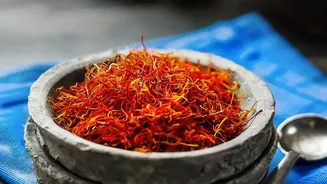
To ensure success, be mindful of a few common pitfalls. The most frequent error is using too much saffron; a little goes a long way, and an excess can make a dish taste medicinal or overly bitter. A small pinch is usually sufficient. Another mistake is being impatient and not allowing the saffron to infuse for long enough. Rushing this step will result in a dish with weak colour and flavour. Finally, always opt for high-quality saffron threads over powder. Saffron powder can be easily adulterated with other substances and loses its potency much faster. True saffron threads should be a deep, uniform red. By avoiding these errors, you ensure that this exquisite spice delivers its full, glorious potential every time.