

What You Should Know About Ragi
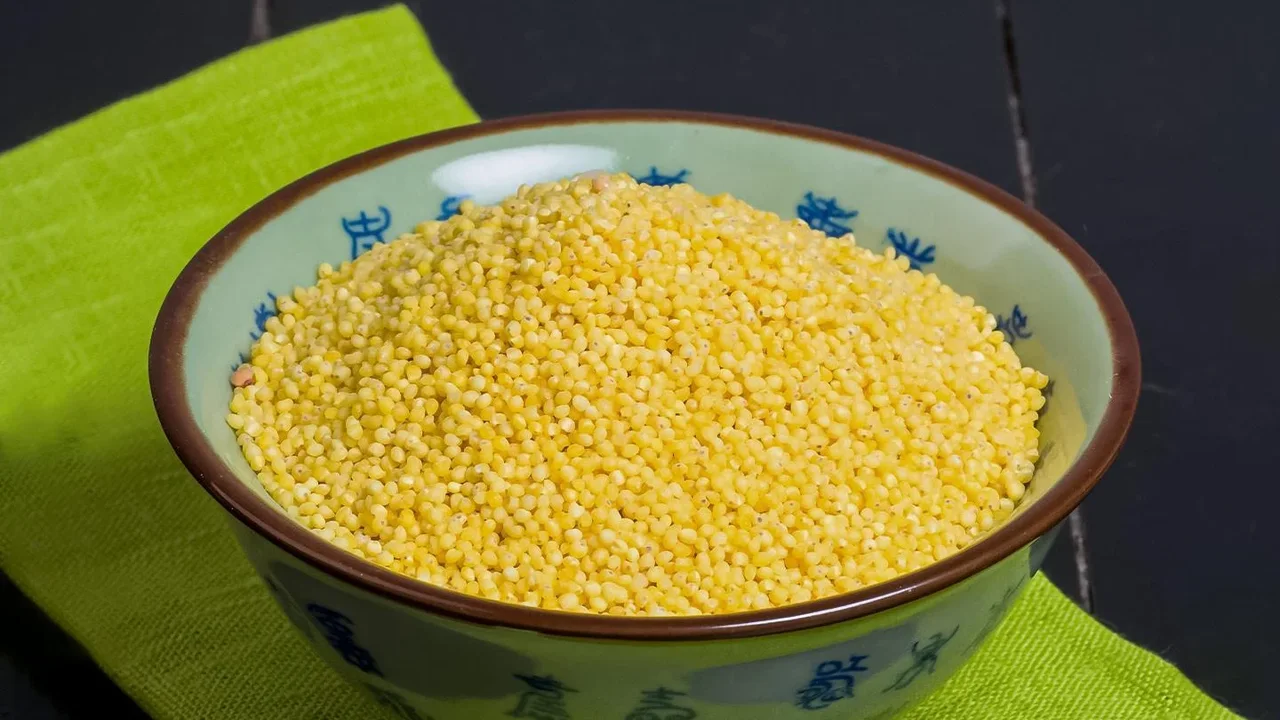
Ragi, also known as finger millet or nachni, is a nutrient-dense cereal grain that has been a staple in parts of India and Africa for centuries. It's a small, reddish grain that is typically ground into flour. Being naturally gluten-free, it's an excellent
food choice for individuals with gluten intolerance or celiac disease. Its ability to thrive in dry conditions has made it a reliable and important crop for many farming communities. In recent years, ragi has gained widespread popularity as a superfood due to its impressive nutritional profile and health benefits.
A Nutritional Powerhouse
Ragi's reputation as a superfood is well-deserved. It is one of the best plant-based sources of calcium, which is crucial for strong bones and teeth, and can help prevent osteoporosis. The grain is also rich in dietary fibre, which aids digestion, helps manage weight by keeping you feeling full for longer, and can regulate blood sugar levels. Furthermore, ragi is a good source of iron, an essential mineral for preventing anaemia and maintaining healthy blood. With a low glycemic index, it releases sugar into the bloodstream slowly, making it a suitable grain for people with diabetes.
Savoury Start: Crispy Ragi Dosa
One of the most popular ways to enjoy ragi is in the form of a dosa. This savoury crepe can be made in a few ways. An instant version involves simply mixing ragi flour with rice flour, water, and spices to form a batter. Another method involves fermenting a ground batter of ragi and urad dal overnight, similar to a traditional dosa. The result is a nutritious, crispy, and earthy-flavoured dosa that pairs wonderfully with coconut chutney and sambar. It's a fantastic gluten-free breakfast or light dinner that the whole family can enjoy.
Sweet Treat: Wholesome Ragi Ladoo
For those with a sweet tooth, ragi ladoos are a healthy and delicious option. These quick and easy-to-make energy balls are packed with nutrients. The recipe typically involves roasting ragi flour in a bit of ghee until it becomes aromatic. This flour is then mixed with a sweetener like powdered jaggery, and combined with crushed nuts like almonds or cashews and a hint of cardamom for flavour. The mixture is then shaped into small balls. Ragi ladoos are a perfect guilt-free snack, especially for children, providing a boost of energy and essential minerals.
Everyday Essential: Soft Ragi Roti
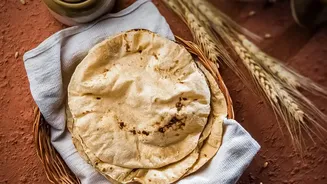
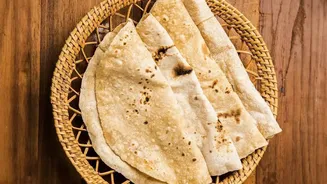
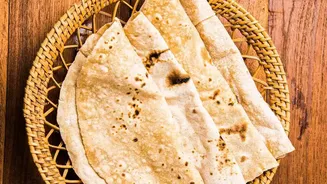
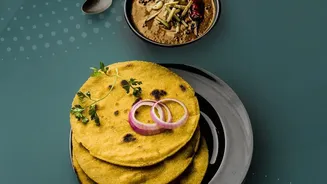
Incorporating ragi into your daily meals is simple with ragi rotis. Also known as nachni bhakri in Maharashtra, this unleavened flatbread is a wholesome alternative to wheat rotis. To make them, ragi flour is mixed with hot water to form a soft, pliable dough. This dough is then divided, flattened into circles, and cooked on a hot tawa. The resulting rotis are soft with a distinct, nutty flavour. They can be served with any dal, sabzi, or curry, making for a nutritious and filling meal.
Comforting Classic: Ragi Malt Porridge
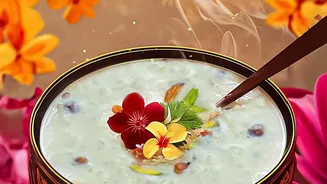
Ragi malt, or ragi porridge, is a comforting and highly nutritious dish that can be enjoyed by all ages, from infants to adults. It can be prepared in both sweet and savoury versions. For a sweet porridge, ragi flour is cooked with water or milk and sweetened with jaggery. A pinch of cardamom powder can be added for fragrance. The savoury version, often called ragi kanji, is made by cooking the flour in water and then mixing it with buttermilk, salt, and sometimes a tempering of spices. It's an excellent breakfast option or a light meal that provides sustained energy.