

More Than Just a Pot
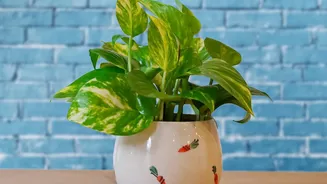
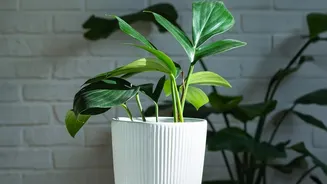
Choosing a planter should be approached with the same care as selecting a piece of furniture or art. The planter is not merely a functional container; it is a design element that can unify a room, introduce texture, and add a deliberate splash of colour.
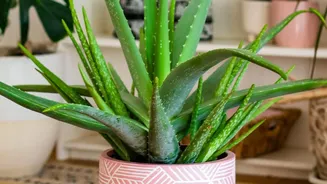
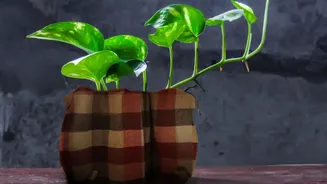
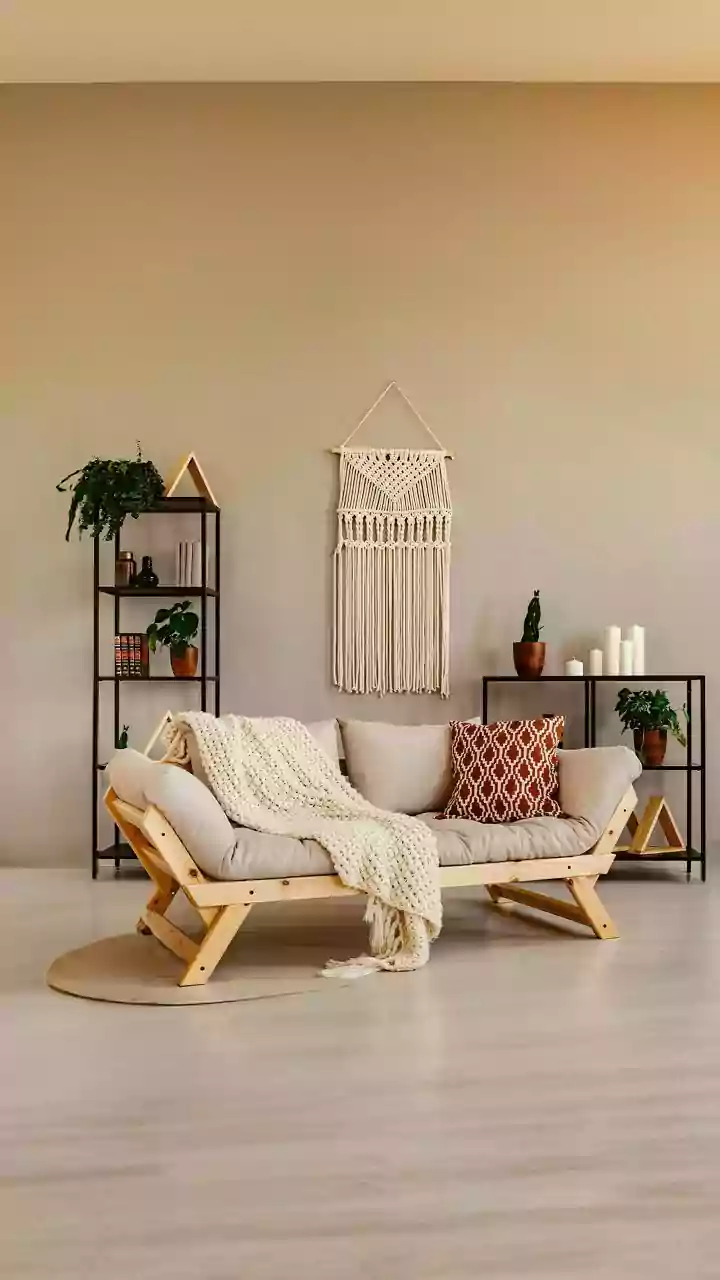
Ceramic planters, with their vast range of finishes, colours, and shapes, offer the perfect medium for this. Unlike basic plastic pots, a well-chosen ceramic planter adds weight and intention to your display. It signals that the plant is not an afterthought, but a considered component of your home’s aesthetic. By matching planters to your existing decor, you create a sense of harmony. For instance, sleek, neutral-coloured ceramic pots can complement a modern, minimalist space, while textured or patterned pots can enhance a bohemian or traditional interior.
Matching Planter to Room Style
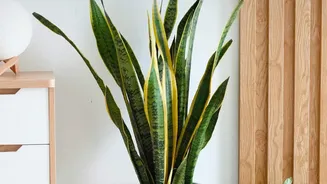
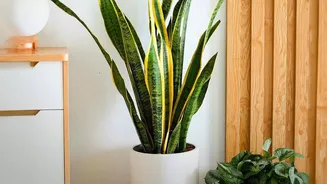
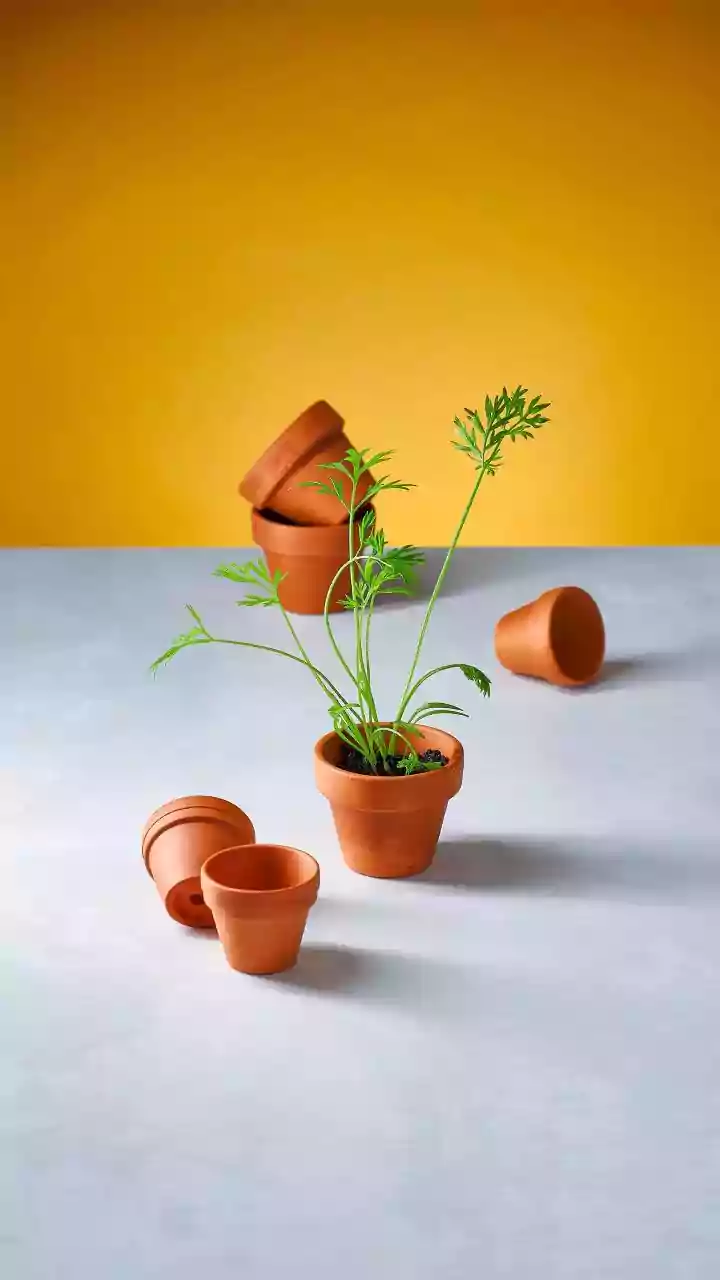
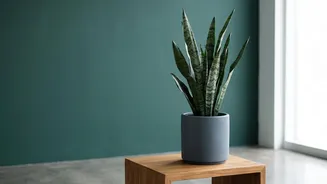
To create a cohesive look, select ceramic planters that align with your home's interior design style. For a contemporary or Scandinavian-themed room, look for planters with clean lines, geometric shapes, and a neutral palette of whites, greys, or blacks. If your home has a more rustic or earthy vibe, consider terracotta-toned ceramics or pots with a slightly distressed finish. For mid-century modern aesthetics, choose architectural plants like Snake Plants or Monsteras and pair them with simple, elegant planters, perhaps elevated on wooden stands. The key is to view the plant and pot as a single decorative unit that speaks the same design language as the rest of your space, ensuring everything feels connected and thoughtfully curated.
The Art of Grouping
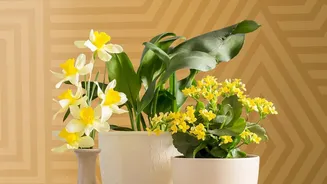
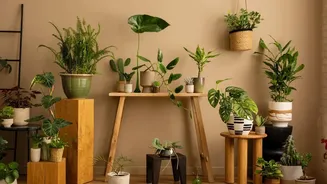
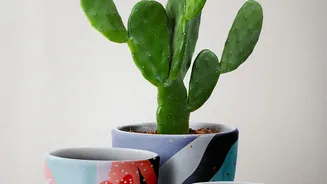
While a single statement plant can be powerful, grouping planters is an effective strategy for creating a high-impact visual moment. Interior designers often use the 'rule of three,' suggesting that arrangements in odd numbers are more appealing to the eye. When creating a cluster, aim for variety in height, shape, and size to build visual interest. You could place a tall, slender pot next to a low, wide bowl, for example. To maintain a unified look, stick to a consistent theme with your pots—perhaps by choosing planters from the same colour family or with a similar texture. This creates a display that feels like a deliberate collection rather than a random assortment of plants, making the corner of a room or a section of a shelf a clear focal point.
Strategic Placement for Maximum Impact
Where you place your potted plants is just as important as the pots themselves. Grouped ceramic planters can be used to fill empty corners, adding life and dimension to an otherwise overlooked area. A large, dramatic plant in a beautiful ceramic pot can serve as a living sculpture and a natural focal point in a living room or entryway. Consider using vertical space by placing smaller pots on shelves or using hanging ceramic planters, which draw the eye upward and can make a room feel taller. In smaller apartments, this is a particularly effective way to add greenery without sacrificing valuable floor space. Arranging a trio of small- to medium-sized pots on a console table or a window sill can also create a charming and dynamic vignette.
Finding the Right Fit
Beyond aesthetics, practicality is key. Ensure the ceramic pot is the right size for the plant. A pot that is too small can restrict root growth, while one that is too large can hold excess water and lead to root rot. A general rule is to choose a pot that is about 1-2 inches larger in diameter than the plant's current container. Most importantly, ensure the ceramic pot has a drainage hole at the bottom. Proper drainage is crucial for plant health, preventing water from stagnating and harming the roots. If you find a decorative ceramic pot without a hole, you can often use it as an outer cachepot, placing a functional nursery pot with drainage inside it.