



The Promise of a Perfect Lychee
A perfect lychee is a burst of sweet, juicy flavour with fragrant, floral notes, often described as a mix of grape, pear, and rose. It's a true seasonal delicacy, gracing markets from May through early July. However, the window for peak freshness is short.
Since lychees are non-climacteric, they do not ripen further after being picked. This makes your selection at the market absolutely crucial. A poor choice can lead to a tart, bland, or even fermented taste. By learning the simple signs of a perfectly ripe fruit, you can avoid the disappointment of a bad batch and fully enjoy this summer treasure.
Look for Vibrant Colour and Plump Shape
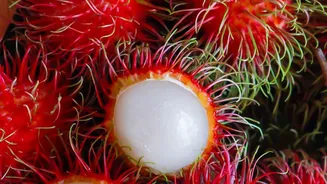
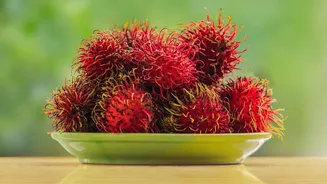
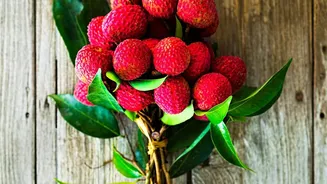
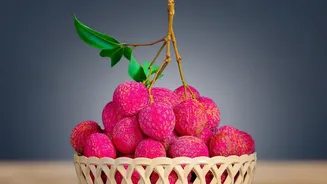
Your eyes are the first tool in spotting great lychees. Look for fruits with a vibrant, bright peel. Depending on the variety—like the popular Shahi from Muzaffarpur or the Calcutta variety—the ideal colour is typically a bright pink or deep red. Some varieties may even have a reddish-green hue when perfectly ripe. Avoid fruits that are dull, have large brown patches, or look wrinkled, as these are signs of ageing. While a little browning can occur from refrigeration and may not affect the taste, widespread discolouration is a red flag. Size also matters; opt for lychees that are at least one inch in diameter, as this often indicates a good flesh-to-seed ratio.
Trust Your Touch and Smell
Once a batch of lychees has passed the visual test, it's time to engage your other senses. Gently press a fruit. A ripe lychee should feel firm but have a slight spring to it. If it’s rock-hard, it’s likely underripe and will be less flavourful. If it feels overly soft, mushy, or wet, it is past its prime and may have started to ferment. Next, give them a sniff. Fresh, ripe lychees exude a distinct sweet and floral fragrance. If you detect a sour, alcoholic, or fermented smell, it’s a clear sign that the fruit has spoiled and should be avoided.
Why Buying in Clusters Matters
The headline's advice to choose plump clusters is sound. Lychees sold on the branch tend to be fresher and less damaged than loose ones. The stem helps the fruit retain moisture, preventing it from drying out too quickly. When fruits are plucked individually, the skin at the stem-end is broken, creating an entry point for air and potential spoilage. Fruits in a cluster are more protected. Also, look for clusters where the majority of the fruits meet the criteria for ripeness. Avoid bunches with many cracked, leaking, or mouldy fruits, as this indicates poor handling and potential spoilage throughout the batch.
How to Store Lychees for Lasting Freshness
Once you’ve brought your precious haul home, proper storage is key to extending their life. Lychees are highly perishable and will only last a couple of days at room temperature. For best results, place them in the refrigerator. To preserve their vibrant colour and prevent the skins from browning, put the unpeeled lychees in a plastic bag or a sealed container. Placing a paper towel inside the bag can help absorb excess moisture and prevent them from becoming soggy. Stored this way, fresh lychees can last for about a week. For longer-term storage, you can freeze them. Simply peel and pit the lychees, place the flesh in an airtight container, and they can be kept in the freezer for up to six months.