





Return to the Streets of Bangkok
For fans of the original 2007 film, Bangkok is hallowed ground. It was on the chaotic streets of the Thai capital that the protagonist, Shivam Pandit, was last seen, seemingly succumbing to his wounds in a tragic climax. The sequel brings the story full
circle, returning to this key location as a central pillar of its narrative. A significant portion of Awarapan 2 was filmed in Bangkok, using its bustling markets, dense neighbourhoods, and vibrant street life to re-immerse Shivam in the gritty underworld he once tried to escape. According to reports, the production team spent an extended period in the city, capturing high-octane action sequences and pivotal plot moments. This choice serves a dual purpose: it creates a direct geographical and emotional link to the first film while grounding the sequel's new conflict, which reportedly revolves around rescuing trafficked children, in a raw and energetic urban atmosphere.
The Expansive Landscapes of Rajasthan
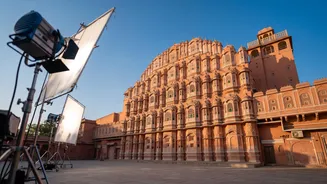
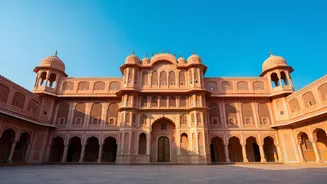
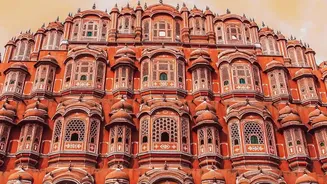
In stark contrast to the urban intensity of Bangkok, the filmmakers turned to the vast and arid landscapes of Rajasthan for the Indian portion of the shoot. Key locations included Jaipur and the Sambhar region, known for its expansive salt flats and stark, dry surroundings. This environment offers a completely different visual palette, trading towering buildings and crowded streets for wide-open spaces and a sense of isolation. This setting provides a powerful backdrop for dramatic moments, suggesting a place for introspection, recovery, or perhaps a different kind of danger. While the original film was set entirely abroad, grounding a part of the sequel in India with such distinctive scenery helps differentiate the new film visually and thematically. The contrast between Rajasthan's rugged, almost spiritual terrain and the man-made chaos of Southeast Asian megacities gives Shivam's journey a newfound depth.
Kuala Lumpur's Modern Metropolis
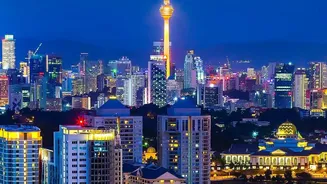
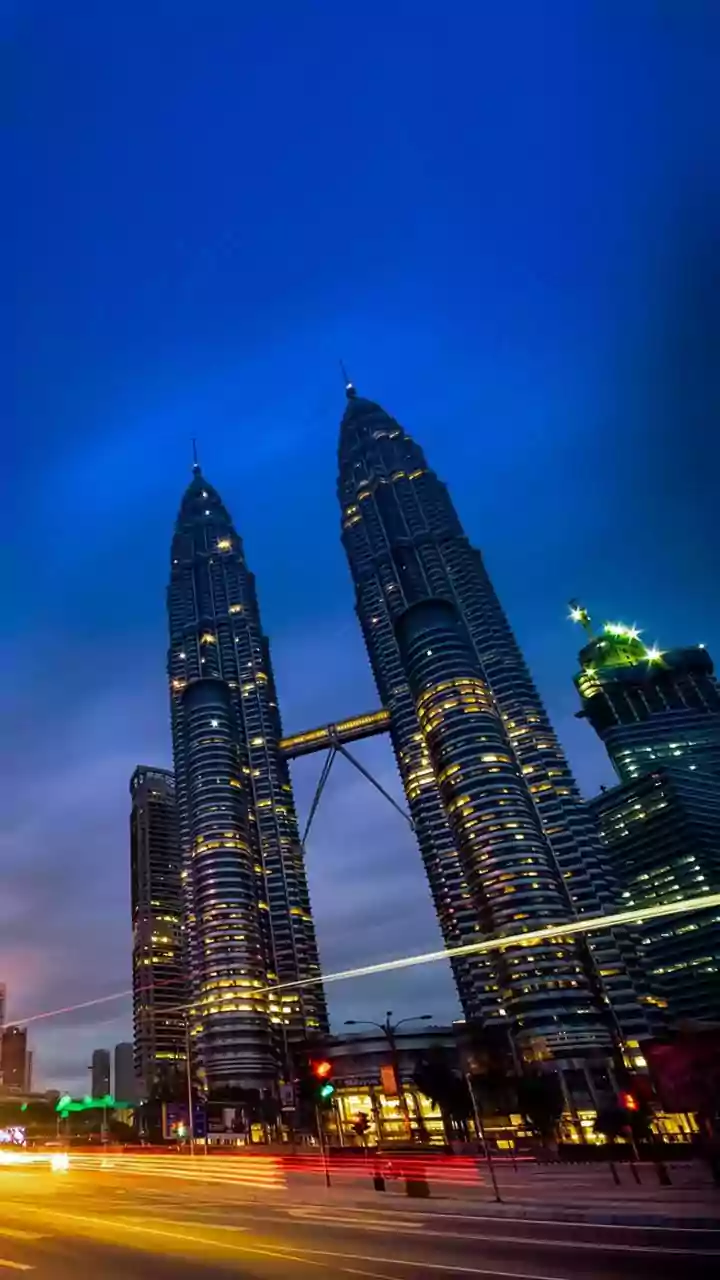
The third major backdrop for the film is Kuala Lumpur, Malaysia, which introduces yet another layer to the movie’s visual identity. The production reportedly moved to the Malaysian capital for its later shooting schedules. Filming took place around modern, commercially vibrant areas like the Bukit Bintang district and the iconic Pavilion Kuala Lumpur shopping centre. These locations, with their sleek high-rises, bustling commercial streets, and lively, contemporary feel, offer a world away from both the ancient character of Rajasthan and the specific street-level grit of Bangkok. This choice suggests the film's conflict may extend into more polished, corporate, or international arenas. Using Kuala Lumpur's dynamic and modern architecture allows the filmmakers to add another international dimension to the story, showcasing the global scale of Shivam's new mission.
A Canvas of Contrasting Worlds
The decision to shoot Awarapan 2 across these three distinct environments was a deliberate creative choice that has paid off. It's more than just a travelogue of scenic spots; it’s a storytelling tool. The visual journey from the desolate beauty of Rajasthan to the frenetic energy of Bangkok and the polished modernity of Kuala Lumpur mirrors the complexity of the narrative and the evolution of its hero. After nearly 19 years, Shivam Pandit is a different man—scarred but resolute—and the world he inhabits needed to reflect that. Director Nitin Kakkar and producer Vishesh Bhatt have used these contrasting backdrops to build a film that feels both nostalgic and fresh, honouring the cult legacy of the original while expanding its world on a truly international scale. The result is a richer, more varied cinematic experience that helps justify the long wait for fans.