






A Floral Spectacle at 10,600 Feet
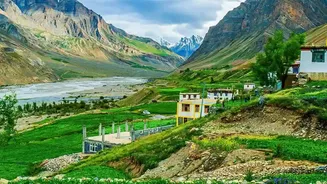
In a region renowned for its rugged moonscapes and ancient monasteries, a different kind of marvel is taking root. Ladakh is now home to what are being called the world's highest-altitude twin flower fields, located at Choglamsar and Stakna in the Leh
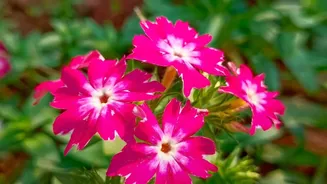
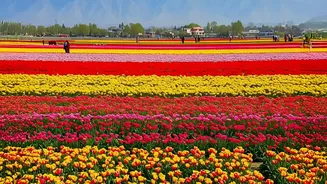
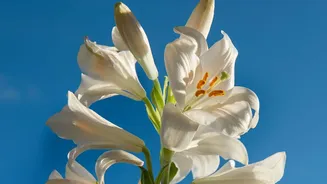
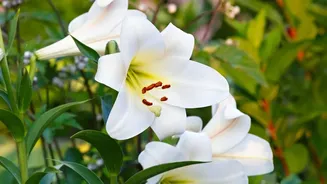
district. These are not small patches of green but sprawling 40-acre gardens bursting with over 2.5 million flowers. The main attraction is the staggering 24 lakh (2.4 million) liliums, complemented by one lakh (100,000) gladiolus, creating a breathtaking canvas of colour against the Himalayan backdrop. This ambitious project transforms the high-altitude desert into a vibrant floral paradise, offering a completely new visual experience for locals and tourists alike.
The Vision for a Blooming Ladakh
This large-scale floriculture initiative was inaugurated in September 2026 by Ladakh's Lieutenant Governor, Vinai Kumar Saxena. The project is more than just a beautification drive; it's a strategic move to diversify the region's agriculture and economy. The administration's vision is to position Ladakh as a hub for high-altitude floriculture, leveraging its unique climate, which is surprisingly conducive to growing high-value flowers like liliums and tulips. The Choglamsar field, developed in a record time of two months, will also serve as a demonstration and model centre for scientific floriculture, aiming to train farmers and self-help groups in modern cultivation techniques.
More Than Just a Pretty View
The economic implications of this project are significant. The introduction of commercial floriculture is intended to provide a new, sustainable source of income for Ladakh's farming community. Flowers like liliums command high prices in national and international markets, and by cultivating them locally, the administration hopes to empower farmers, cooperatives, and particularly women's self-help groups. In its initial phase, the Agriculture Department is managing the cultivation, with plans to transfer the fields to local cooperatives once the flowers bloom. This model aims to create a self-sustaining ecosystem that boosts the rural economy and creates new entrepreneurial opportunities in post-harvest management and marketing.
A New Gem on the Tourist Trail
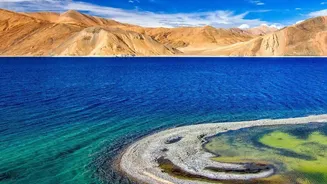
While Ladakh has always been a magnet for adventure seekers and spiritual travelers, the twin flower fields add a new dimension to its tourism portfolio. Located at Choglamsar and Stakna, the gardens are poised to become major recreational destinations. Opened to the public in mid-September 2026, they offer a serene and picturesque experience, complementing existing attractions like Pangong Lake, Nubra Valley, and the region's many monasteries. With a nominal entry fee, the gardens are accessible to everyone, providing a unique opportunity to witness this man-made wonder. The staggered planting schedule, with blooms appearing in Choglamsar from September and in Stakna towards the end of October, ensures a longer flowering season for visitors to enjoy.
Sowing the Seeds for the Future
The success of the lilium and gladiolus fields has already inspired further agricultural experiments. The Ladakh administration recently launched a pilot project for saffron cultivation in a restored barren patch of land in Leh, building on the confidence gained from its floriculture ventures. This demonstrates a broader strategy to transform degraded lands into productive assets and diversify the agricultural base beyond traditional options. By proving that high-value crops can thrive in this cold desert, Ladakh is not just creating beautiful gardens; it is cultivating a more resilient and prosperous future for its people, showing how environmental challenges can be turned into economic strengths.