


A Celestial Photobomb
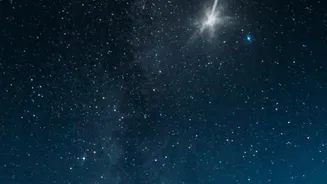
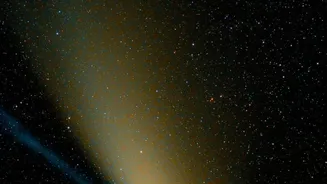
On August 3, 2026, NASA’s Astronomy Picture of the Day featured a stunning image captured by an observatory in Nevada. It shows a brilliant meteor streaking across the sky, coincidentally photobombing the distant Lacerta Nebula. But this is more than
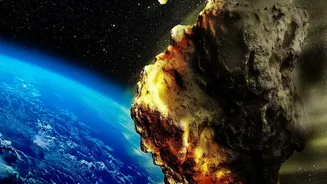
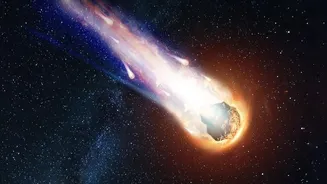
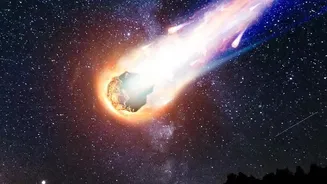
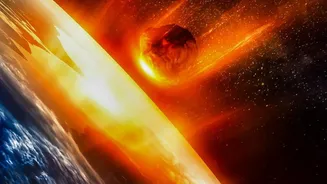
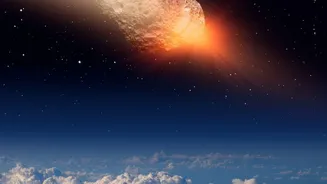
just a lucky shot. The photograph perfectly captures the life and death of a meteoroid—a small piece of rock or metal from space—as it becomes a meteor in our atmosphere. It provides a visual guide to the intense processes that transform a tiny, cold rock into a spectacular fiery display. The image serves as a perfect case study for the three key events that happen in just a few seconds: intense heating, mineral vaporisation, and the beautiful display of colours.
Checklist Item 1: The Myth of Friction
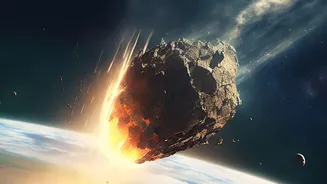
The first thing to understand is what generates the incredible heat. It’s a common belief that meteors burn up because of friction with the air, but the reality is more dramatic. The real culprit is a phenomenon called ram pressure. Meteoroids enter Earth’s atmosphere at hypersonic speeds, often traveling faster than 11 kilometres per second. At this velocity, the air in front of the meteoroid can't get out of the way fast enough. It gets compressed almost instantaneously, which causes its temperature to skyrocket to over 1,600 degrees Celsius. This pocket of superheated, compressed air is what heats the meteoroid to its glowing point, not friction. It’s this immense pressure and heat that begins the process of disintegration.
Checklist Item 2: From Solid Rock to Vapour
Faced with this extreme heat, the solid material of the meteoroid doesn’t just melt—it vaporises, turning directly from a solid into a gas in a process called ablation. Most meteoroids are composed of common solar system minerals like olivine, pyroxene, and iron-nickel alloys. Recent studies have even shown how specific minerals, like iron sulfide, vaporise under these conditions, leaving the meteoroid porous and contributing to its breakup. Essentially, the meteoroid is ripped apart by its own speed, as the superheated air forces its way into tiny cracks and tears the object apart from the inside out. This vaporised material forms a trail of glowing gas and dust in the meteor’s wake.
Checklist Item 3: A Cosmic Colour Palette
The final item on the checklist is the most visually stunning: the colour. The vibrant hues of a meteor are a direct result of its chemical composition. As the minerals vaporise, the elements within them are energised and emit light of specific colours, much like a celestial firework. The colour is a fingerprint of the meteoroid's origin. A flash of orange-yellow indicates the presence of sodium, while a yellow or gold glow points to iron. Blue-green hues are created by magnesium, and green is often a sign of nickel. Even the atmosphere plays a part, with the heating of surrounding nitrogen and oxygen sometimes contributing a reddish glow. The variety of colours in a single meteor streak can tell scientists about its layered composition as different minerals vaporise at different moments.