




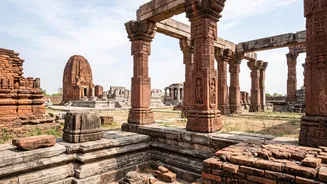
A City Rediscovered
For centuries, Sirpur was lost to the world, swallowed by the jungle. Known in ancient texts as Sripura or 'the city of wealth', it was the capital of the Dakshina Kosala kingdom under the Panduvanshi and Somavamshi kings from the 5th to the 12th century.
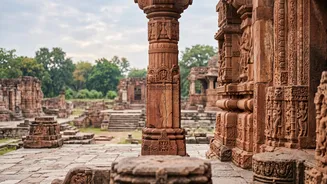
While first identified by British archaeologist Alexander Cunningham in 1882, large-scale excavations only began in the 1950s and gained momentum after 2000. What archaeologists unearthed was staggering: a sophisticated urban centre complete with palaces, a sprawling marketplace, residential quarters, and an intricate system of temples and monasteries. The discoveries revealed a city that was not just a political capital but a vibrant commercial and spiritual hub.
A Harmony of Faiths
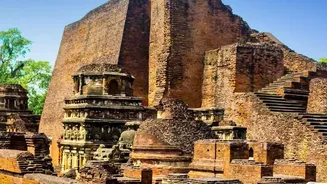
Perhaps Sirpur's most compelling story is its remarkable religious syncretism. It is one of the few sites in India where Hindu, Buddhist, and Jain monuments were built and flourished side-by-side within a single, unified settlement. Excavations have revealed 22 Shiva temples, five Vishnu temples, 10 Buddhist viharas (monasteries), and three Jain viharas. This religious harmony was actively fostered by its rulers. King Mahashivgupta Balarjun, a devout Shaivite, is documented to have provided generous patronage and grants to Buddhist monasteries in the 7th century. The famous Chinese traveller Xuanzang, who visited Sirpur around 639 CE, wrote of the king's benevolence and noted the presence of about 10,000 Mahayana Buddhist monks living in over 100 monasteries.
Architectural Marvels in Brick and Stone
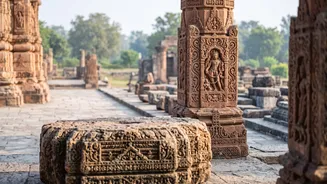
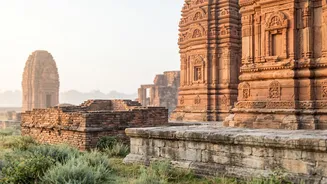
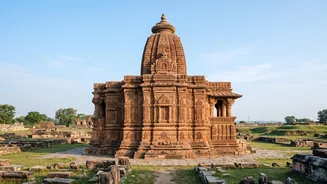
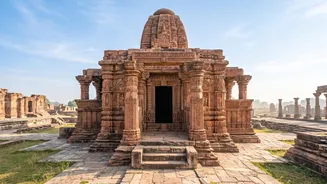
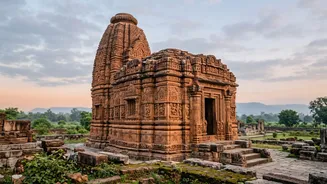
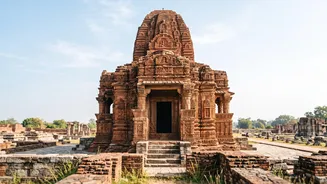
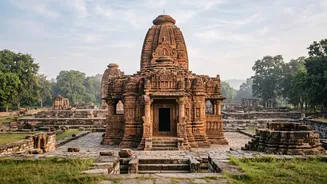
Sirpur's architectural legacy is both unique and breathtaking. Its most famous monument is the Lakshmana Temple, an east-facing temple dedicated to Vishnu that dates back to the 7th century. It is considered one of India's finest and best-preserved examples of a brick temple, standing on a massive stone platform with intricate carvings. Another significant structure is the Surang Tila, a dramatic temple complex sitting on a high terrace, which shows evidence of ancient seismic activity. Beyond the temples, excavations have uncovered monolithic statues of Buddha and Mahavira, ornate monastery doorways, and even a 1,200-year-old underground granary market and a 'snaan kund' or bathing tank. The artists of Sirpur were also masters of bronze work, with sculptures from the site considered among the finest of their era.
The Crucial Path to Global Recognition
Inclusion on UNESCO's tentative list is the first critical step towards earning a permanent World Heritage Site designation. For Sirpur, this recognition would be transformative. A UNESCO tag brings global attention, which can significantly boost tourism and lead to better funding for conservation and research. It provides a framework for protecting the site against threats like environmental decay, neglect, and uncontrolled development. The government is preparing a detailed nomination dossier that will highlight Sirpur's outstanding universal value. The case rests on its extensive archaeological landscape and its powerful story of religious pluralism and cultural exchange.