




The Nutritional Power of Seeds
Seeds are nutritional powerhouses, containing everything a plant needs to grow. When we eat them, we get the benefit of that concentrated goodness. The three main advantages highlighted are fibre, protein, and unsaturated fats. Fibre aids digestion and promotes
a feeling of fullness, which can help with weight management. Protein is essential for building and repairing tissues, making enzymes and hormones, and providing energy. Unsaturated fats, including omega-3 and omega-6 fatty acids, are crucial for brain function and heart health. A mix is better than a single type of seed because each one offers a unique profile of vitamins and minerals, ensuring you get a broader spectrum of nutrients.
Meet the Key Players
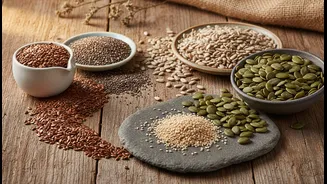
While many seeds are beneficial, a few stand out for their exceptional nutritional profiles and are easy to find in India. Flax seeds (alsi) are a top plant-based source of omega-3 fatty acids, particularly alpha-linolenic acid (ALA), which is great for heart health. Chia seeds are champions of fibre and can absorb many times their weight in water, helping you stay hydrated and full. Pumpkin seeds (pepitas) are packed with magnesium and zinc, minerals vital for everything from blood pressure regulation to immune function. Sunflower seeds are an excellent source of Vitamin E, a powerful antioxidant that protects cells from damage. Sesame seeds (til), a staple in Indian cooking, are rich in calcium, iron, and copper.
Maximising Fibre for Gut Health
Dietary fibre is crucial for a healthy digestive system, and seeds are an excellent source. The fibre in seeds is typically a mix of soluble and insoluble types. Soluble fibre, found in abundance in flax and chia seeds, dissolves in water to form a gel-like substance. This slows digestion, which helps regulate blood sugar levels and can lower cholesterol. Insoluble fibre adds bulk to stool, promoting regular bowel movements and preventing constipation. Getting enough fibre supports a healthy gut microbiome, which is linked to overall health, from immunity to mood. A daily intake of a mixed seed blend can significantly contribute to your fibre goals.
A Plant-Based Protein Boost
For those on vegetarian or plant-based diets, getting enough protein can sometimes be a challenge. Seeds offer a fantastic solution. Hemp seeds, for example, are considered a complete protein, meaning they contain all nine essential amino acids. Pumpkin and sunflower seeds are also high in protein, contributing to muscle maintenance and repair. Adding a tablespoon or two of a seed mix to your meals can easily increase your protein intake, helping you feel more satiated after eating and providing sustained energy throughout the day, without relying on animal products.
Understanding Unsaturated Fats
Fats are often misunderstood, but the unsaturated fats found in seeds are incredibly beneficial. These are the “good fats” your body needs to function correctly. Flax, chia, and hemp seeds are particularly high in omega-3 fatty acids, which have anti-inflammatory properties and support heart and brain health. Sunflower and pumpkin seeds provide omega-6 fatty acids. These fats can help reduce levels of bad LDL cholesterol, lower blood pressure, and decrease the risk of heart disease. By incorporating a variety of seeds, you ensure a healthy balance of these essential fatty acids.
How to Create and Store Your Mix
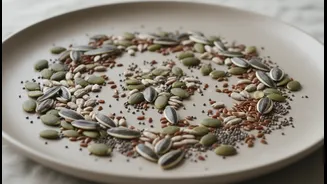
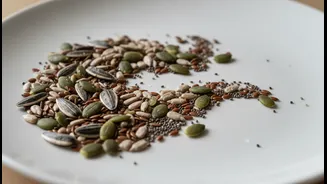
Making your own seed mix is simple and more cost-effective than buying pre-made versions. A good starting ratio is equal parts of four or five seeds, such as flax, chia, pumpkin, and sunflower seeds. It is highly recommended to use ground flax seeds, as the body cannot easily break down the whole seeds to access the nutrients. You can buy pre-ground flax or grind whole seeds in a coffee grinder. Store your mix in an airtight container in the refrigerator. The healthy oils in seeds can go rancid when exposed to heat, light, and air, and refrigeration keeps them fresh for longer.
Simple Ways to Use Your Seed Mix
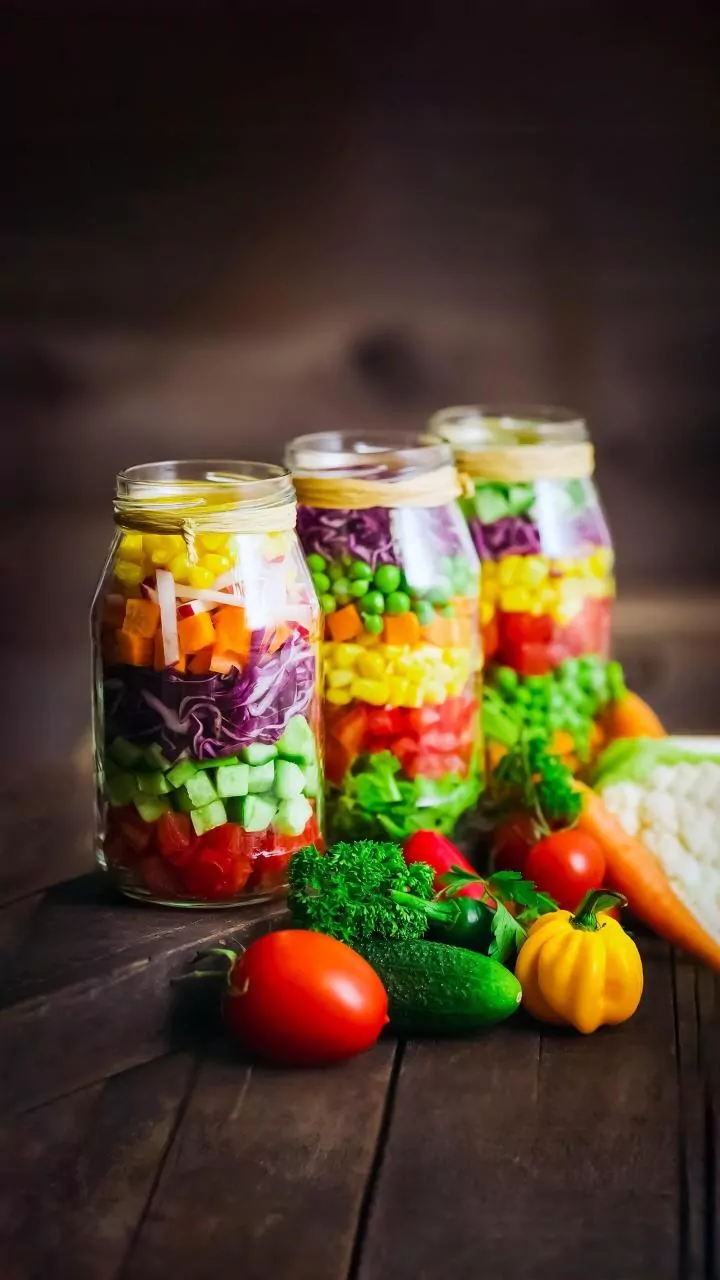
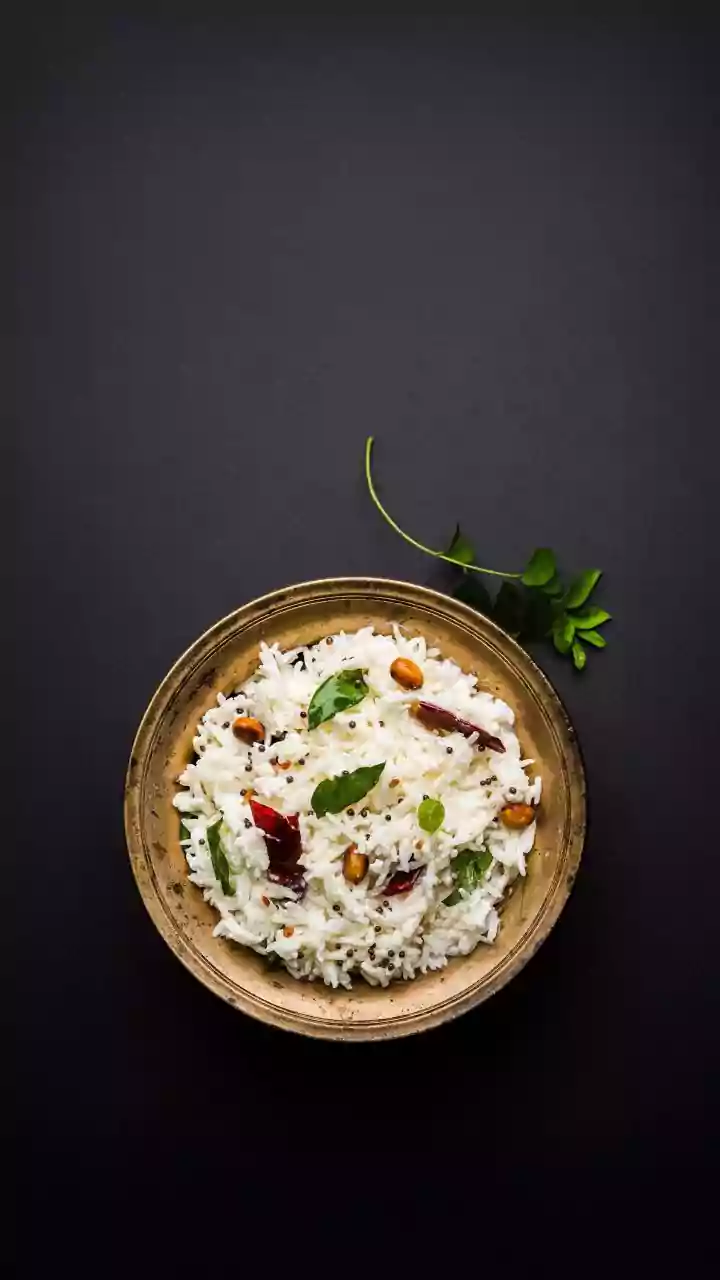
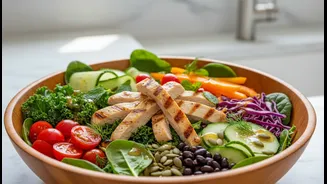
The versatility of a seed mix is one of its greatest strengths. There's no need for complicated recipes. Simply sprinkle a tablespoon or two over your morning oatmeal, dahi, or smoothie bowl. Add it to salads for a nutritional crunch, or stir it into soups and gravies as a natural thickener. You can also mix it into the dough for roti or bread, or blend it into chutneys and dips. Chia seeds, when soaked, can be used to make a simple pudding or as an egg substitute in baking. The goal is to make it a consistent habit, and its mild flavour allows it to be added to almost any dish without overpowering it.