
A Match Made in Flavour Heaven
Avocado and paneer are not a traditional pairing in Indian kitchens, but their combination is a stroke of genius for modern vegetarian cooking. Ripe avocado brings a buttery texture and a rich, subtle flavour that is unique among fruits. When mashed,
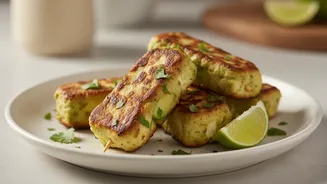
it provides a creamy base that few other ingredients can replicate. Paneer, or Indian cottage cheese, offers a mild, milky taste and a soft, crumbly structure. Together, they promise a kebab that is exceptionally tender and flavourful. The idea is to create a patty that holds the creaminess of avocado and the textural bite of paneer, seasoned with aromatic Indian spices. This fusion is perfect for appetisers, snacks, or even as the star of a wrap or roll.
The Binding Challenge: Why the Mixture Softens
The very quality that makes avocado so desirable—its high healthy fat and moisture content—is also what presents the main challenge. When you mash avocado and mix it with crumbled paneer, you create a very soft, wet mixture. Without a proper binding agent, these kebabs will be too delicate to shape. They might fall apart when you try to handle them or disintegrate into a mush in the hot pan. The goal of a good kebab is a soft interior with a stable, beautifully browned exterior. Achieving this with such a soft primary ingredient requires a specific technique to absorb excess moisture and provide the necessary structure for the kebabs to hold their shape during cooking.
Choosing Your Binding Hero
The secret to perfect avocado paneer kebabs lies in choosing the right binding agent. You need something that can absorb moisture without making the kebab dense or dry. Luckily, most Indian kitchens are already stocked with excellent options. Roasted gram flour (besan) is a fantastic choice; roasting it first removes the raw taste and adds a nutty aroma. Breadcrumbs are another classic binder that works wonderfully to soak up wetness and help form a crispy crust. For an even softer texture, a small amount of boiled and mashed potato can be added to the mix. Some recipes also use ingredients like powdered oats or even a bit of cornstarch. The key is to add the binder gradually, mixing until the kebab mixture is no longer sticky and can be easily shaped into patties with your hands.
A Step-by-Step Guide to the Perfect Kebab
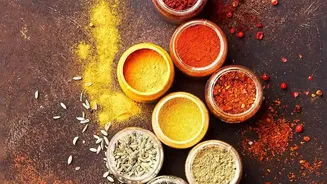
To begin, take two ripe avocados, peel and pit them, and mash the flesh in a large bowl. To this, add about 200 grams of crumbled or grated paneer. Now, introduce your flavourings: finely chopped onions, green chillies, fresh coriander, ginger-garlic paste, and a blend of spices like turmeric, red chilli powder, and garam masala. Mix everything gently. Next comes the crucial step. Start adding your chosen binder—let’s say, roasted besan or breadcrumbs—one tablespoon at a time. Mix it in and feel the texture. Keep adding until the mixture comes together and you can form a small, non-sticky ball. Let this mixture rest in the refrigerator for at least 30 minutes. This helps the flavours meld and further firms up the kebabs, making them easier to cook.
Pan-Cooking for a Golden, Crisp Finish
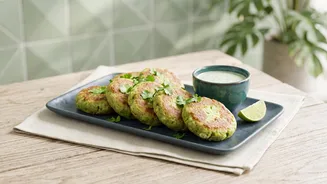
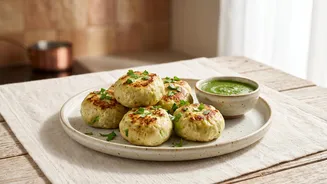
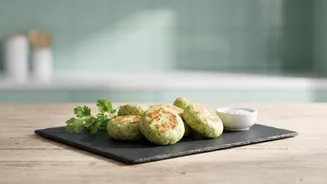
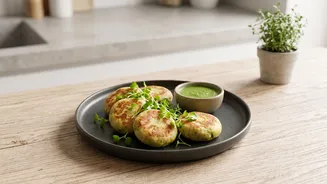
Once your mixture has chilled, take it out and shape it into small, flat patties or round kebabs. Heat a non-stick pan over medium heat and add a bit of oil or ghee. Gently place the kebabs in the pan, ensuring you don’t overcrowd it. Cook them for about 3-4 minutes on each side until they are golden brown and have a slight crust. The medium heat is important; if the pan is too hot, the outside will burn before the inside cooks, and if it's too cool, the kebabs might absorb too much oil and become greasy. Handle them gently with a spatula when flipping to prevent them from breaking. Once cooked, place them on a plate lined with paper towels to absorb any excess oil.
Serving and Variations
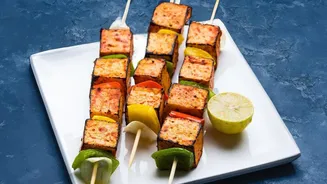
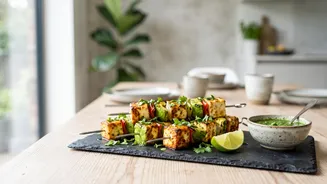
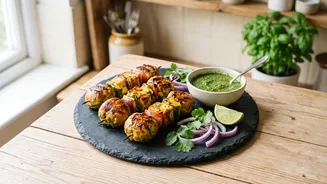
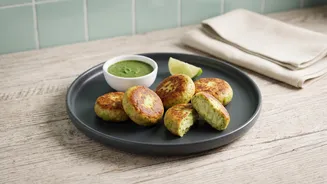
These creamy avocado and paneer kebabs are best served hot. They pair beautifully with a bright, tangy mint-coriander chutney or a simple yogurt dip, which cuts through the richness of the avocado. You can serve them as an elegant party appetiser or as an evening snack with tea. For a fun twist, stuff them inside a pita bread or use them as a filling for a kathi roll with sliced onions and a squeeze of lemon juice. Feel free to experiment with the spicing by adding chaat masala for tanginess or crushed kasoori methi (dried fenugreek leaves) for a deeper aroma.