



Understanding 'Double Carbing'
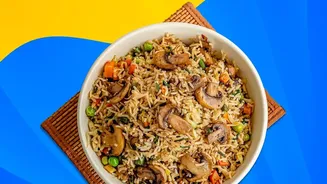
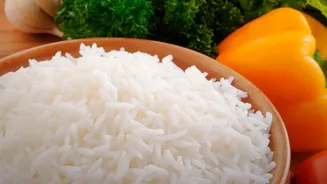
The term 'double carbing' isn't a formal medical definition but a colloquial way of describing a meal that features two or more primary sources of carbohydrates. In the Indian context, this is incredibly common. Think of a meal with both rice and roti,
or a potato-based sabzi served alongside chapati. Even dal and legumes, while excellent sources of protein, also contain a significant amount of carbohydrates. The concern arises not from the foods themselves, but from the cumulative effect of having a plate dominated by carbohydrates, which can lead to an unbalanced intake of macronutrients.
Why Portion Size is the Real Issue
Combining carbohydrate sources like rice and roti isn't inherently bad, but it can easily lead to overconsumption. A meal heavy on carbs can cause a rapid spike in blood sugar levels, followed by a crash that leaves you feeling hungry again soon after. Over time, a diet that consistently overloads on carbohydrates without enough protein, fibre, and healthy fats can contribute to weight gain and increase the risk of metabolic issues. The traditional Indian thali was designed for balance, with small bowls (katoris) naturally controlling portions. However, modern habits, like serving from large bowls at the table, often lead to mindless refills and larger-than-intended servings.
The Adjust, Don't Abandon Strategy
The key to enjoying your traditional meals healthily is to adjust portions, not abandon beloved staples. Instead of eliminating rice or roti, think about the total amount of carbohydrates on your plate. If you want both, simply reduce the quantity of each. For example, have one small roti and a few tablespoons of rice, rather than two full rotis and a large scoop of rice. This 'and/or' approach allows you to enjoy the variety and satisfaction of a complete Indian meal without overloading on a single macronutrient. The goal is a balanced plate, not a restrictive one.
Building a Balanced Indian Plate
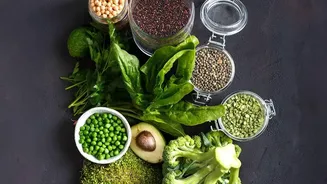
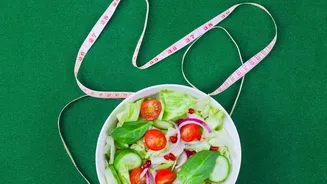
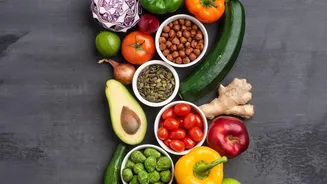
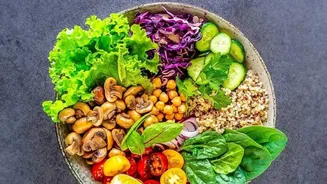
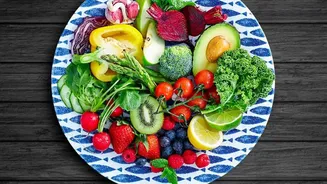
A simple visual guide can make portion control intuitive. Aim to fill half of your plate with non-starchy vegetables, like leafy greens, gourds, or beans. This provides essential fibre, vitamins, and minerals that help you feel full. One-quarter of your plate should be dedicated to a protein source. This could be dal, paneer, eggs, chicken, or fish. The final quarter is for your carbohydrates. This space can be filled with a small bowl of rice, one or two rotis, or a mix of both in smaller quantities. A side of curd or a glass of buttermilk can add probiotics and extra protein.
Smart Swaps for Better Nutrition
Beyond portioning, small swaps can significantly boost the nutritional value of your meals. Opt for whole grains whenever possible, such as whole wheat roti, brown rice, or millets like jowar and bajra. These are digested more slowly than their refined counterparts, providing sustained energy and more fibre. If your meal includes a starchy vegetable like potatoes or sweet potatoes, consider that part of your carbohydrate portion and reduce your rice or roti accordingly. Bulking out your sabzi with extra vegetables is another great way to make your meal more satisfying without adding excess carbs. Remember, the goal is to make these healthy adjustments a natural part of your routine, creating sustainable habits for long-term wellness.