






A Conservation Success Story
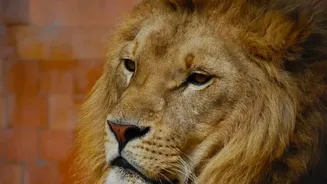
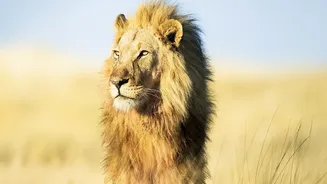
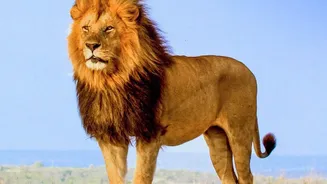
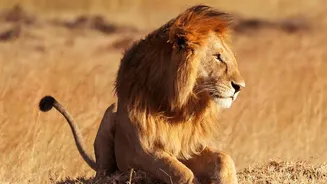
The roar of the Asiatic lion, once fading into silence, is now echoing across new landscapes in Gujarat. India's lion population has seen a remarkable recovery, growing from a perilous low to 891 individuals as of the 2025 census. This conservation success,
however, brought a new challenge: Gir National Park, the lion's only natural habitat, was becoming overcrowded. With the population spilling beyond the protected area, the need for a second secure home became urgent to safeguard the species from threats like disease outbreaks and habitat pressures. The long-standing goal was to de-risk the future of this iconic species by ensuring all wasn't confined to a single geographical basket.
The Return to Barda
Located about 100 kilometres from Gir, the Barda Wildlife Sanctuary has emerged as the answer. Historically, lions roamed these rugged hills, but the last official record of their presence was in 1879. The recolonisation began organically in January 2023 when a sub-adult male lion naturally dispersed from Gir and made its way to Barda, staying in the area. This pioneering journey was a clear sign that the ancient corridor between the two forests was still viable. Recognising the opportunity, the Gujarat Forest Department then augmented this natural migration by translocating five lionesses from Gir to help establish a new breeding population.
What Makes Barda a Suitable Home?
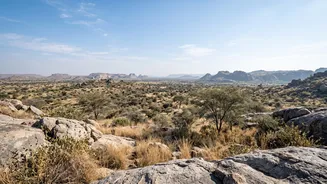
The Barda Wildlife Sanctuary, covering over 192 square kilometres across the Porbandar and Devbhumi Dwarka districts, was declared a protected area in 1979. Recent scientific studies, including one published in the journal 'PLOS One', have confirmed that the sanctuary's habitat, prey resources, and ecological conditions are suitable for supporting a long-term lion population. The sanctuary's mixed forests and grasslands provide an ideal environment. To ensure the lions thrive, the forest department has been actively working to improve the habitat and increase the prey base, translocating hundreds of spotted deer (chital) and sambar to the sanctuary. Dietary analysis shows the lions are already relying heavily on wild prey, particularly wild pigs.
A Milestone for Project Lion
This development is a significant achievement for 'Project Lion', a long-term initiative launched by the Indian government to protect and conserve the Asiatic lion. A key objective of the project has been to establish a second, independent population to mitigate risks. By tracking the movements of radio-collared lions, researchers have confirmed that the animals are successfully establishing home ranges and adapting to their new environment. As of late 2026, the population in Barda has reportedly grown, with several cubs being born in the sanctuary, a clear indicator of successful adaptation. The establishment of Barda as a satellite habitat is seen as a crucial buffer that strengthens the overall conservation status of the species.
The Path Forward
While the initial signs are overwhelmingly positive, the long-term success of Barda as a second home for lions requires continued effort. Proactive management focusing on habitat restoration, prey-base enhancement, and mitigating potential human-lion conflict will be essential. The sanctuary is home to ethnic communities like the Maldharis, and ensuring peaceful coexistence is a priority. Ecotourism initiatives are also being developed to create livelihood opportunities for local communities, giving them a stake in the conservation of their new, majestic neighbours. The success in Barda is not just about saving a species; it's about creating a holistic model where wildlife and human communities can thrive together.